
Grow light setup for greenhouse propagation involves positioning LED or fluorescent lights 12-24 inches above seedlings, providing 14-16 hours of daily illumination. This artificial lighting system enhances photosynthesis, promotes faster germination, and ensures consistent plant development regardless of seasonal conditions. Setting up effective grow lights significantly improves seedling survival rates and produces stronger, healthier plants for successful greenhouse propagation.
What Are Grow Lights and How They Work for Propagation
Grow lights are artificial lighting systems that replicate natural sunlight wavelengths, enabling plants to perform photosynthesis in controlled environments. These specialized lights convert electrical energy into specific light spectrums that plants use for growth, particularly beneficial during germination and early seedling stages. The photosynthesis process requires light wavelengths between 400-700 nanometers, which quality grow lights provide consistently throughout the day.
For greenhouse propagation, grow lights work by delivering targeted light energy directly to seedling trays and propagation benches. Unlike natural sunlight, which varies with weather and seasons, grow lights provide reliable illumination that growers can control precisely. Most seedlings thrive with 14-16 hours of daily light exposure, something easily achieved with timer-controlled grow light systems. This consistency helps seedlings establish strong root systems and develop robust foliage before transplanting.
Primary Benefits of Grow Lights for Seedling Development
The benefits of grow lights in greenhouse propagation include accelerated germination rates, improved seedling vigor, and extended growing seasons. LED grow lights provide superior energy efficiency while delivering full-spectrum illumination that supports all growth phases. Seedlings grown under quality grow lights typically germinate faster and develop stronger stems compared to those relying solely on natural light.
Additional advantages include reduced disease pressure, as consistent lighting helps maintain optimal plant health, and better transplant success rates. Growers can also start seeds earlier in the season, extending their production window and maximizing greenhouse space utilization. These benefits make grow lights essential equipment for serious propagation operations.
Types of Grow Lights: LED vs Fluorescent vs HID Options
The three main types of grow lights for greenhouse propagation are LED (Light Emitting Diode), fluorescent, and HID (High Intensity Discharge) systems. LED grow lights offer the highest energy efficiency, lasting over 50,000 hours while consuming up to 80% less electricity than traditional options. They produce minimal heat, allowing closer positioning to plants without burning delicate seedlings.
Fluorescent grow lights, including T5 and T8 models, provide excellent value for beginners and smaller operations. These lights typically last 10,000-15,000 hours and generate moderate heat levels suitable for seed starting. T5 fluorescent fixtures work particularly well for shallow propagation trays, delivering even light distribution across multiple seedling containers.
HID lights, encompassing metal halide and high-pressure sodium varieties, deliver intense illumination ideal for larger greenhouse spaces. However, they consume significantly more energy and generate substantial heat, requiring additional cooling systems. Most propagation operations find LED or fluorescent options more practical for seedling production.
Cost Considerations for Different Grow Light Systems
Grow light costs typically range from $50-300 for basic residential setups, with commercial-grade systems reaching $500-2000 depending on coverage area and features. LED systems have higher upfront costs but offer long-term savings through reduced energy consumption and replacement needs. Detailed price analysis helps growers understand the total cost of ownership over time.
Fluorescent systems offer the lowest initial investment, typically costing $30-150 for basic propagation needs. However, bulb replacement costs accumulate over time, as fluorescent tubes need replacement every 1-2 years with regular use. HID systems fall between LED and fluorescent in initial cost but have high ongoing energy expenses.
Understanding Light Spectrum Requirements for Optimal Growth
Light spectrum refers to the specific wavelengths of light that plants use for photosynthesis and development, measured in nanometers (nm). Blue light wavelengths (400-500 nm) promote vegetative growth, helping seedlings develop strong leaves and compact growth habits. Red light wavelengths (600-700 nm) support flowering and root development, essential for establishing robust seedling foundations.
Most successful propagation setups use a blue-to-red light ratio of approximately 2:1 during the seedling stage, which balances foliage development with root establishment. Full spectrum LED grow lights provide both wavelengths in optimal proportions, eliminating guesswork in spectrum selection.
Green and yellow wavelengths (500-600 nm) contribute less to photosynthesis but help plants penetrate through leaf canopies as they mature. Far-red light (700-800 nm) influences stem elongation and flowering triggers, though excessive amounts can cause undesirable stretching in seedlings.
Limitations and Challenges of Grow Light Systems
Grow light limitations include initial setup costs, ongoing electricity expenses, and the need for proper positioning to avoid plant damage. Inadequate light intensity results in weak, spindly seedlings, while excessive intensity can cause leaf burn and stunted growth. Heat management becomes crucial with high-intensity systems, potentially requiring additional ventilation or cooling equipment.
Another limitation involves light penetration depth, as most grow lights effectively illuminate only the top 6-12 inches of plant canopy. This constraint requires careful planning for multi-level propagation systems. Additionally, some lower-quality LED systems may not provide true full-spectrum output, despite marketing claims.
Step-by-Step Grow Light Setup Process
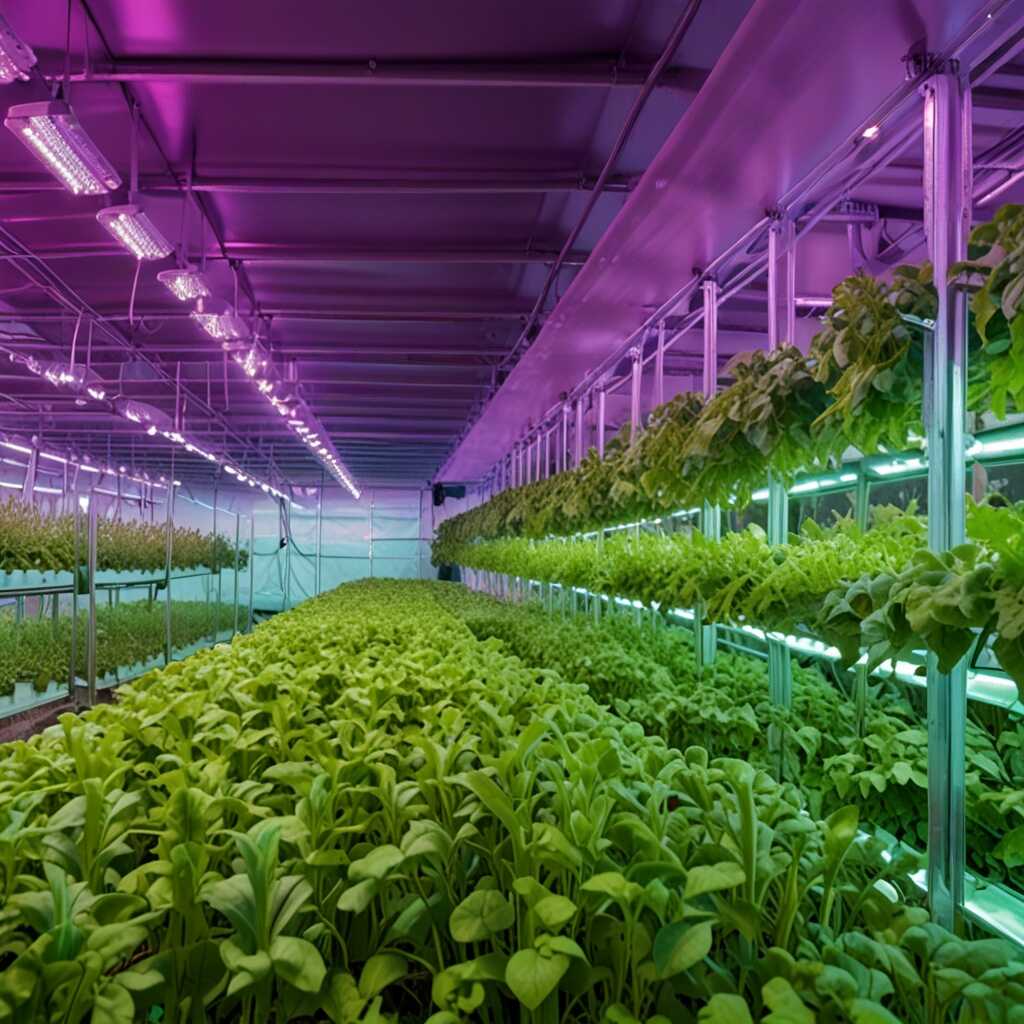
Setting up grow lights for greenhouse propagation follows a systematic process beginning with determining coverage area and light requirements. First, measure your propagation bench dimensions and calculate the total square footage needing illumination. Most seedlings require 20-40 watts of LED lighting per square foot, depending on plant types and growth goals.
Next, install mounting hardware at appropriate heights above your propagation benches. LED grow lights typically mount 12-18 inches above seedlings, while fluorescent fixtures position 6-12 inches away. Ensure electrical outlets can handle the power requirements and consider timer installation for automated lighting schedules.
Position lights to provide even coverage across all seedling containers, avoiding shadows or bright spots. Use a light meter to measure intensity at plant level, aiming for 200-400 PPFD (Photosynthetic Photon Flux Density) for most seedling varieties. Adjust height and spacing as needed to achieve uniform light distribution.
Proper Positioning and Height Guidelines
Proper grow light positioning depends on light type and plant growth stage, with distance measurements critical for seedling health. LED panels typically position 12-24 inches above seedlings, allowing adjustment as plants grow taller. This distance prevents heat stress while ensuring adequate light intensity reaches the plant canopy.
Fluorescent fixtures mount closer, usually 6-12 inches above seedlings, due to their lower heat output and light intensity. Monitor plant response to optimize positioning for maximum growth without leaf burn or stretching.
Essential Setup Specifications
- LED positioning: 12-24 inches above seedlings for optimal growth.
- Fluorescent positioning: 6-12 inches above plants to maximize efficiency.
- Daily lighting duration: 14-16 hours for most vegetable and herb seedlings.
- Light intensity target: 200-400 PPFD measured at plant canopy level.
- Coverage spacing: 24-36 inches between light fixtures for even distribution.
- Temperature monitoring: Maintain leaf surface temperature below 85°F.
- Timer settings: Automated on/off cycles prevent light stress and save energy.
Energy Efficiency and Operating Cost Analysis
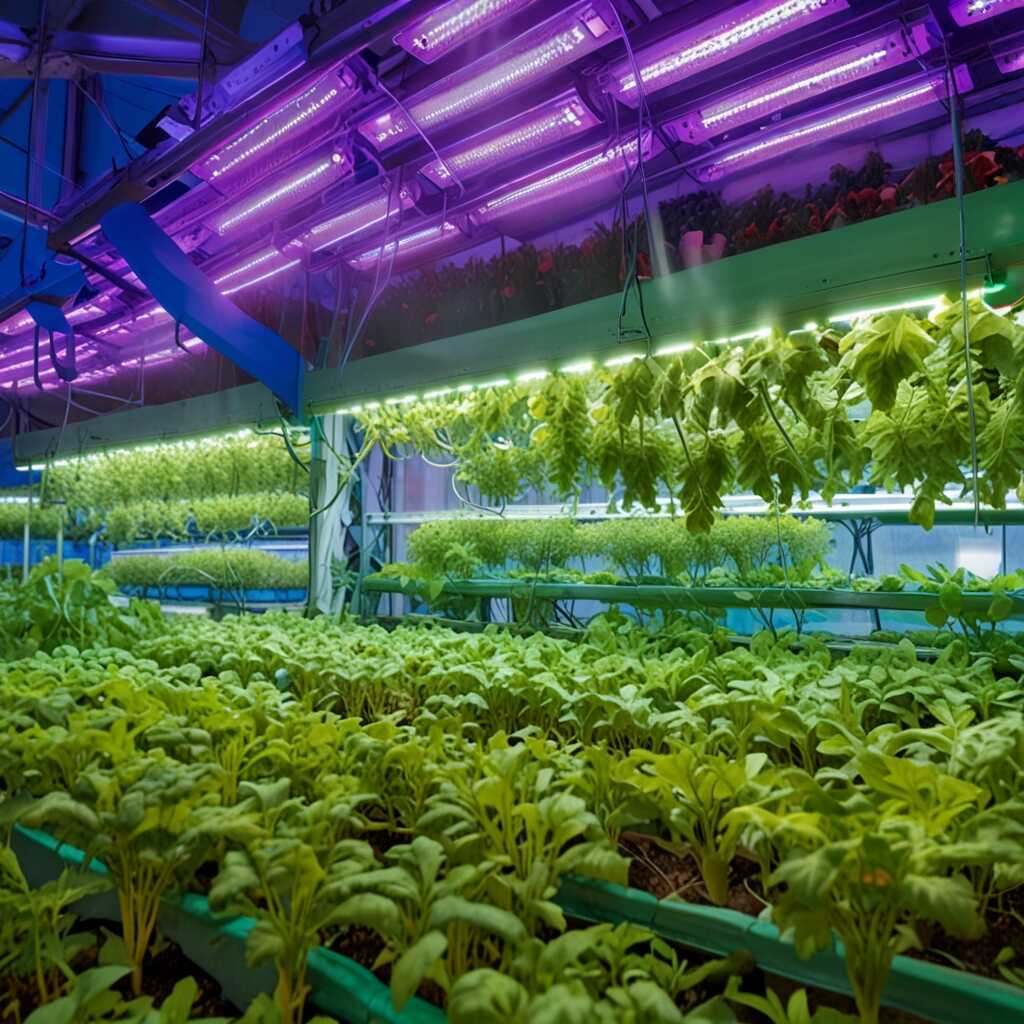
Energy-efficient grow lights significantly reduce operational costs while providing excellent plant growth results. LED grow lights consume 50-80% less electricity compared to traditional fluorescent or HID systems while producing superior light output. A typical 100-watt LED panel provides equivalent light to a 400-watt fluorescent setup.
Monthly operating costs for LED systems typically range from $15-45 depending on usage hours and local electricity rates. Fluorescent systems cost approximately $25-75 monthly for similar coverage areas, while HID systems can exceed $100 monthly due to high power consumption and cooling requirements. These cost differences accumulate significantly over multiple growing seasons.
Energy efficiency also relates to heat production, as wasted energy generates unwanted heat that may require additional cooling. LED systems convert approximately 50% of electricity into usable light, compared to 25% for fluorescent and 15% for HID systems. This efficiency translates to lower cooling costs and better temperature control in greenhouse environments.
Long-term Cost Benefits and ROI Calculations
LED grow lights typically pay for themselves within 2-3 years through reduced energy costs and longer lifespan compared to fluorescent alternatives. Quality LED systems last 8-10 years with normal use, while fluorescent bulbs require replacement every 1-2 years, adding ongoing maintenance costs.
Return on investment calculations should include energy savings, reduced replacement costs, and improved plant production. Higher-quality seedlings grown under optimal lighting conditions often command premium prices, further improving the economic benefits of efficient grow light systems.
Maintenance Requirements and Best Practices
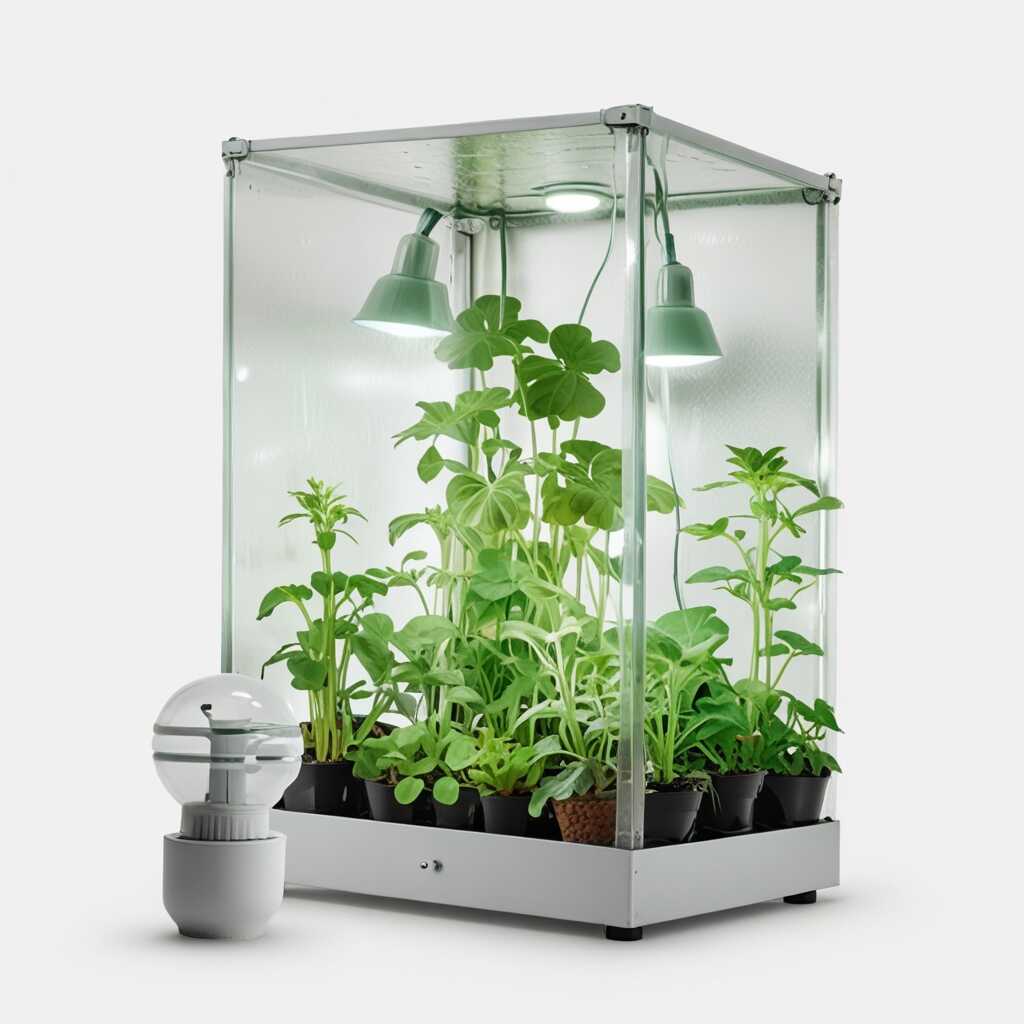
Regular grow light maintenance ensures optimal performance and extends equipment lifespan significantly. Monthly cleaning removes dust and debris that can reduce light output by up to 30%, using soft cloths and mild soap solutions to avoid scratching protective lenses. Establish a maintenance checklist to track cleaning schedules and performance monitoring tasks.
Monitor light intensity regularly using a quantum meter or smartphone light meter app, documenting any significant decreases that might indicate bulb degradation or fixture problems. LED systems typically maintain 90% of original output for the first 20,000 hours, while fluorescent tubes decline more rapidly and require replacement when output drops below 80% of rated capacity.
Electrical connections require periodic inspection for loose wires, corrosion, or overheating signs. Check timer settings seasonally to ensure proper lighting schedules, and verify that cooling fans (if present) operate correctly to prevent overheating damage.
Common Maintenance Issues and Solutions
Frequent maintenance issues include flickering lights, uneven illumination, and gradual light output decline over time. Flickering often indicates loose electrical connections or failing ballasts in fluorescent systems, requiring immediate attention to prevent equipment damage. Uneven illumination suggests improper positioning or partial fixture failure.
Premature LED degradation sometimes results from excessive heat exposure or poor-quality components, emphasizing the importance of purchasing reputable brands with solid warranties. Keep spare parts like ballasts and bulbs readily available to minimize downtime during critical propagation periods.
Common Mistakes and How to Avoid Them
The most common grow light mistakes include incorrect positioning, inadequate lighting duration, and using wrong spectrum types for specific growth stages. Positioning lights too close causes heat stress and leaf burn, while mounting too high results in insufficient light intensity and weak, stretchy seedlings. Using incorrect light spectrum significantly impacts plant development and overall health.
Another frequent error involves inconsistent lighting schedules, which stress plants and disrupt natural growth rhythms. Automated timers eliminate this problem by providing consistent daily light cycles. Some growers also underestimate power requirements, leading to inadequate electrical capacity and potential safety hazards.
Neglecting heat management represents a serious oversight, particularly with high-intensity lighting systems. Excessive heat not only damages plants but also reduces equipment lifespan and increases cooling costs. Monitor leaf surface temperatures regularly and adjust positioning or add ventilation as needed.
Troubleshooting Poor Seedling Performance
Poor seedling performance under grow lights often stems from light intensity problems, spectrum issues, or environmental factors. Weak, spindly growth typically indicates insufficient light intensity or wrong spectrum composition. Conversely, stunted growth with thick stems may suggest excessive light intensity or heat stress.
Yellowing leaves can result from nutrient deficiencies exacerbated by rapid growth under optimal lighting, or from light burn if fixtures position too close. Identify specific symptoms to determine whether adjustments to light intensity, spectrum, or positioning will resolve the issues.
Quality Indicators for Healthy Seedling Development
- Strong, thick stems indicate proper light intensity and spectrum balance.
- Compact growth habits show adequate blue light exposure for vegetative development.
- Vibrant green coloration demonstrates effective photosynthesis and nutrient uptake.
- Rapid, even germination rates across seedling trays confirm optimal growing conditions.
- Well-developed root systems support successful transplanting and continued growth.
- Consistent plant size within varieties indicates uniform light distribution.
- Disease resistance improves under proper lighting conditions and plant health.
Integration with Advanced Greenhouse Systems
Modern grow light systems integrate seamlessly with automated greenhouse controls, creating responsive growing environments that adjust to changing conditions. Smart controllers monitor temperature, humidity, and light levels, automatically adjusting grow light intensity and duration based on environmental data. This integration can reduce energy consumption by up to 30% while maintaining optimal growing conditions.
Climate control synchronization prevents conflicts between heating/cooling systems and grow light heat output. When grow lights generate excess heat, integrated systems can increase ventilation or reduce supplemental heating automatically. Conversely, during cooler periods, the system can utilize grow light heat contribution to maintain proper temperatures.
Irrigation system coordination ensures plants receive water during optimal light periods, maximizing nutrient uptake and photosynthesis efficiency. Some advanced systems adjust watering schedules based on grow light intensity and duration, preventing overwatering during low-light periods or drought stress during intense lighting phases.
Smart Technology Integration Benefits
Smart greenhouse technology integration offers remote monitoring capabilities, allowing growers to adjust lighting schedules and intensity from mobile devices. Data logging features track energy usage, light hours, and plant response over time, helping optimize growing protocols and identify efficiency improvements.
Automated alert systems notify growers of equipment failures, unusual energy consumption, or environmental conditions requiring attention. Performance analysis tools help evaluate different lighting strategies and their impact on plant quality and production costs, enabling data-driven decisions for future growing seasons.