
Supplemental lighting strategies are artificial lighting methods that maintain consistent photosynthesis during cloudy greenhouse conditions. These strategies include LED grow lights, fluorescent tubes, and strategic light placement systems. Most effective approaches combine multiple light sources with reflective surfaces and automated timers. Common strategies cost between $200-800 for small greenhouses, while larger operations typically invest $2,000-5,000 for comprehensive systems.
Why Supplemental Lighting is Essential During Cloudy Weather
Supplemental lighting ensures continuous photosynthesis when natural sunlight drops below optimal levels. Cloudy conditions can reduce available light by 70-90%, severely limiting plant energy production. Without adequate light, plants experience stunted growth, poor flowering, and weakened immune systems. Greenhouse crops particularly suffer during extended overcast periods, often showing yellowing leaves and reduced yields. Implementing supplemental lighting maintains consistent growing conditions regardless of weather patterns.
How Cloudy Days Impact Plant Growth Cycles
Cloudy weather disrupts normal plant growth cycles by interrupting the daily light requirements plants depend on. Most greenhouse plants need 12-16 hours of quality light daily for optimal development. During overcast conditions, natural light intensity often falls below 200 micromoles per square meter per second, well below the 400-800 range most plants require. This deficiency triggers stress responses including slower growth rates, delayed flowering, and increased susceptibility to diseases.
Best Grow Light Types for Cloudy Day Applications
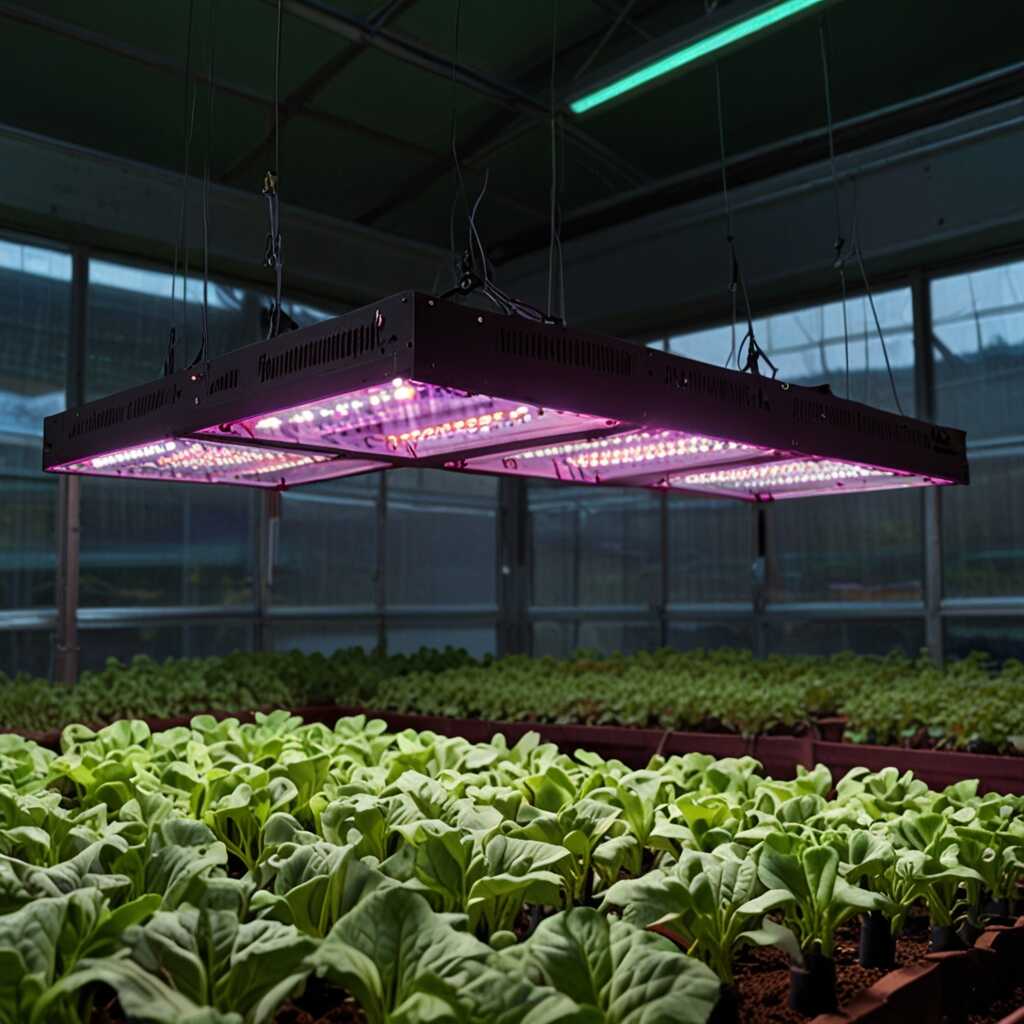
LED grow lights offer the most effective solution for cloudy day supplementation, providing full-spectrum lighting while consuming 50-70% less energy than traditional options. Fluorescent tubes work well for seedlings and herbs, typically costing $50-150 per fixture with moderate energy usage. High-intensity discharge lamps deliver powerful output for larger plants but generate significant heat and consume more electricity. Each type serves specific greenhouse needs based on plant varieties, space requirements, and budget considerations.
Why LED Technology Leads in Energy Efficiency
LED grow lights consume significantly less electricity while delivering targeted light spectrums plants actually use for photosynthesis. These lights operate at 85-90% efficiency compared to 60-70% for fluorescent systems and 40-50% for traditional incandescent options. LED fixtures typically last 50,000+ hours, reducing replacement costs over time. Their low heat output allows closer plant placement without burn risk, maximizing light utilization in compact greenhouse spaces.
When to Activate Supplemental Lighting Systems
Activate supplemental lighting when natural light levels drop below 300 micromoles per square meter per second, typically occurring during heavy cloud cover or storms. Most growers begin supplementation 2-3 hours after sunrise on cloudy days, extending light exposure through evening hours. Timing varies by plant type – leafy greens benefit from 14-16 hour cycles, while fruiting plants often require 12-14 hours depending on their growth stage. Monitor plants closely for signs of light stress or deficiency to adjust timing accordingly.
Adjusting Light Duration Based on Plant Development Stages
Seedlings thrive with 12-14 hours of moderate intensity lighting, typically 200-400 micromoles per square meter per second. Vegetative plants require 14-16 hours at 400-600 micromoles for robust leaf and stem development. Flowering plants benefit from 12-14 hours at 600-800 micromoles to support bloom production and fruit development. Adjust these ranges based on specific plant varieties – herbs generally need less intensity while tomatoes and peppers prefer higher levels throughout their growth cycles.
Essential Timing Guidelines for Common Greenhouse Plants
- Lettuce and leafy greens need 14-16 hours daily at 300-500 micromoles intensity
- Tomatoes require 12-14 hours at 400-700 micromoles for optimal fruit production
- Herbs like basil thrive with 12-14 hours at 200-400 micromoles
- Flowering plants benefit from 12-14 hours at 500-800 micromoles during bloom phase
- Seedlings need gentle 12-hour cycles at 200-300 micromoles for healthy development
- Pepper plants perform best with 14-16 hours at 400-600 micromoles
- Cucumber vines require 14-16 hours at 500-700 micromoles for strong growth
Advanced Techniques for Maximizing Light Distribution
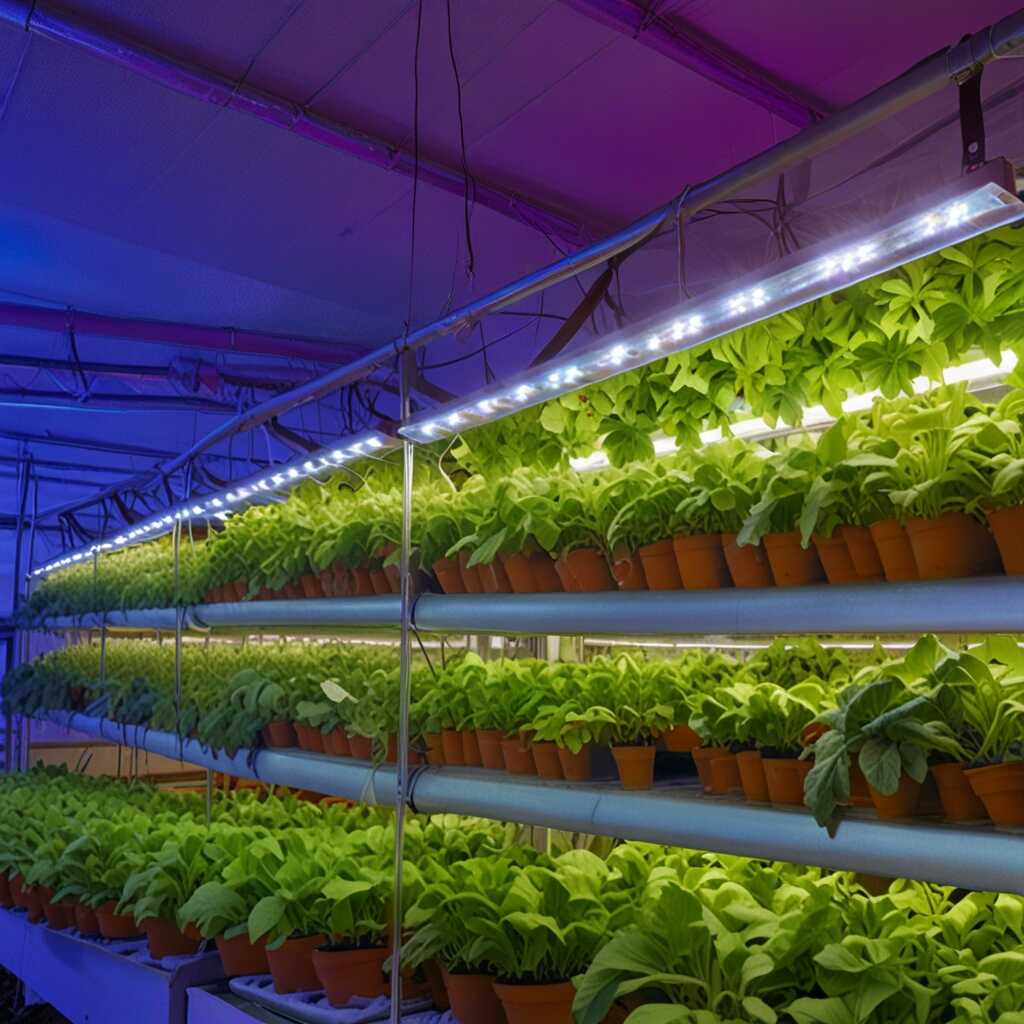
Reflective surfaces can increase light efficiency by 30-50% through strategic placement of mylar sheeting or reflective paint on greenhouse walls and surfaces. Light movers automatically adjust fixture positions throughout the day, ensuring even coverage across all plant areas. Layered lighting combines overhead fixtures with side-mounted units, eliminating shadows and providing comprehensive plant coverage. These techniques work best when integrated with automated controls that adjust intensity and duration based on natural light conditions.
Cost-Effective Methods for Improving Light Coverage
Installing reflective materials offers the most affordable way to enhance existing lighting systems, typically costing $50-200 for small greenhouses. White-painted walls reflect 80-90% of light compared to 10-20% for standard surfaces. Strategically placed mirrors or reflective panels redirect light to shadowed areas, improving overall plant coverage. Position reflective surfaces at 45-degree angles to maximize light distribution while avoiding hot spots that could damage sensitive plants.
Measuring and Adjusting Light Levels Accurately
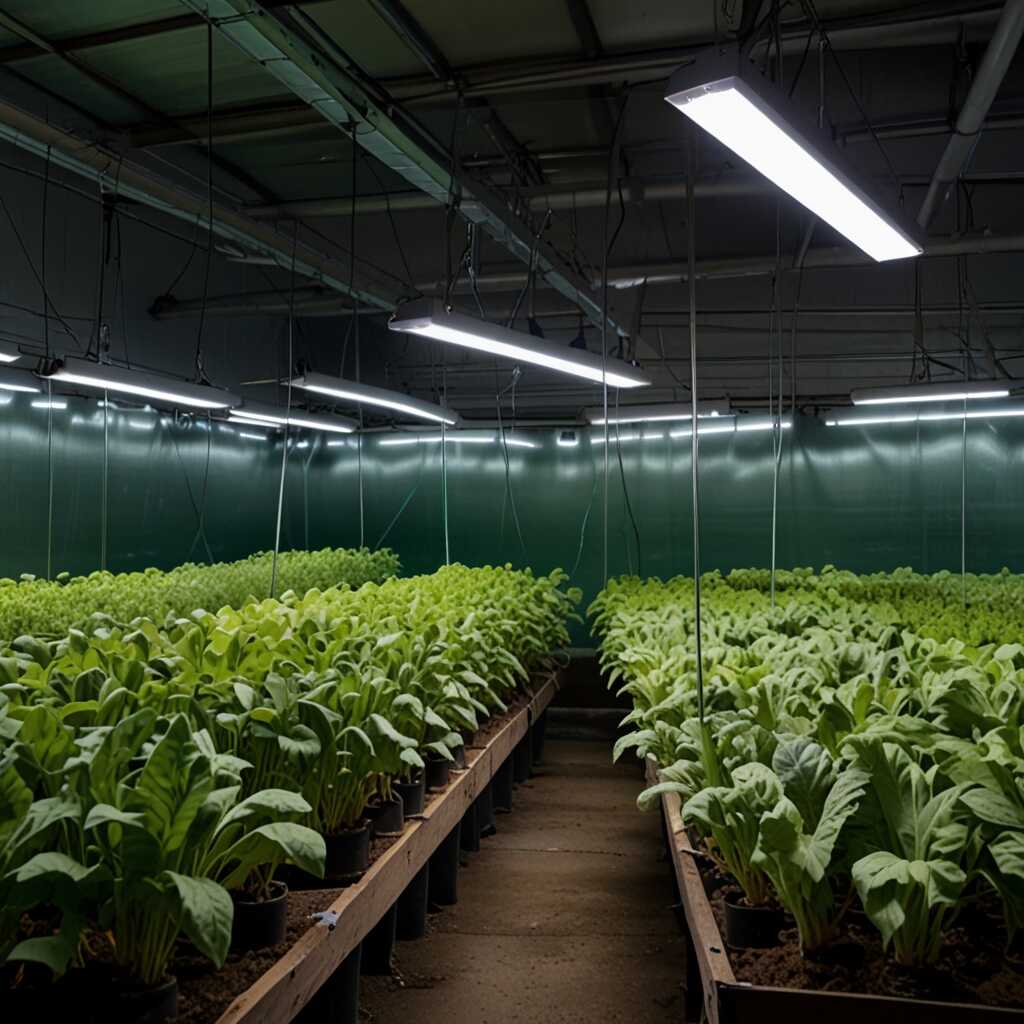
Quantum sensors provide the most accurate measurements for plant lighting, measuring photosynthetic photon flux density in micromoles per square meter per second. Light meters offer affordable alternatives for basic monitoring, though they measure general illumination rather than plant-usable light. Take measurements at plant canopy level during both natural and artificial lighting conditions. Most greenhouse plants require 400-800 micromoles for optimal growth, with adjustments based on plant type and growth stage.
Tools and Techniques for Precise Light Monitoring
Professional quantum sensors range from $300-1,500 and provide research-grade accuracy for serious growers. Smartphone light meter apps offer basic monitoring capabilities for hobby greenhouses, though results may vary by device. Data loggers record light levels continuously, helping identify patterns and optimize lighting schedules. Regular calibration ensures measurement accuracy, while multiple measurement points across the greenhouse reveal coverage variations that need addressing.
Benefits of Consistent Supplemental Lighting Programs
- Maintains steady growth rates regardless of weather conditions
- Increases overall yield by 25-40% compared to natural light alone
- Extends growing seasons into winter months for year-round production
- Improves plant quality through consistent environmental conditions
- Reduces crop failure risk during extended cloudy periods
- Enables precise control over plant development timing
- Supports higher-value crops that require specific light conditions
Managing Energy Costs with Smart Lighting Practices
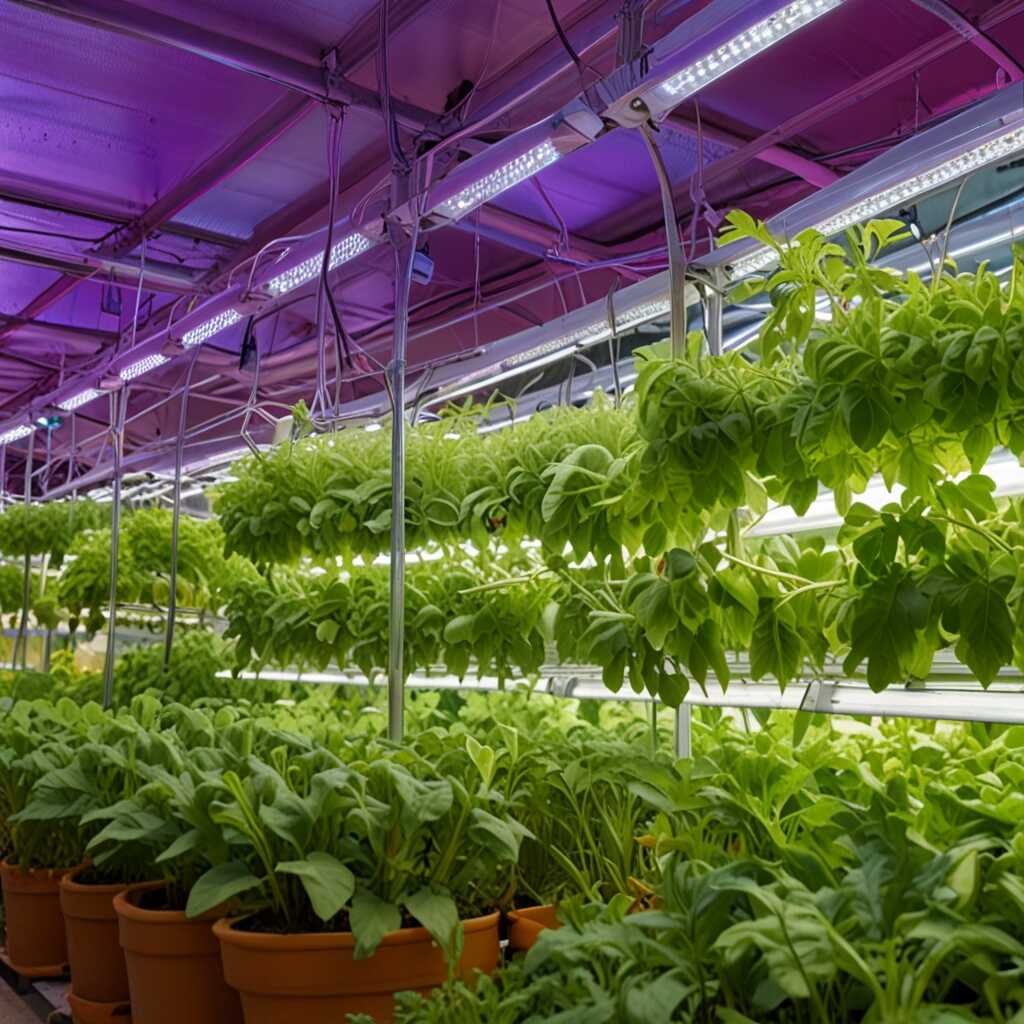
Energy-efficient supplemental lighting balances plant needs with operational costs through strategic equipment selection and usage patterns. LED systems typically cost 40-60% less to operate than fluorescent alternatives while providing superior light quality. Automated timers and sensors reduce energy waste by operating lights only when needed. Most small greenhouse operations spend $50-200 monthly on supplemental lighting electricity, while larger commercial facilities may invest $500-2,000 depending on coverage area and intensity requirements.
Smart Controls for Optimizing Energy Usage
Light sensors automatically adjust artificial lighting based on natural light availability, preventing unnecessary operation during bright periods. Timer systems ensure consistent daily light cycles while avoiding energy waste during peak rate hours. Dimming controls allow precise intensity adjustments, reducing energy consumption while maintaining adequate light levels. Smart controllers can reduce electricity costs by 20-30% through optimized scheduling and automatic adjustments based on plant requirements.
Overcoming Typical Supplemental Lighting Problems
Heat management presents the biggest challenge with supplemental lighting, particularly with high-intensity systems that can raise greenhouse temperatures 10-20 degrees above ambient levels. Uneven light distribution creates growth variations across plant areas, requiring careful fixture placement and reflective surface positioning. Initial equipment costs range from $500-3,000 for complete systems, though energy savings typically offset investments within 2-3 growing seasons. Regular maintenance including bulb replacement and cleaning ensures consistent performance throughout the system’s lifespan.
Selecting Appropriate Light Types for Different Conditions
LED grow lights excel in temperature-sensitive environments due to their low heat output and precise spectrum control. Fluorescent tubes work effectively for cool-season crops and seedling production with moderate upfront costs. High-pressure sodium lights provide intense illumination for large-scale operations but require adequate ventilation and cooling systems. Choose lighting types based on greenhouse size, plant varieties, climate control capabilities, and budget constraints rather than following one-size-fits-all recommendations.
Limitations and Considerations for Supplemental Lighting
- High initial investment costs may require 2-3 years to recoup through increased yields
- Electricity expenses can increase monthly utility bills by $50-300 depending on system size
- Heat management requires additional ventilation and cooling in many installations
- Complex systems need technical knowledge for proper installation and maintenance
- Light burn can damage plants if fixtures are positioned too close or intensity is excessive
- Some plant varieties may not respond well to artificial lighting supplements
- Equipment failure during critical growth periods can result in crop losses
Monitoring and Optimizing Your Lighting System Performance
Regular system evaluation ensures optimal plant response and identifies areas needing adjustment before problems develop. Monitor plant indicators including leaf color, growth rates, flowering patterns, and overall plant health weekly during cloudy seasons. Document light levels, energy consumption, and plant performance to establish baseline data for future improvements. Most successful growers conduct monthly system reviews, adjusting light intensity, duration, and positioning based on seasonal changes and plant development stages.
Key Indicators for Assessing Lighting Effectiveness
Healthy plants under proper supplemental lighting display vibrant green coloration, steady growth rates, and normal flowering patterns regardless of weather conditions. Pale or yellowing leaves often indicate insufficient light intensity or duration. Excessive stretching or leggy growth suggests inadequate light levels, while burned or bleached foliage typically results from too-intense lighting or improper fixture placement. Track these visual cues alongside measured data to fine-tune your supplemental lighting system for maximum effectiveness and plant health.