
Effectively supplementing natural light for indoor plants in winter is essential for their growth and well-being. Many indoor gardeners face challenges as daylight hours shorten, making it necessary to introduce artificial grow lights. At Green Writer, we emphasize energy-efficient lighting solutions that not only promote plant health but also align with eco-friendly practices. This article will guide you through practical setup methods and help you choose the best grow lights for your indoor garden this winter.
The Role of Light in Indoor Plant Growth and Development
Light is crucial for indoor plants, particularly in winter when natural light decreases. Sunlight drives photosynthesis, allowing plants to convert light into energy. Insufficient light can hinder growth and lead to issues like yellowing leaves. Indoor plants have varying light requirements based on their species and growth stages. Germination and seedling stages need around 12-16 hours of light daily. Vegetative plants typically thrive on 14-16 hours, while flowering plants often require about 12-16 hours to blossom effectively. Employing artificial grow lights can supplement natural light and cater to these specific needs.
Understanding the Specific Light Needs for Different Growth Stages
Understanding the specific light needs for different growth stages is vital for successful indoor gardening. During germination, seeds require bright, indirect light for optimal development. Once they sprout, seedlings thrive with full-spectrum light, which supports leaf and stem growth. Mature plants in their vegetative stage benefit from high-intensity light to enhance leaf production. When transitioning to flowering, plants require a change in lighting spectrum, often needing lower light intensity for better blooming. Grow lights are designed to manage these stages effectively, ensuring your plants receive the necessary light for robust health and growth.
Exploring Different Types of Grow Lights for Indoor Use
Indoor gardening enthusiasts can choose among three main types of grow lights: LED grow lights, fluorescent grow lights, and HID grow lights. Each type has its pros and cons. LED grow lights are energy-efficient, lasting up to 50,000 hours, and provide full-spectrum light that enhances indoor plant growth. Fluorescent grow lights, available in T5 or T8 options, are cost-effective and suitable for smaller spaces; however, they lack the intensity of LEDs. HID grow lights, including metal halide and high-pressure sodium, produce intense light but consume more energy and require additional cooling. Typical LED grow lights consume around 100 to 300 watts, making them efficient for winter use.
Choosing the Right Grow Light for Your Indoor Plants
Selecting the right grow light depends on plant type, growth stage, and space availability. LED grow lights are ideal for diverse plants as they can handle various growth stages and conditions. If growing herbs or leafy greens, low-intensity fluorescent lights work well. HID grow lights are better suited for fruiting plants due to their intensity and efficiency during their flowering stage. Evaluating energy efficiency, light spectrum, and setup requirements will ensure you make the best choice for your indoor garden.

Understanding Seasonal Light Variability for Indoor Gardening
Seasonal changes significantly impact the quality and intensity of light available for indoor plants. In winter, natural light decreases due to shorter days and overcast skies. This variability can lead to insufficient light for plant photosynthesis. To help plants thrive, it is essential to adapt artificial lighting strategies. Full-spectrum LED grow lights effectively mimic natural sunlight, offering the right wavelengths for optimal growth. The best artificial lighting includes options specifically designed to compensate for winter light loss. Research shows that placing grow lights about 12 to 24 inches above plants, depending on their needs, can enhance their health. Typically, indoor plants receive about 8 to 10 hours of daylight during winter, which is far less than their requirement.
Choosing the Right Artificial Light for Indoor Plants
When selecting artificial lighting for indoor plants during winter, the type and quality of light matter greatly. Full-spectrum LED lights are proven to be the most reliable choice, providing a balanced spectrum from blue to red wavelengths. These lights are energy-efficient, with lifespans exceeding 50,000 hours. When used correctly, they can significantly enhance indoor plant health and growth rates. Ensure to position lights at an optimal height to prevent light burn while delivering adequate light intensity. Additionally, using timers can help automate lighting schedules, ensuring plants receive consistent exposure. This method contributes to maintaining optimal environmental conditions, leading to healthier plants in your indoor garden.
Key Numerical Insights for Gardeners Seeking Light Solutions
- Winter days average only 9-10 hours of daylight, significantly less than summer.
- LED grow lights save up to 75% more energy than traditional bulbs.
- Full-spectrum lights cover wavelengths from 400-700 nanometers.
- Indoor plants can thrive with just 12-16 hours of light per day during winter.
- Optimal light distance from plants should be about 12-24 inches for best results.
- Depending on the type, grow lights can last over 50,000 hours with proper care.
- Plants may require additional light for 6-8 weeks after winter solstice for growth.
Maximizing Energy Efficiency When Using Grow Lights
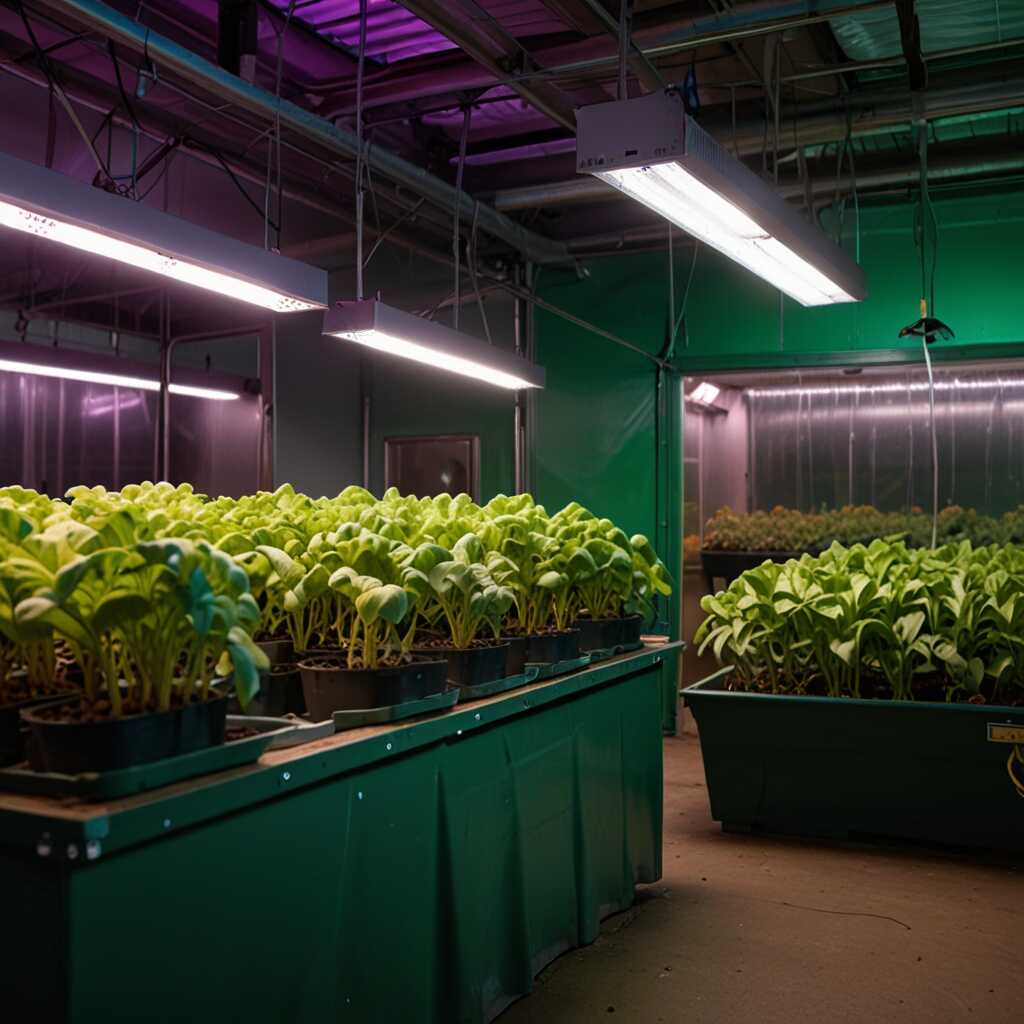
Using grow lights efficiently requires strategic timing, placement, and understanding your plants’ needs. The best timing for grow lights is usually 12 to 16 hours daily. Most indoor plants grow best with this duration, promoting healthy development. You can opt for LED lights, which provide the best energy-efficient options. These lights not only save energy but last longer than traditional bulbs. Optimize placement by directing the lights to cover multiple plants without wasting energy. Proper positioning improves light absorption, ensuring that each plant receives adequate light exposure to thrive.
Understanding Plant Light Requirements
Each plant species has unique light requirements, making it essential to research their specific needs. For instance, plants like succulents thrive in direct light for about 10 to 12 hours daily. In contrast, leafy greens such as lettuce benefit from indirect light for the same duration. An excellent rule is to start with 14 hours and adjust based on how your plants react. Observing their growth helps you dial in their ideal conditions. Regular monitoring can enhance their health and ensure they flourish despite limited winter sunlight.
Step-by-Step Guide to Setting Up Your Grow Light System
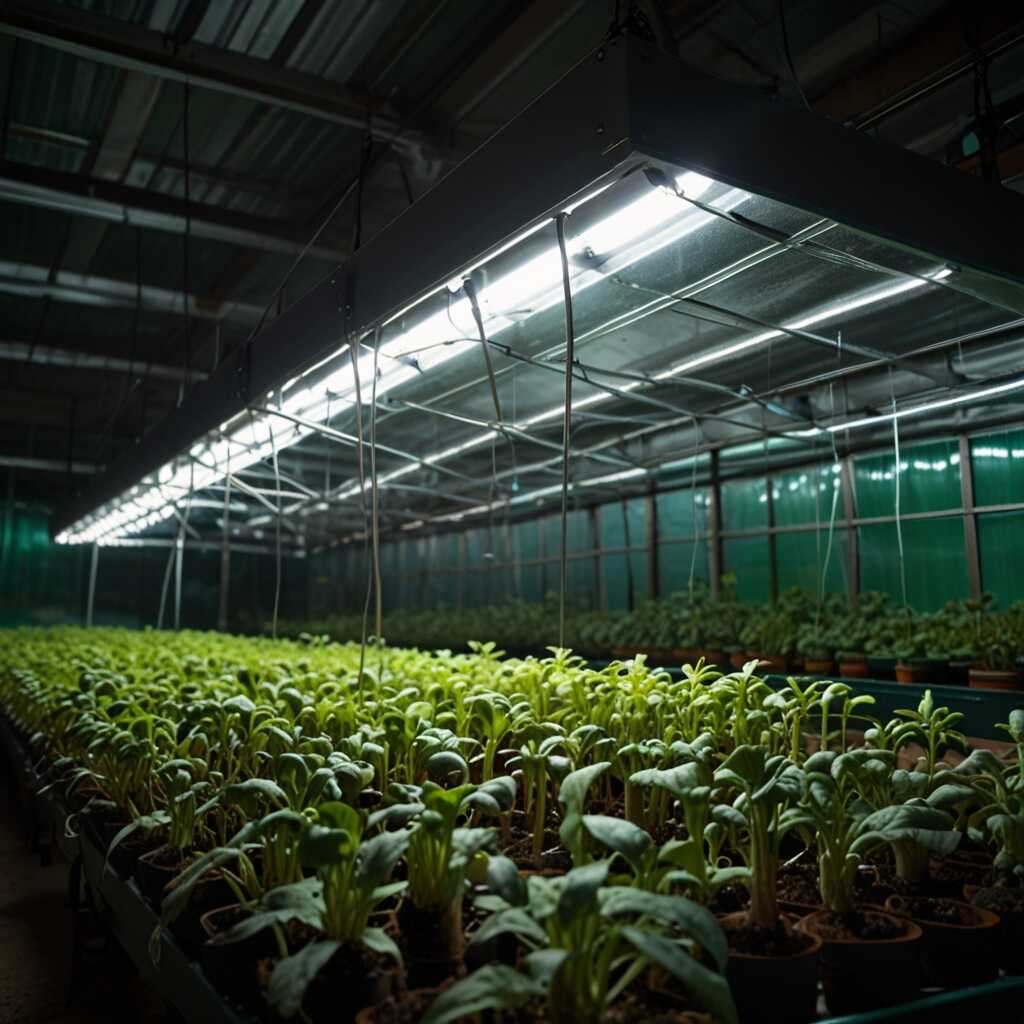
To set up an effective grow light system for indoor plants, start by measuring your space and planning for light placement. Consider spacing lights at least 12 to 24 inches above the plant canopy to avoid burning leaves. Monitor the distance based on the light type and plant variety. Environmental conditions, such as humidity and temperature, influence plant health and growth rates. Ensure proper ventilation to optimize these factors. Regular testing of light intensity and observing plant response helps refine your setup. Use full spectrum lights for all growth stages while ensuring energy efficiency.
Determining the Optimal Height for Grow Lights
The optimal height for hanging grow lights varies by type. For LED lights, maintain a distance of 12 to 24 inches above plants. For fluorescent lights, a distance of 6 to 18 inches works best. Adjust based on the light’s wattage and the type of plants you are growing. Monitor signs of light stress, such as leaf curling or fading color, and adjust height as needed. Always ensure that plants receive adequate light without suffering from too much intensity. This careful management promotes better growth and health.
Advantages of Enhancing Indoor Brightness for Plant Growth
- Using grow lights improves plant health by providing essential light wavelengths.
- Full-spectrum lights encourage robust vegetative and blooming stages.
- Enhanced sunlight reduces the risk of plant stress and pests.
- Plants receive consistent light regardless of outdoor weather changes.
- Proper lighting increases photosynthesis, promoting growth and vitality.
- Energy-efficient lighting solutions lower electricity costs over time.
- Utilizing grow lights can extend gardening seasons for year-round enjoyment.
How to Recognize Plant Health Under Grow Lights
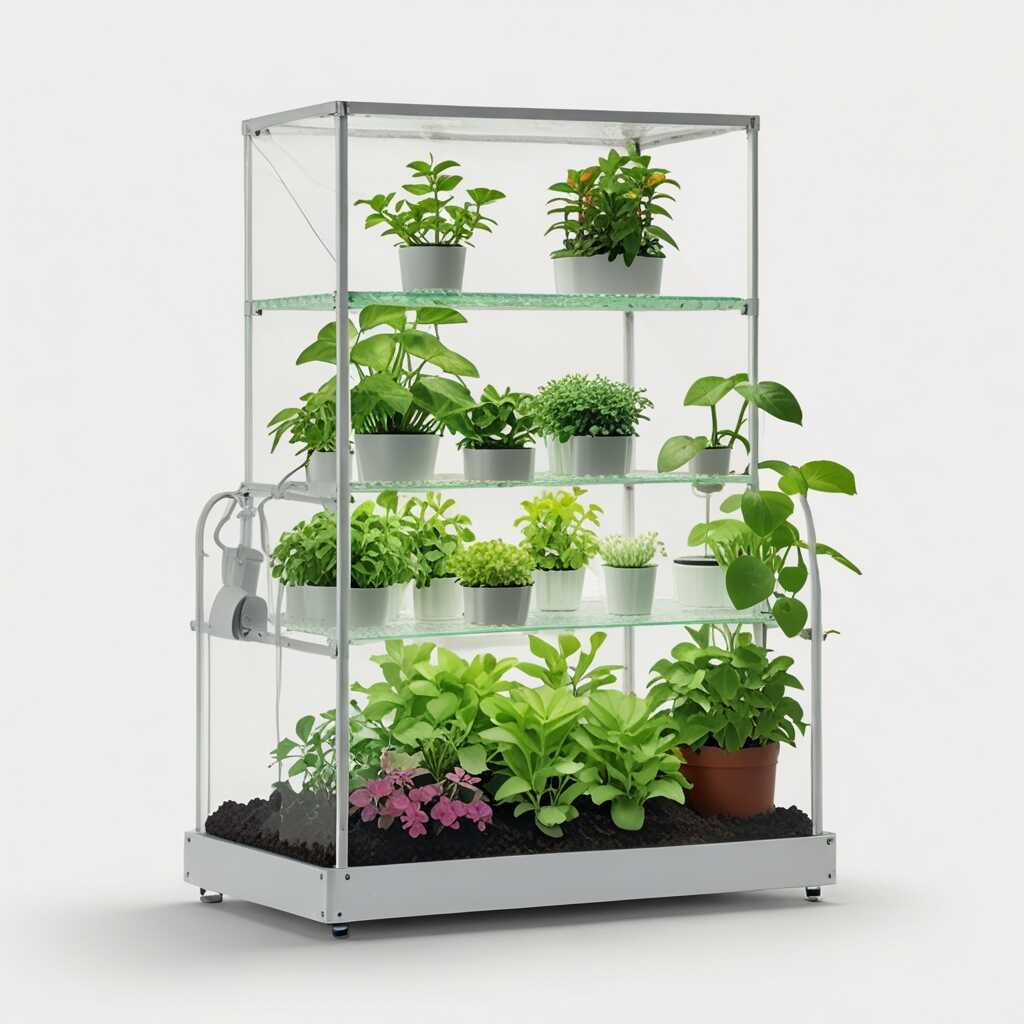
Recognizing healthy indoor plant health under grow lights involves observing several signs. A healthy plant typically exhibits vibrant green leaves, sturdy stems, and new growth at the tips. If leaves are yellowing, this could indicate nutrient deficiencies or overwatering. Stunted growth or browning leaf edges point to insufficient light or burn from excessive heat and light. Monitoring for pests like spider mites and aphids is crucial, as their presence can compromise plant health. It is essential to ensure proper light exposure and evaluate the grow light performance regularly. Each type of plant may have specific light needs, and documenting growth helps in making necessary adjustments.
Understanding Ideal Lighting Conditions for Various Plants
Different plants have unique lighting intensity requirements to thrive under grow lights. For example, leafy greens like lettuce require around 200-400 µmol/m²/s, while fruiting plants like tomatoes thrive at 400-600 µmol/m²/s. The quality of artificial light is also important; full-spectrum lights that emit wavelengths between 400-700 nm are best for supporting photosynthesis. Monitoring growth and adjusting the light distance according to plant response enhances efficiency. Regular testing of light intensity ensures that your plants receive the ideal amount of light they need to flourish indoors during winter. Ensuring reliable and consistent lighting conditions can significantly improve the overall health and growth rate of your indoor plants.
Optimal Timing and Duration for Artificial Light Exposure
The ideal timing for using grow lights depends on the type of indoor plants. Succulents thrive on 12-14 hours of light daily, while ferns prefer around 10-12 hours. For flowering plants, aim for 14-16 hours during their blooming stage. Customize light schedules based on these needs. Position grow lights 12-24 inches above plants for the best results. Use timers for consistent exposure, ensuring plants receive the right amount of light. Plants require adjusted exposure during winter when natural light diminishes. Monitor plant response to optimize this schedule further.
Customize Light Schedules for Specialized Plant Growth
Customizing light schedules is essential for enhancing growth in various indoor plants. Succulents like bright light, so they need longer exposure during the day. Meanwhile, ferns need shorter light durations to prevent stress. Flowering plants benefit from extended light in their blooming phase. A reliable approach involves programming lights to align with each plant’s requirements. Use a light meter for precise measurements of intensity. Regularly review plant health to ensure optimal growth, particularly during winter months when natural sunlight decreases.
Notable Brands and their Applications in Indoor Plant Lighting
- Brand A offers highly efficient LED options suitable for small spaces.
- Brand B’s full-spectrum lights are ideal for a broad variety of plant types.
- Brand C specializes in affordable grow lights for beginners and casual growers.
- Brand D has advanced smart lighting systems that adjust automatically.
- Brand E focuses on eco-friendly materials, a great choice for sustainable living.
- Casual gardeners embrace energy-efficient bulbs to promote budget-friendly growth.
- Dedicated enthusiasts prefer high-quality full-spectrum lights for professional results.
Proven Tips for Successful Winter Indoor Gardening
For successful winter gardening, choose indoor plants that thrive in lower light conditions, such as snake plants and pothos. Managing humidity is essential, as indoor air can become dry due to heating systems. Consider using a humidity tray or a humidifier to maintain moisture levels around your plants. Expect to provide about 12 to 16 hours of artificial light per day to compensate for reduced natural light. Using energy-efficient lighting options, such as LED grow lights, helps maintain plant health and reduce electricity costs during the colder months.
Effective Strategies for Humidity Management in Indoor Spaces
Maintaining optimal humidity levels is crucial for indoor gardening success, especially in winter. The ideal humidity range for plants is 40-60%. To create this environment, use shallow trays filled with water and pebbles beneath your pots. As water evaporates, it increases humidity around your plants. Another effective method is clustering your plants together. This creates a microclimate that retains moisture. Regularly misting your plants can also help, but do so sparingly to avoid excess water on leaves. By integrating these strategies, you enhance plant health and growth significantly during winter.