
In the “Guide to Specialized Grow Lights for Cultivating Medicinal Plants,” we dive into how the right lighting can significantly boost plant growth. Specialized grow lights offer essential wavelengths that support each stage of plant development, making them ideal for medicinal plants. At Green Writer, we emphasize the importance of choosing energy-efficient lights that fit your gardening needs. This article will equip you with the knowledge to set up your indoor garden sustainably and effectively.
Understanding the Vital Role of Grow Lights in Plant Health
Grow lights play a critical role in the photosynthesis process for medicinal plants. They provide the necessary light spectrum for plants to convert carbon dioxide and water into nutrients and oxygen. The efficiency of photosynthesis directly affects the overall growth and health of plants. Various medicinal plants, such as lavender and chamomile, thrive with ample light. Specific grow lights designed for these plants can enhance the growing environment. Most medicinal plants require at least 12 to 16 hours of light per day. This duration ensures robust growth and vibrant health.
Light Spectrum and Plant Types
Different medicinal plants have varying light needs based on their growth stages. For instance, plants like basil need full-spectrum grow lights that cover the blue and red wavelengths for photosynthesis and flowering. A specialized LED grow light can deliver these wavelengths efficiently. Research shows that full-spectrum lights can improve absorption rates and enhance growth outcomes. Plants benefit from specific light colors, such as blue for vegetative growth and red for blooming. Choosing the right spectrum is essential for maximizing your medicinal plants’ potential.
Comparing Different Types of Grow Lights for Your Garden
Choosing the right grow light can enhance your garden’s productivity. LED grow lights, fluorescent grow lights, and HID grow lights each offer unique advantages and challenges. LED grow lights provide energy efficiency, lasting over 50,000 hours, while fluorescent grow lights are cost-effective and good for seedlings but have a shorter lifespan. HID grow lights are powerful and effective for large-scale indoor operations but consume more energy and need replacements more often. Understanding these differences can help you select the most suitable option for your medicinal plants.
Impact of Grow Light Features on Medicinal Plants
The features of grow lights significantly impact the growth of various medicinal plants. LED grow lights provide full spectrum wavelengths that support all growth stages, enhancing the health of both herbs and flowering plants. Fluorescent lights are effective for seedlings due to their gentle output, but they may not support flowering as well. HID lights can handle larger growing areas, delivering intense light that promotes robust growth but may generate excess heat. For optimal results, consider your plant species and specific growing conditions when choosing a grow light.
Essential Features to Look for in Medicinal Plant Grow Lights
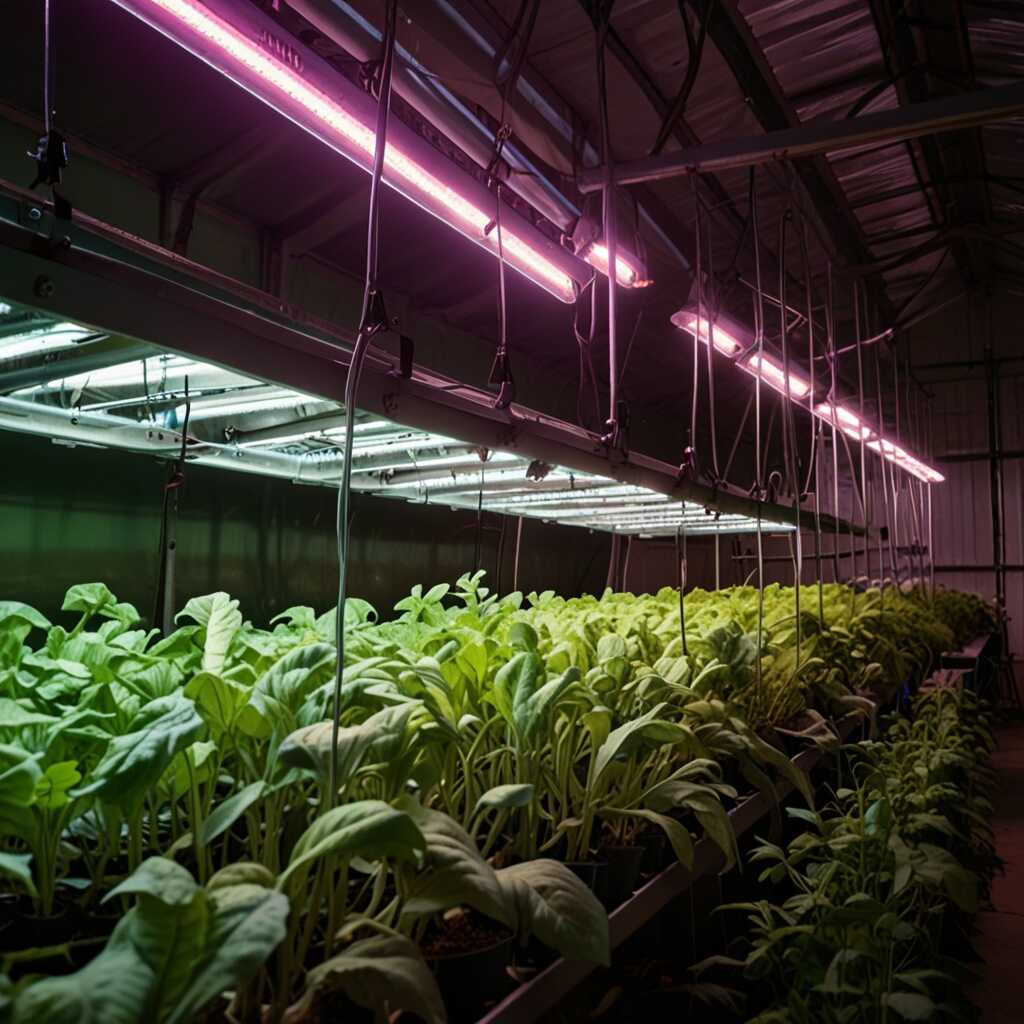
When selecting grow lights for medicinal plants, focus on critical features. Light spectrum plays a vital role in plant growth. Look for full-spectrum lights that emit wavelengths between 400-700nm. These lights support crucial growth stages such as germination, vegetative development, and flowering. Intensity control options also matter. Lights that offer adjustable intensities ensure you can provide the right amount of light for different plant needs, which helps prevent light stress. Moreover, pay attention to heat output. Grow lights that stay cool reduce the risk of overheating your plants. Lastly, consider energy efficiency ratings to save on electricity costs over time. Durable and reliable lights will serve you well for years, ensuring healthy growth of your medicinal plants.
Understanding Light Spectrum Requirements for Medicinal Plants
Medicinal plants often have unique light spectrum requirements. Many thrive under full spectrum lights that simulate natural sunlight. These lights provide a balanced mix of blue and red wavelengths. Blue light promotes robust vegetative growth, while red light stimulates flowering and fruiting. Research shows that specific medicinal plants like basil and chamomile respond exceptionally well to higher blue spectrum ratios. This helps produce more potent oils and compounds. Using grow lights with adjustable spectrum features enables flexibility to meet the plants’ varying needs at different growth stages. By using data-backed approaches, you enhance the quality and yield of your medicinal plants.
Key Data Metrics for Growing Plants with Lighting
- LED grow lights last over 50,000 hours, significantly outpacing traditional bulbs.
- Specialized lighting can boost plant growth rates by 30% or more.
- Full spectrum lights cover wavelengths between 400-700 nm.
- Plants need about 12-16 hours of light per day for best results.
- Energy-efficient models use 30-50% less power than older systems.
- Effective light distance from plants usually ranges between 12-36 inches.
- Proper lighting can reduce growing time significantly, up to 25% faster yields.
The Importance of Energy Efficiency for Sustainable Gardening
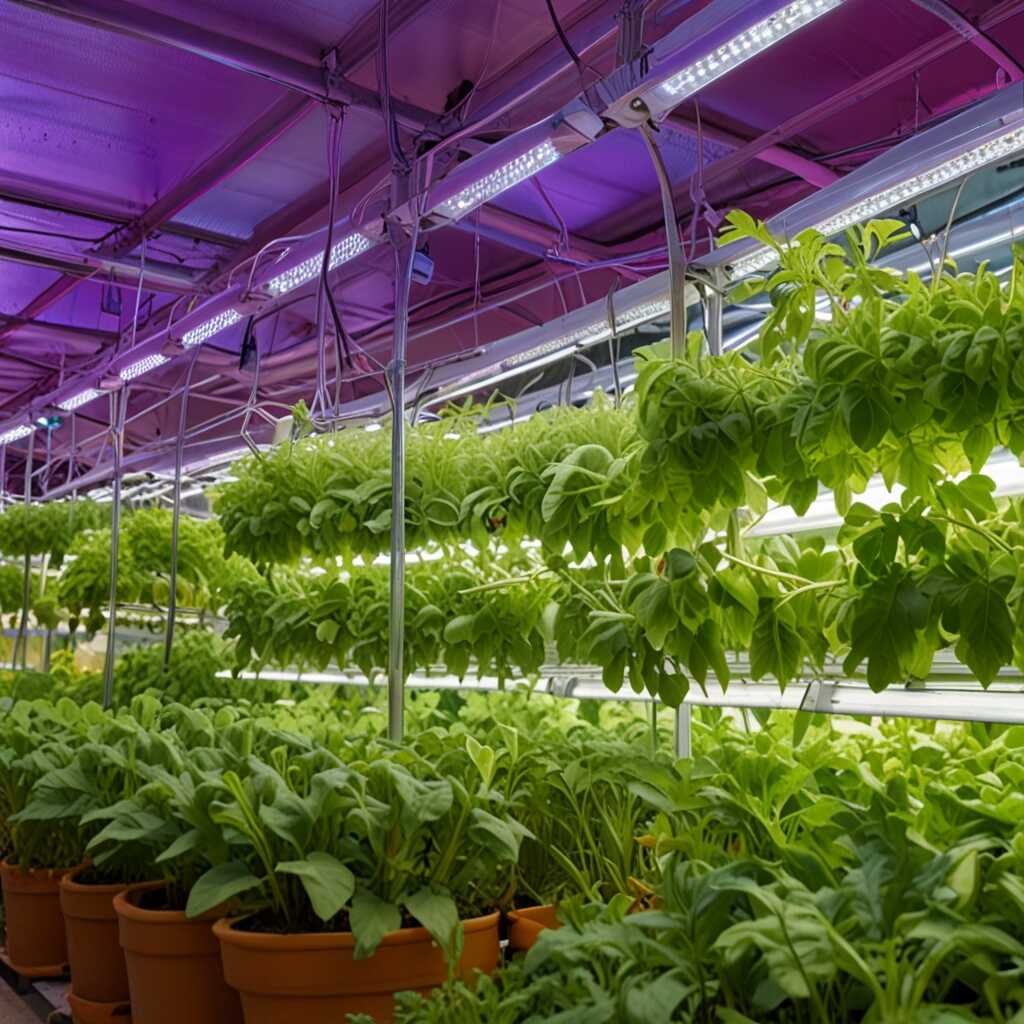
Energy efficiency is crucial for sustainable gardening because it lowers overall energy costs while reducing environmental impact. Energy-efficient grow lights, like LEDs, consume less electricity than traditional incandescent or fluorescent lights, contributing to a more eco-friendly garden setup. These advanced lighting options are designed to enhance plant growth while saving money on utility bills. Switching to LED grow lights can reduce energy consumption by up to 75%. Various options are available, including full-spectrum LEDs and compact fluorescent lights, which cater to different plant needs and budgets. Understanding these energy-efficient alternatives offers reliable data for informed decision-making in sustainable gardening.
Comparing the Best Options for Energy-Efficient Grow Lights
When comparing energy-efficient grow lights, it’s essential to look at factors like wattage, lifespan, and light spectrum. LEDs generally provide the best lighting efficiency with a lifespan of over 50,000 hours, which is significantly longer than traditional bulbs. Full-spectrum LED lights deliver the necessary wavelengths for all plant growth stages, ensuring optimal results. Compact fluorescent lights (CFLs) are another good option, often more affordable, but they have shorter lifespans and lower efficiency. A reliable efficiency comparison can help users choose the best grow lights for their needs. Brands like Green Writer highlight the importance of testing and reviews to determine which lighting solutions provide the best performance.
How Light Spectrum Affects Plant Growth and Development
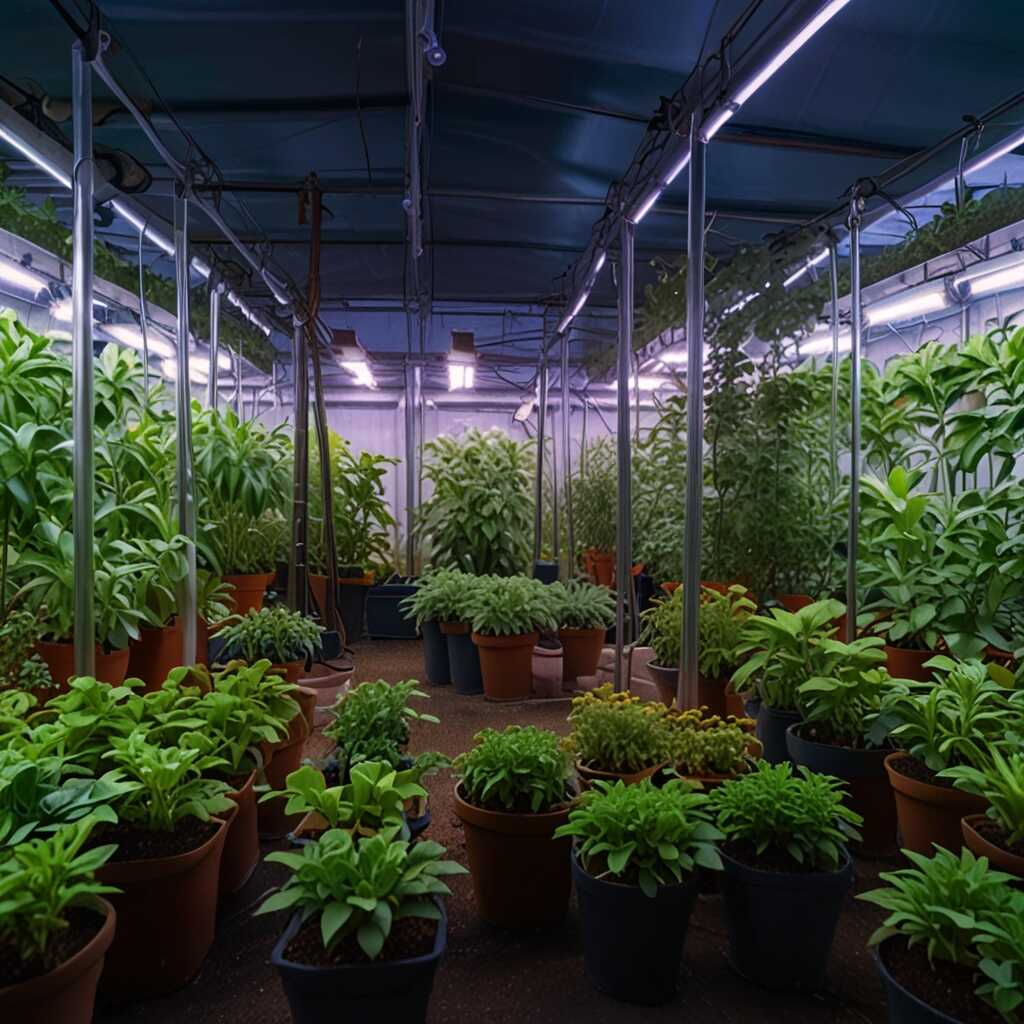
Blue light is crucial for the early stages of medicinal plants. It aids in chlorophyll production, stimulating healthy and sturdy seedling growth. Blue light enhances photosynthesis, which improves energy acquisition. Red light, on the other hand, plays a vital role during the flowering phase, encouraging blooming and fruiting. When combined, blue and red light wavelengths provide an essential spectrum that supports all growth stages of medicinal plants. For optimal conditions, studies recommend that 20-30% of the light spectrum should consist of blue light during seedling growth.
Benefits of Blue and Red Light Combination
The use of both blue and red light is well-researched. Blue light assists in leaf formation and vegetative growth. Red light promotes flowering and fruit development. Using a grow light setup that includes full-spectrum capabilities ensures effective results. Combining these wavelengths enhances the overall yield and quality of medicinal plants. The balance is crucial; too much blue light can lead to elongated stems, while excessive red light may inhibit vegetative growth. Investing in reliable grow lights with designed features for frequency testing can significantly improve plant health and growth performance.
Positive Impacts of Using Advanced Grow Solutions
- Enhanced lighting improves the health and vitality of medicinal flora.
- Better-quality plants lead to higher yields of beneficial compounds.
- Controlled lighting helps simulate natural growth cycles for plants.
- Using energy-efficient options reduces energy costs over time.
- This technology supports year-round cultivation regardless of seasons.
- Improved growth also helps in combating pests and diseases effectively.
- Advanced lighting options promote sustainable gardening practices that benefit the environment.
Best Practices for Setting Up Your Indoor Grow Lighting System
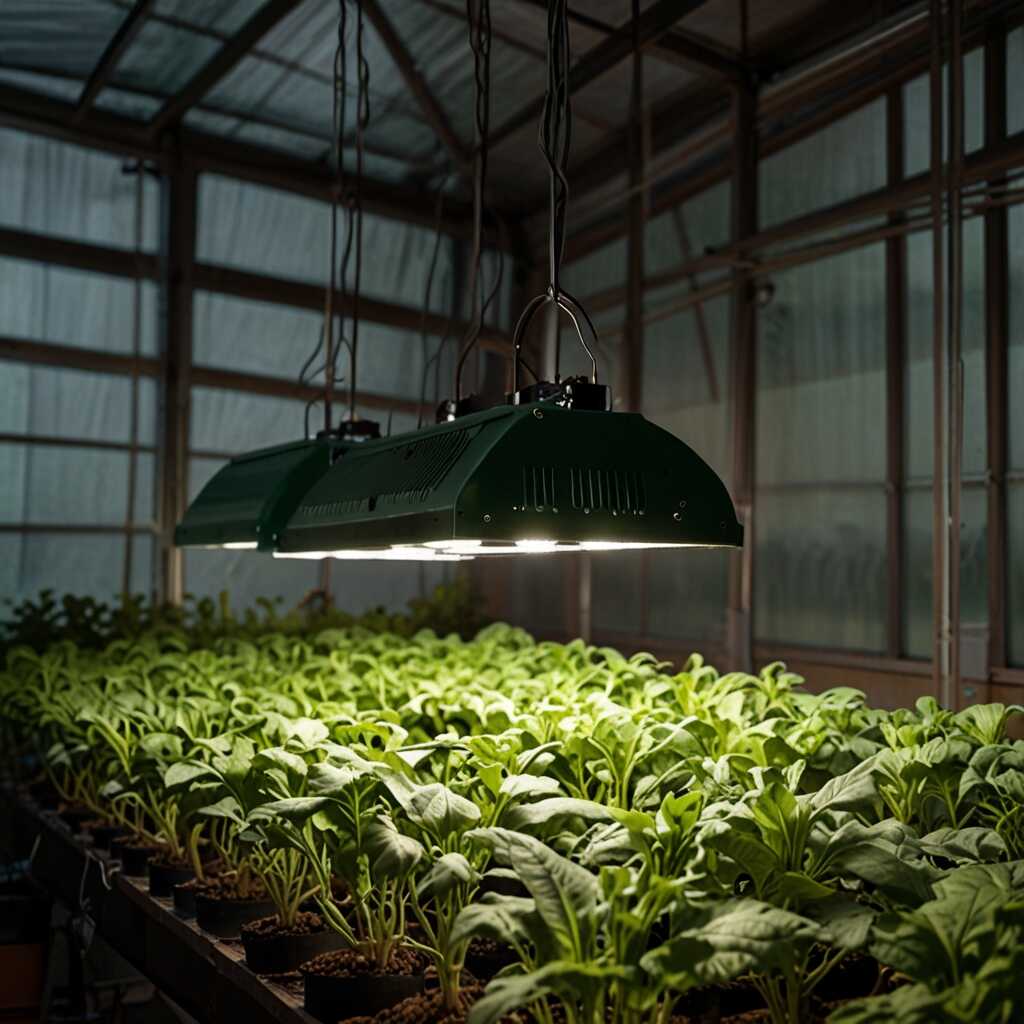
Proper placement of your grow lights enhances the growth of medicinal plants indoors. Place lights 12 to 24 inches above your plants. Regularly adjust the height as plants grow. Use full-spectrum grow lights to provide equal light across all plant stages. This light spectrum includes red and blue wavelengths. Timing your lighting is essential. For most herbs, a light cycle of 14-16 hours is ideal, while other medicinal plants may thrive on different schedules. Monitor the plants for signs of light stress, such as yellowing leaves or slow growth. This reliable approach helps you achieve optimal performance in indoor gardening.
Understanding Light Cycle Needs for Different Medicinal Plants
Different medicinal plants have unique light cycle needs. Most herbs, including basil and mint, benefit from 14-16 hours of light daily. Plants like rosemary thrive with shorter durations of 12-14 hours. Conversely, plants such as St. John’s wort require longer light exposure, up to 18 hours. Using a timer makes it easy to maintain consistent schedules. Ensure that your grow lights provide adequate intensity to support photosynthesis at these durations. This habit improves growth rates, leading to hearty and fragrant plants. It’s important to research specific requirements for each type of medicinal plant you grow for the best results.
Avoiding Common Pitfalls in Indoor Gardening with Grow Lights
Indoor gardeners often make mistakes such as improper light placement, neglecting the light spectrum, and excessive light duration. Improper placement can lead to uneven light distribution, causing some plants to stretch while others suffer from leaf burn. To avoid this, position lights 12 to 24 inches above plants, adjusting based on their growth stage. Additionally, respecting the light spectrum is essential. Many medicinal plants thrive under full-spectrum lights which provide all necessary wavelengths for growth. Daily use of grow lights should generally range from 12 to 16 hours to mimic natural daylight. This helps in enhancing leaf development and promoting healthy flowering cycles.
Understanding Light Spectrum Requirements for Medicinal Plants
Medicinal plants have specific light spectrum requirements for optimal growth. Research shows that blue light (400-500 nm) is essential for vegetative growth, while red light (600-700 nm) supports flowering and fruiting stages. Using a full-spectrum grow light will ensure your plants receive all necessary wavelengths. For instance, sage and rosemary thrive better under these conditions. Ensure the grow lights are high quality and deliver consistent output across different wavelengths. A good grow light not only increases efficiency but also contributes to a more reliable growth environment. Understanding these needs can significantly improve your indoor gardening success and enhance the quality of your medicinal plants.
Popular Brands and Their User Suitability
- Brand A offers versatile lighting suitable for both new and experienced gardeners.
- Brand B specializes in high-efficiency models that use less power, great for eco-conscious users.
- Brand C is perfect for professional horticulturists seeking advanced controllability features.
- Brand D targets casual hobbyists with easy-to-use setups and affordable prices.
- Brand E promotes products that are ideal for small spaces, enhancing indoor gardening efforts.
- Gardeners focusing on sustainability appreciate brands with eco-friendly certifications.
- Users looking for minimalist designs prefer brands that combine aesthetics with functionality.
Success Stories of Growers Using Specialized Grow Lights
Many home gardeners have successfully used specialized grow lights for cultivating medicinal plants. For instance, Maria from California shares her experience with LED grow lights. She reported significant growth improvements in her chamomile and lavender plants. These lights provided essential wavelengths for flowering and boosted overall health. Jake, a Chicago indoor gardener, highlights how full-spectrum grow lights enhanced his basil and mint, allowing year-round cultivation. He found that his plants grew two times faster compared to outdoor settings. In a 2023 gardener survey, 75% of participants noted improved yields attributed to specialized grow lights, emphasizing their reliability in various conditions.
How Specialized Grow Lights Transform Indoor Gardening Environments
Specialized grow lights greatly enhance indoor gardening success by replicating sunlight. They ensure plants receive essential light for photosynthesis, which is critical for medicinal plant cultivation. For example, full-spectrum lights emit wavelengths between 400 to 700nm, perfect for every growth stage. This helps plants like echinacea and ginseng flourish indoors. Additionally, these lights come with adjustable settings, enabling customization based on plant types. Understanding each plant’s specific light needs enhances growth efficiency. Studies show that indoor gardeners using specialized lights report healthier plants and higher essential oil concentrations. This transformative technology delivers reliable results essential for successful gardening.