
Understanding grow light photosynthetic efficiency for greenhouses is essential for maximizing plant growth and health. Effective grow lights can significantly enhance photosynthesis, leading to better yields in indoor gardening. At Green Writer, we explore various grow light technologies to help greenhouse owners and gardeners choose the best lighting options. Our goal is to promote energy-efficient practices while fostering a sustainable environment through proper plant care and lighting strategies.
Impact of Grow Lights on Photosynthesis and Plant Vitality
Grow lights significantly impact photosynthesis by providing essential light spectrums that plants need to thrive. Photosynthesis relies on light quality, which consists of varying wavelengths. Full-spectrum grow lights are ideal because they emit diverse light colors, promoting healthy growth and vibrant foliage. The duration of light exposure also plays a vital role. Most plants require approximately 12 to 16 hours of light daily for optimal results. Studies show that different plants benefit from specific spectrums. For instance, blue light (400-500nm) helps with vegetative growth, while red light (600-700nm) encourages flowering. Reliable light intensity is crucial to ensure plants receive enough energy to optimize photosynthesis.
Optimal Light Spectrums for Greenhouse Plants
When considering optimal light spectrums for greenhouse plants, using a combination of blue and red wavelengths is essential. For example, blue light enhances chlorophyll production, leading to more robust leaf development. Red light, on the other hand, facilitates flowering and fruiting processes. Research suggests that a balanced ratio of 3:1 of red to blue light is effective for many common greenhouse plants. Additionally, light intensity measured in micromoles per square meter per second should ideally range between 300 to 600 µmol/m²/s for effective photosynthesis. Proper testing and monitoring of these parameters help ensure your plants not only survive but thrive in greenhouse conditions.
Essential Metrics for Evaluating Light Efficiency
Key metrics for evaluating the efficiency of grow lights include photosynthetic efficiency and light output metrics. Photosynthetic efficiency measures how well grow lights convert electrical energy into usable light for plants. Optimal grow light technology, such as LED and full spectrum lights, ensures maximum energy efficiency while providing the necessary wavelengths for photosynthesis. The ideal PAR range for effective plant growth is between 400 to 700 nanometers, allowing plants to best absorb light for photosynthesis. Understanding these metrics helps greenhouse owners select the best options for their lighting needs.
Understanding Light Output Metrics for Grow Lights
Light output metrics are essential for assessing the performance of grow lights in greenhouses. Common metrics include photosynthetic photon flux (PPF) and photosynthetic photon flux density (PPFD). PPF measures the total amount of light emitted by a grow light, while PPFD shows how much light reaches a specific area, typically expressed in micromoles per square meter per second (µmol/m²/s). High-quality grow lights efficiently produce a high PPF and PPFD, ensuring plants receive abundant light for photosynthesis. This data is crucial for determining the best light source for optimal plant growth.
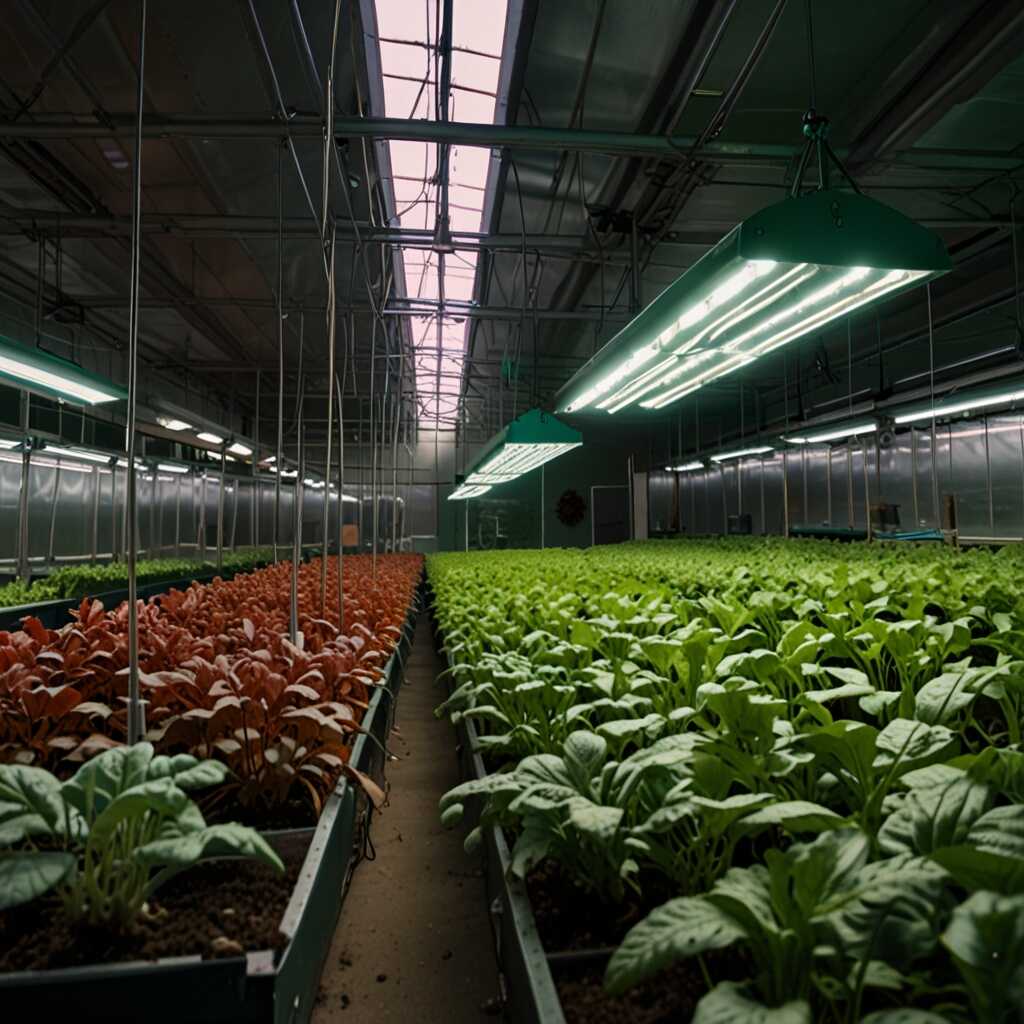
Overview of Various Grow Light Technologies for Greenhouses
Grow light technologies play a vital role in greenhouse plant growth. LED grow lights are energy-efficient, lasting over 50,000 hours. They provide full-spectrum lighting, enhancing photosynthetic efficiency while using less power. Fluorescent lighting offers a good balance of cost and performance, ideal for seedlings and young plants. HID lights are powerful and effective for larger plants, but they generate more heat and require additional cooling. Understanding these differences helps greenhouse owners make informed decisions.
Comparing LED, Fluorescent, and HID Grow Lights
When comparing grow light technologies, LED grow lights stand out for their exceptional energy efficiency, lower heat output, and longer lifespan. They typically consume between 300 to 600 watts for substantial coverage, making them suitable for various growing stages. Fluorescent lights use around 40 to 200 watts, making them a budget-friendly option for small setups and herbs. HID lights usually require higher wattage, averaging 400 to 1,000 watts, but produce intense light ideal for flowering plants. Research shows that LED lights improve growth rates more reliably than fluorescent and HID choices, providing consistent results for greenhouse enthusiasts.
Key Figures in Light Efficiency for Plant Growth
- Photosynthetically Active Radiation (PAR) spans from 400 to 700 nm.
- LED grow lights can operate efficiently for over 50,000 hours.
- Light intensity is measured in micromoles per square meter per second (µmol/m²/s).
- Grow lights can increase plant growth rates by 30% in controlled environments.
- Optimal light duration for plants is generally 12-16 hours per day.
- Most plants thrive in a temperature range of 65-80°F under grow lights.
- Full-spectrum LEDs reduce energy costs by up to 75% compared to traditional bulbs.
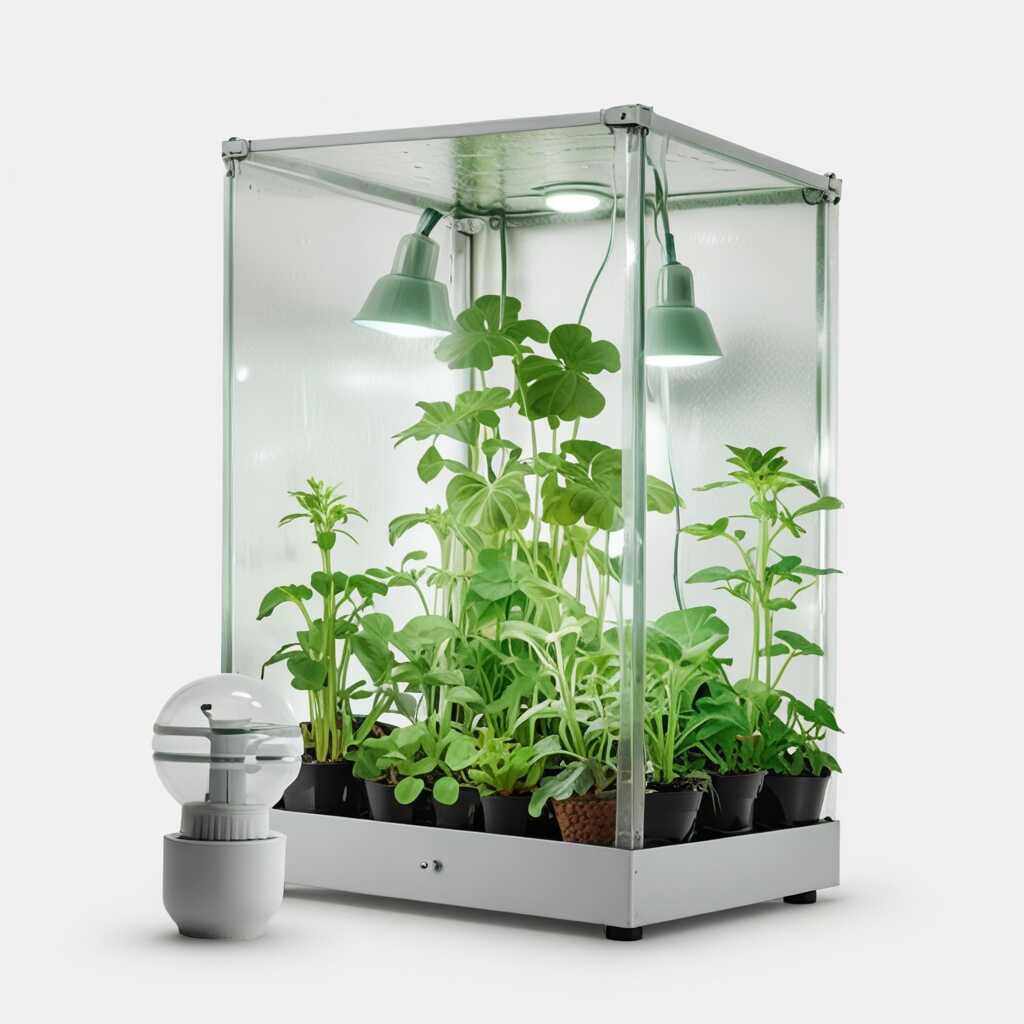
Light Spectrum and Its Influence on Plant Development
Light spectrum refers to the range of wavelengths of light, each with distinct effects on plant growth and photosynthesis. Plants have specific light spectrum requirements that influence their development stages. Full spectrum lights, which emit a broad range of wavelengths, provide essential support for various plant needs, from seedling to flowering. Different wavelengths, such as blue light (400-500 nm), promote vegetative growth, while red light (600-700 nm) aids flowering and fruit production. By using full spectrum lights, greenhouse owners can ensure that their plants receive the optimal wavelengths necessary for healthy growth.
Understanding Photosynthesis Wavelengths for Plant Health
Photosynthesis is primarily driven by light wavelengths ranging from 400 to 700 nanometers. In this spectrum, blue light supports chlorophyll production, essential for plant growth. Red light enhances flowering and fruiting stages, making it crucial for mature plants. Research shows that combining these wavelengths in full spectrum lights creates a balanced environment. This balance enables reliable plant development and improves overall health. Additionally, using lights that closely mimic natural sunlight can help achieve the best results in plant growth, as plants are adapted to thrive under broad-spectrum light.
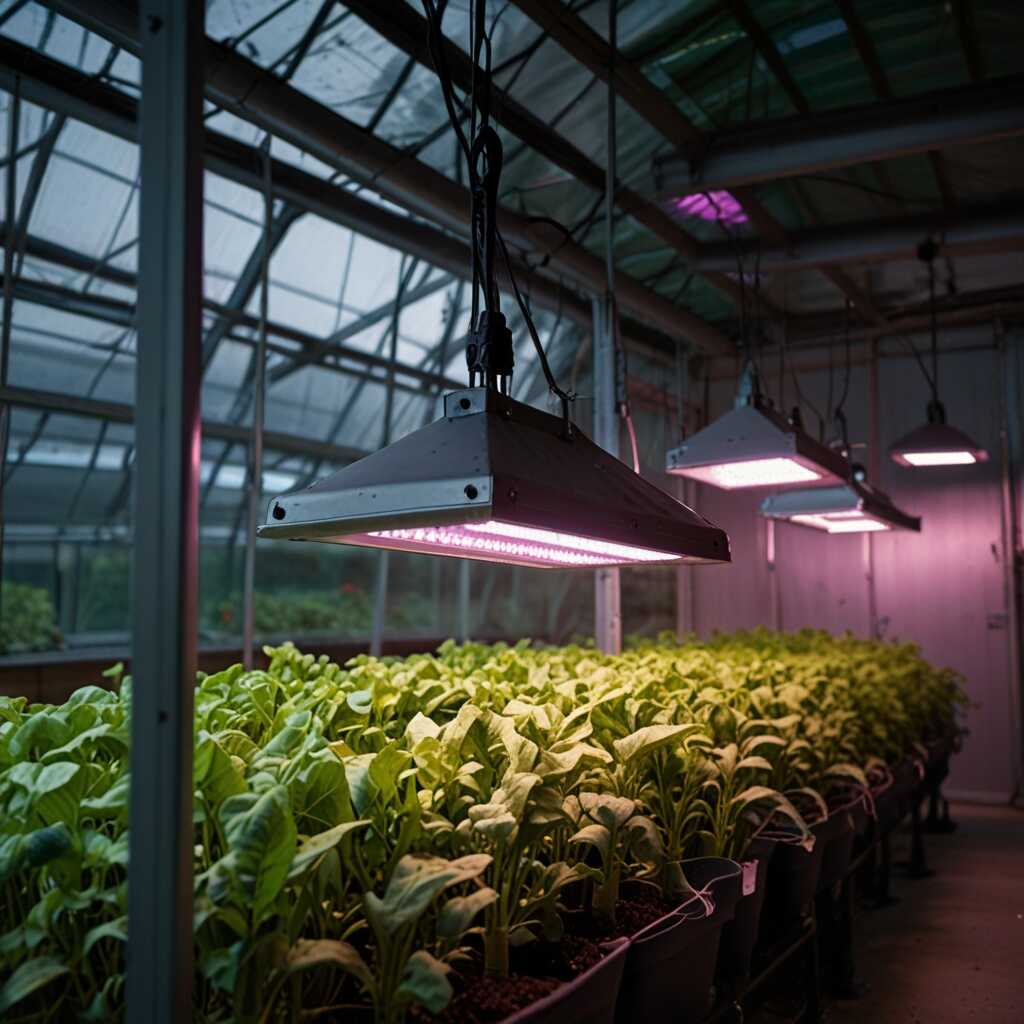
Comparing Energy Use of Modern Grow Lights and Conventional Options
Modern grow lights, especially LED options, consume significantly less energy compared to traditional incandescent bulbs. LED grow lights are known for their efficiency, utilizing around 50-70% less energy while providing the full spectrum of light plants need for growth. In comparison, older lighting models like fluorescent and incandescent use more energy, generating excess heat and requiring more frequent bulb replacements. This efficiency translates into lower electricity bills and a smaller environmental impact. Understanding which grow lights to use helps greenhouse owners select the most effective options for individual plant needs, supporting sustainable practices.
Understanding Energy Savings of LED Grow Lights
LED grow lights not only save energy, but they also enhance plant growth with their specific light wavelengths. Research shows that switching from incandescent lighting to LED can save a greenhouse approximately 80% on lighting energy costs annually. For instance, if a greenhouse used 1,000 watts of incandescent bulbs, switching to 250 watts of LED could lead to savings of over $1,000 yearly, based on average electricity rates. The durable design and long lifespan of LED fixtures, often exceeding 50,000 hours, ensure a reliable light source for plant care, delivering essential features that optimize performance throughout all growth stages.
Advantages of Optimal Lighting for Indoor Gardening
- Efficient growth lights enhance photosynthesis, boosting plant health.
- They allow year-round gardening, regardless of natural light conditions.
- Germination rates improve significantly with the right light setup.
- Plants develop stronger stems and leaves with proper lighting.
- Efficient light reduces energy costs for growers, saving money.
- Different light spectrums cater to various plant needs and growth stages.
- Using the right grow lights can improve crop yields in greenhouses.
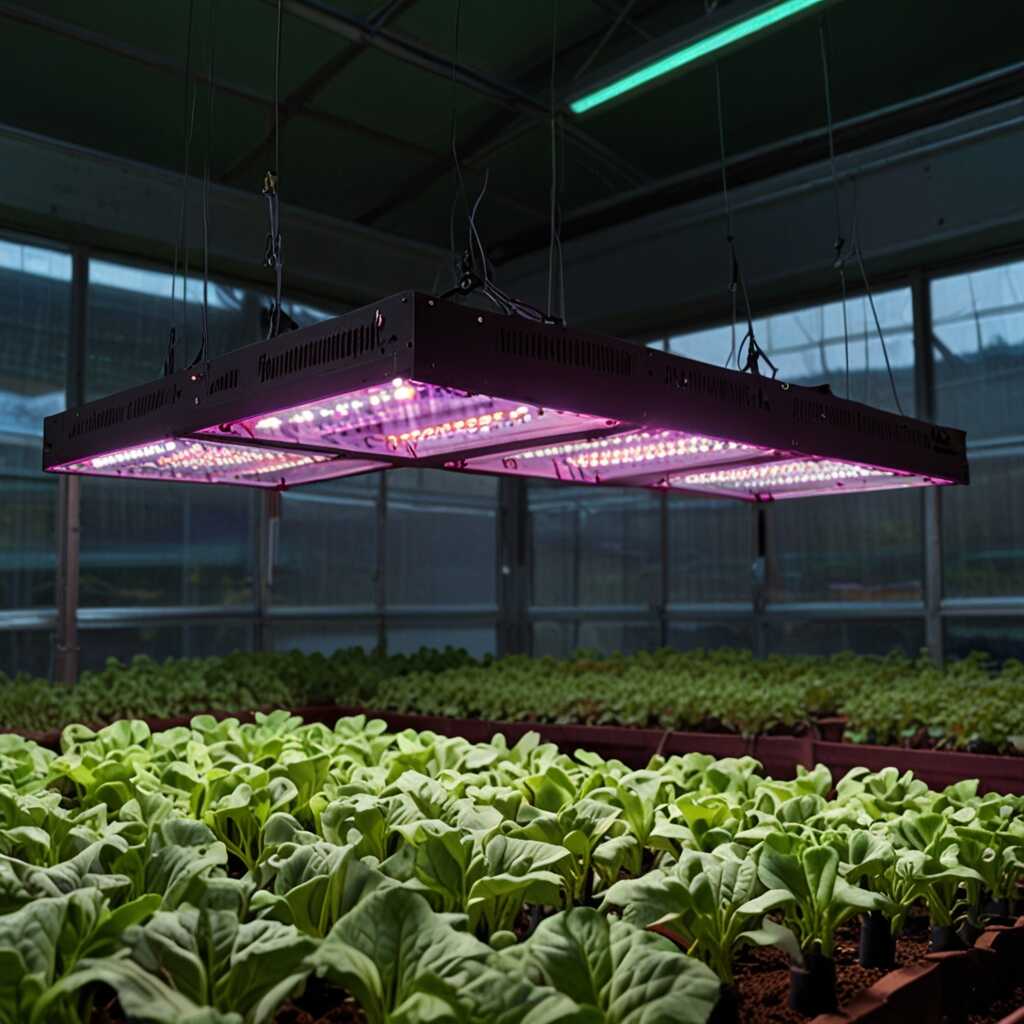
Guidelines for Selecting the Ideal Grow Light for Your Space
When selecting a grow light for your greenhouse, consider several key factors. First, evaluate the types of plants you are growing. Different plants require different light spectrums to thrive. Determine the space constraints in your greenhouse. Measure your available area to ensure that the grow lights fit properly. Energy consumption is also vital. Look for lights that offer high efficiency, allowing you to save on energy costs while providing sufficient light. Consider options like LED grow lights which are highly adaptable, reliable, and long-lasting. LEDs handle various plant needs effectively and can be adjusted based on the plant variety and growth stage.
Understanding Light Spectrum Needs for Various Plants
The light spectrum significantly influences plant growth. Different plants, such as leafy greens or flowering plants, respond differently to light wavelengths. Full-spectrum grow lights deliver light across a wide range, from blue to red wavelengths. Blue light promotes vegetative growth, while red light encourages flowering and fruiting. Research your specific plants to choose the appropriate light spectrum. Conduct comparisons of different lights based on professional reviews. This approach ensures that your plants receive the best possible conditions for thriving, maximizing your indoor gardening success. Invest time in testing various combinations of grow light options to find the most effective setup for your greenhouse environment.
Effective Strategies for Using Grow Lights to Maximize Growth
To optimize plant growth, place grow lights 12-24 inches above your plants, depending on their light needs. For instance, seedlings require closer placement, whereas mature plants can benefit from more distance. Timing is essential as well. Most indoor plants thrive with 12-16 hours of light each day. This duration may vary based on the plant variety and growth stage. Monitoring light intensity is crucial—use a light meter to ensure grow lights provide adequate lumens. Regular maintenance keeps lights functioning well. Clean the fixtures to maximize light efficiency and check timers to avoid overexposure, which can harm the plants.
Understanding the Role of Light Intensity in Plant Growth
Light intensity significantly affects plant health and growth. High light levels promote faster growth rates in many species. For instance, flowering plants and vegetables thrive in high-intensity environments. Conversely, low-light plants like ferns require softer lighting. Use full-spectrum LED grow lights that mimic natural sunlight for the best results. These lights support different growth stages from seedling to mature plant. If you notice stunted growth, assess light distance and intensity. Adjustments can greatly improve your plant’s health. Track your plants’ progress using a journal to note their responses to different lighting setups.
Types of Plant Lighting Solutions and Their Uses
- LED lights work well for all stages of plant growth, especially indoors.
- Fluorescent lights are popular among beginners due to their affordability.
- High-Intensity Discharge (HID) lights are best for commercial growers needing high yields.
- Incandescent lights are less efficient but may benefit low-light plants.
- Plants like herbs and leafy greens favor full-spectrum lights for robust growth.
- Succulents thrive under strong light, benefiting from high-intensity options.
- Tropical plants prefer softer light, making LEDs an ideal choice.
Innovations in Grow Light Technology and Their Environmental Impact
Recent innovations in grow light technology include LED fixtures that use lower energy while enhancing plant growth. These lights provide a spectrum designed for photosynthesis, promoting stronger plants. Energy-efficient options like LED can significantly reduce energy consumption in greenhouses. LED grow lights can save up to 75% energy when compared to traditional lighting methods like fluorescent and high-intensity discharge (HID) lights. Full spectrum lighting caters to various plant growth stages, ensuring optimal results. The integration of smart technology allows for real-time monitoring, improving reliability and performance. By choosing these advanced systems, growers can support sustainability efforts while boosting productivity.
The Role of Smart Technology in Optimizing Grow Light Settings
Smart technology plays a crucial role in optimizing grow light settings. Automated sensors can monitor environmental factors like light intensity and plant growth stages. This data helps adjust grow light output based on real-time needs. As a result, energy waste is minimized, and plants receive targeted light suitable for their growth phase. These technologies often integrate with smartphone applications, allowing for easy management and adjustments. By enabling precise control over lighting, smart systems improve the overall efficiency of greenhouse operations. The future landscape of gardening is set to be dominated by these innovations, making them essential for eco-conscious growers.