
Calculating grow light spacing for different greenhouse plants is essential for optimal plant growth. Proper spacing ensures that each plant receives the right amount of light and nourishment, promoting healthy development. At Green Writer, we understand the unique lighting needs of various plant categories, helping indoor gardening enthusiasts achieve success. By learning how to calculate the appropriate spacing for grow lights, you can enhance sustainability in your gardening practices.
Significance of Proper Grow Light Spacing in Greenhouses
Proper grow light spacing is essential in promoting healthy plant growth in greenhouses. It ensures optimal light distribution, which directly affects plant development and overall health. Inadequate spacing can lead to uneven light distribution, resulting in some plants receiving too much light while others receive too little. This imbalance can stunt growth or lead to poor health conditions in certain plants. Different species, such as tomatoes and orchids, have specific light preferences that necessitate strategic spacing for maximum efficiency. A well-researched distance of 12 to 24 inches between LED grow lights can enhance growth rates, particularly in dense plant groupings.
Understanding Species-Specific Light Needs
To maximize plant health and growth, understanding species-specific light needs is crucial. For instance, leafy greens like lettuce thrive under more intense light, requiring closer grow light spacing of 12 to 18 inches. In contrast, flowering plants like geraniums require up to 24 inches for adequate lighting without burning their leaves. Research and testing show that matching light intensity with plant needs significantly enhances the quality of growth. Using light meters can help measure and ensure proper light levels for different plant species. Adapting your grow light spacing according to individual plant types and their growth stages can lead to impressive results.
Key Variables Affecting Plant Light Needs
The light requirements of greenhouse plants vary according to several key factors. These include plant type, growth stage, and light intensity needs. For instance, leafy greens like lettuce generally require less light than flowering plants such as tomatoes. Succulents thrive in bright conditions with direct sunlight, while shade-loving plants like ferns need diffused light. Each plant category has unique lighting requirements, which helps ensure optimal growth and health. Most greenhouse plants benefit from light intensities ranging from 1,000 to 2,500 lumens for healthy development.
Understanding Plant Categories and Their Lighting Needs
Different plant categories significantly affect lighting requirements in greenhouses. Succulents usually require full-spectrum light with high intensity, around 2,000 to 3,000 lumens, for several hours daily. Leafy greens thrive in lower light conditions, needing around 1,000 lumens, but they benefit from being closer to the light source to optimize growth. Flowering plants, meanwhile, often require a balanced mix of full-spectrum light to encourage bud development and blooming. Understanding these differences helps growers provide proper greenhouse lighting, ensuring plants receive the necessary light for their specific growth stages.
Formulas for Calculating Grow Light Spacing by Plant Category
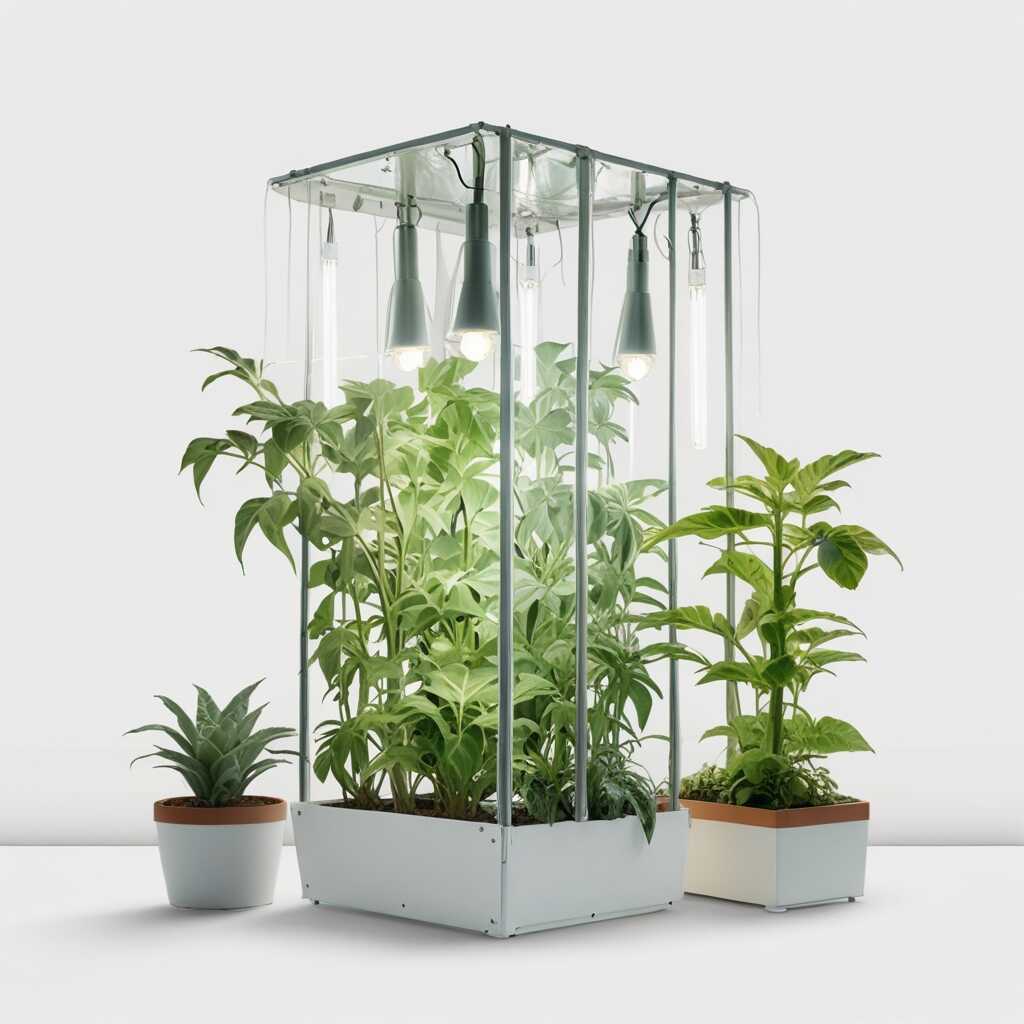
To calculate grow light spacing, first determine the light requirements of each plant category. For herbs, generally space lights 12-18 inches apart. For vegetables, a spacing of 24-36 inches is often effective. Flowers can require a wider range of 30-48 inches depending on their size and light needs. Utilize a PAR meter to measure light intensity at plant height. This ensures you provide the correct intensity across categories. Consistent testing allows for better adjustments to light spacing based on how plants respond.
Understanding Light Intensity for Optimal Growth
Light intensity directly impacts plant health and growth rates. Different plant categories have unique requirements based on their growth stages. For instance, leafy greens thrive with 100-200 µmol/m²/s, while flowering plants may need 300-600 µmol/m²/s. Adjust your grow light spacing to meet these needs. Use full-spectrum LED lights, as they provide a balanced light across wavelengths, promoting photosynthesis effectively. Melting light too high can reduce the quality of your plants. Research results show that maintaining correct spacing enhances growth quality significantly.
Numerical Facts About Optimal Light Arrangement
- Plants typically need 12-16 hours of light daily for best growth.
- LED grow lights consume about 50% less energy than traditional bulbs.
- Spacing between lights should be 12-24 inches based on light intensity.
- Full spectrum lights cover wavelengths from 400 to 700 nm.
- It’s suggested to have one light per 2-4 square feet of growing area.
- Adjust light height based on plant growth stage, typically 24-36 inches above plants.
- Light output measured in lumens; aim for 500-1,000 lumens per square foot.
Adjusting Light Setup for Different Growth Phases
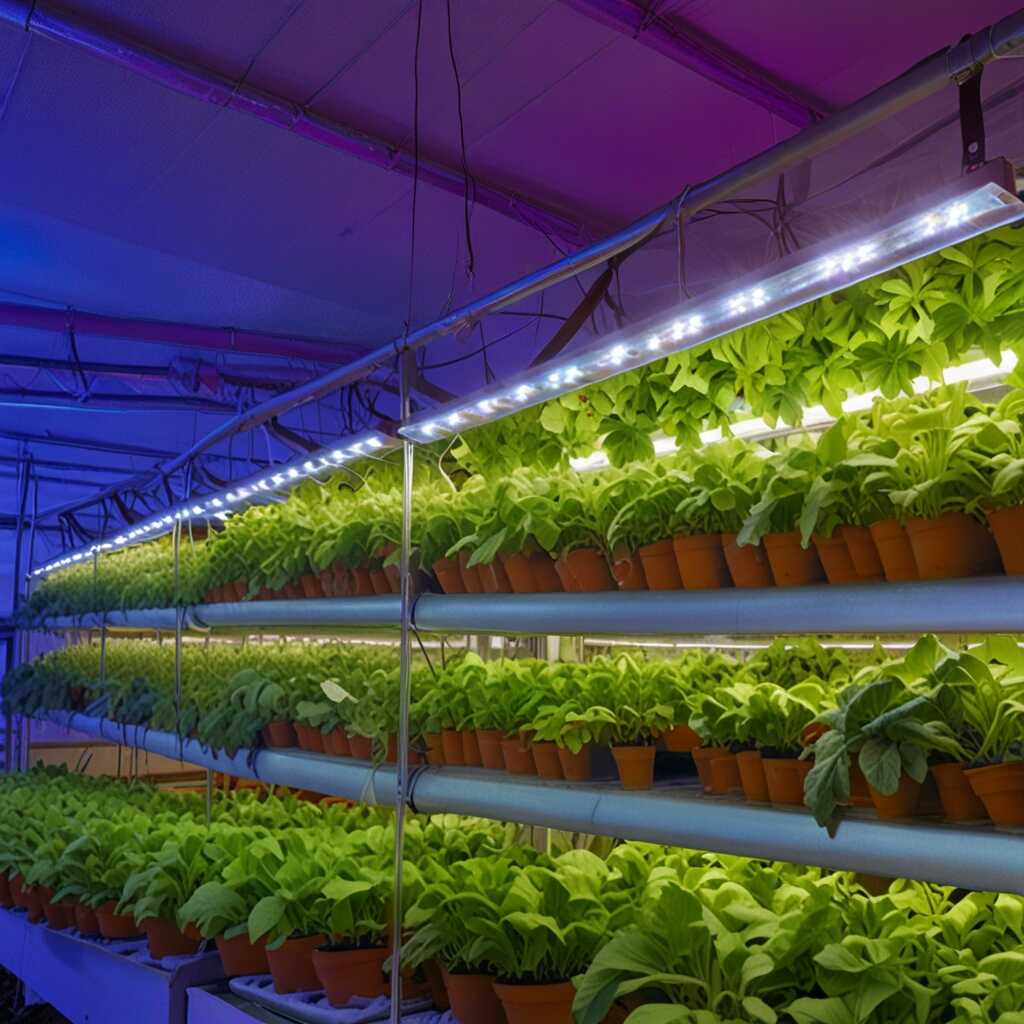
Proper grow light spacing varies between the vegetative and blooming phases. During the vegetative phase, plants need light to be placed 12-24 inches above the canopy. This distance allows for strong growth without leaf burn. In contrast, for the blooming phase, the lights should be pushed closer, about 10-14 inches above the plants, maximizing light intensity which is essential for flower production. Different greenhouse plants have unique light intensity needs. Most require around 400-700 µmol/m²/s (micromoles per square meter per second) for optimal growth. This setup enhances photosynthesis and fosters growth.
Optimal Light Intensity for Various Greenhouse Plants
Different greenhouse plants have specific light intensity needs for both growth phases. For instance, leafy greens like lettuce thrive on lower light intensities of around 150-300 µmol/m²/s in the vegetative state. On the other hand, fruit-bearing plants like tomatoes require at least 600-900 µmol/m²/s to maximize yields during the blooming phase. Using full-spectrum LED grow lights, which deliver the necessary wavelengths for all growth stages, ensures each plant receives its tailored light needs. Understanding these requirements is vital for achieving healthy plants and robust harvests.
Common Errors in Grow Light Installation and How to Fix Them
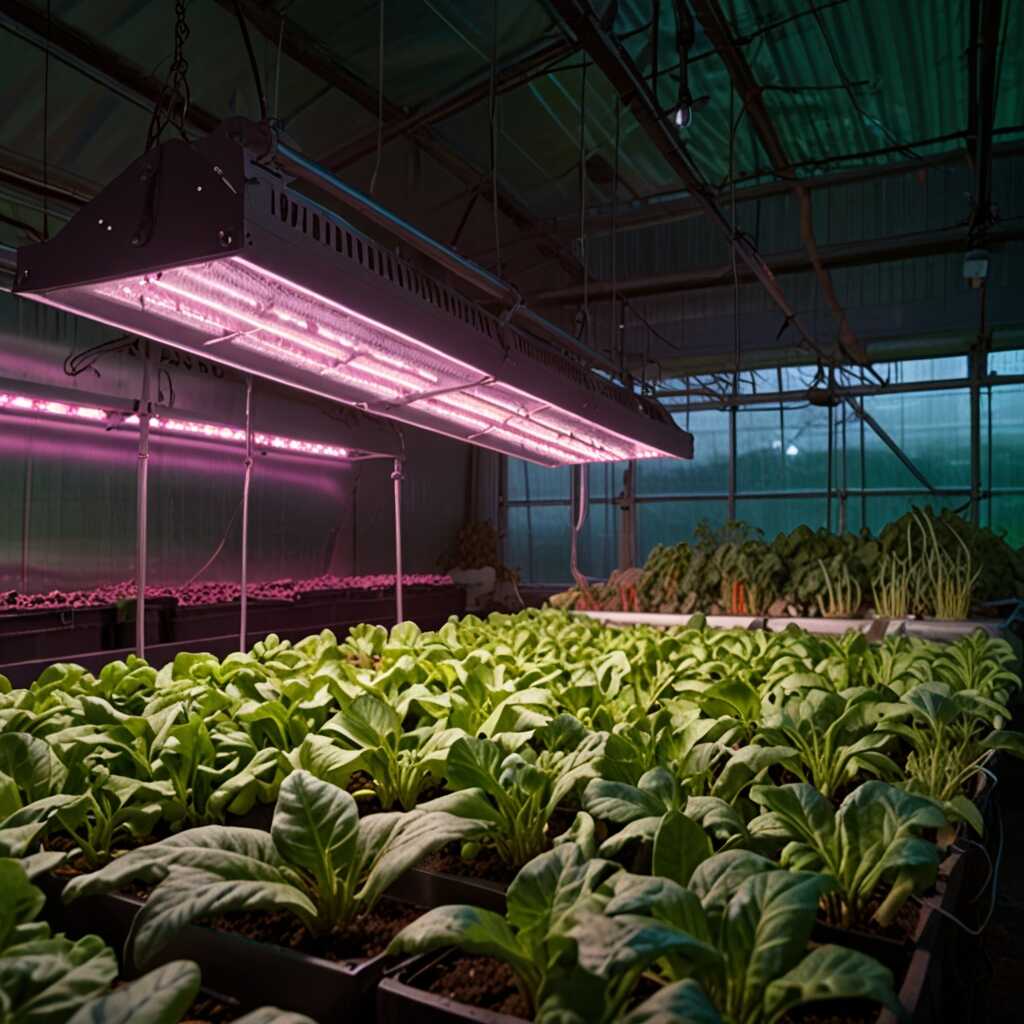
Common mistakes in grow light installation often include improper spacing, incorrect light type, and not adjusting the height properly. Indoor gardeners may install lights too far from plants, reducing light intensity and hindering growth. Users often overlook the specific light requirements for different plant categories, leading to inadequate lighting. The right spacing ensures adequate light distribution, improving indoor gardening success. For optimal performance, ensure grow lights are positioned correctly to provide the necessary light, and refer to the specific light spacing guidelines provided for each plant type to avoid these errors.
Understanding Optimal Light Spacing for Different Plants
Understanding optimal light spacing is crucial for maximizing growth. Different plants have unique light needs based on their growth stage. For instance, seedlings generally need grow lights placed 12 to 24 inches away. Mature plants may require spacing of 24 to 36 inches to prevent light burn. Adjustable fixtures can help adapt light distance as plants grow. Regularly check the plants for signs of insufficient light, such as stretched stems or pale leaves. Using quality LED lights can enhance efficiency and ensure prolonged light exposure tailored to each plant’s requirements.
Advantages of Proper Light Distribution
- Enhances photosynthesis, leading to faster plant growth.
- Improves crop yields and quality through consistent light coverage.
- Reduces the risk of diseases by ensuring even light exposure.
- Supports diverse plant categories, allowing for an efficient growing setup.
- Lowers energy consumption, which saves money in the long run.
- Minimizes heat build-up, preventing plant stress and damage.
- Encourages robust root development by providing optimal conditions.
Choosing Eco-Friendly Grow Light Solutions
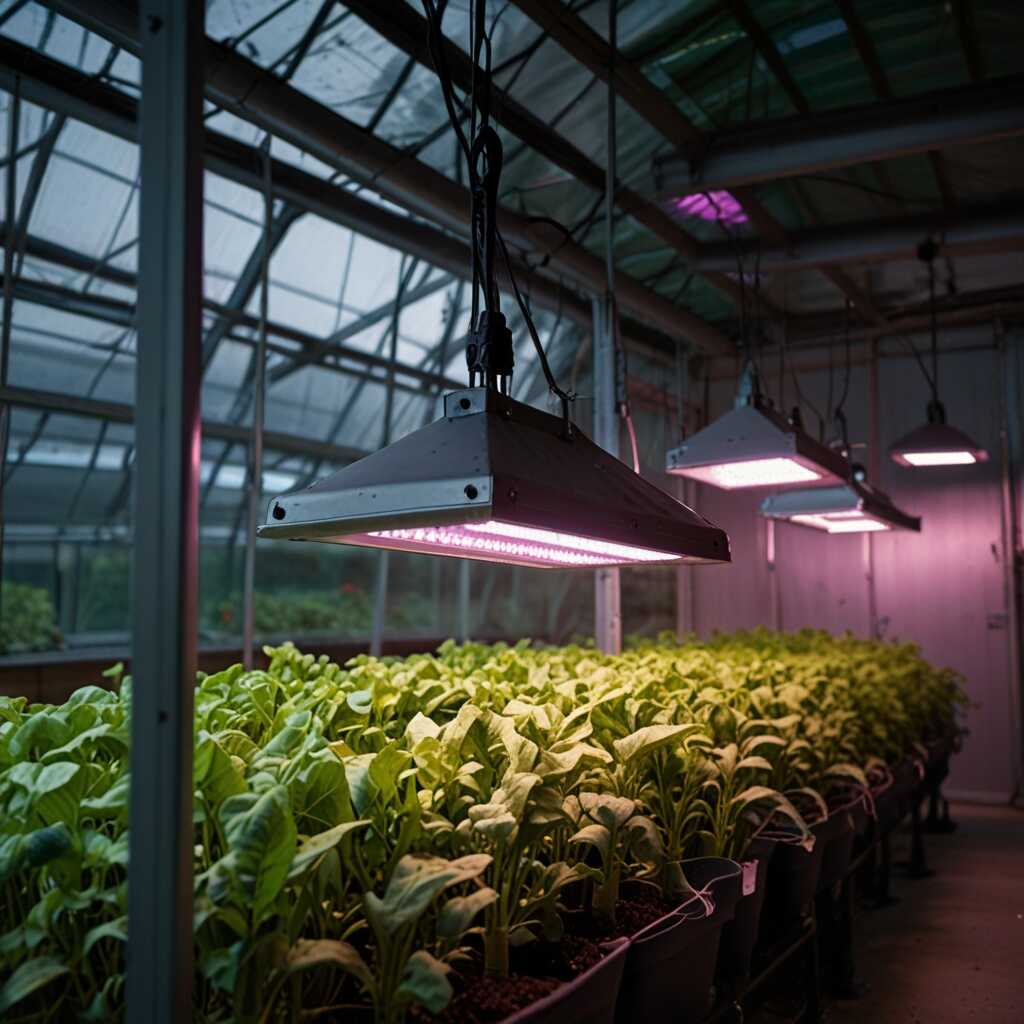
Using eco-friendly grow lights in greenhouses offers multiple benefits, such as reduced energy consumption, improved plant growth, and lower heat output. LED grow lights are a popular choice, as they provide a full light spectrum suitable for various greenhouse plant categories. Brands like Philips and Sunblaster offer energy-efficient solutions designed for gardeners committed to sustainable practices. This reliability makes them ideal for both novice and experienced greenhouse owners, helping to optimize growth conditions while promoting eco-conscious living.
Understanding Light Spectrum Options for Greenhouse Plants
Different greenhouse plants require specific light spectrums for optimal growth and blooming. LED grow lights, particularly those with full-spectrum capabilities, provide a balance of blue and red wavelengths. Blue light promotes vegetative growth, while red light supports flowering and fruiting. When selecting grow lights, consider models with adjustable spectrums to cater to varying plant types. Research shows that using the correct light spectrum can significantly enhance plant health and yield. This understanding is essential for successfully cultivating a variety of plants in your greenhouse.
The Impact of Full Spectrum Lighting on Plant Health
Full spectrum lighting provides significant benefits for plant growth. It ensures that plants receive the right light wavelengths needed during different growth stages. For instance, blue light (400-500nm) is essential for vegetative growth, while red light (600-700nm) facilitates blooming and fruiting. This combination enhances photosynthesis efficiently, which in turn boosts plant health. Studies show that plants exposed to full spectrum light can experience faster growth and better yields. Essential wavelengths promote respiration and nutrient uptake, significantly increasing a plant’s overall development.
Enhancing Greenhouse Efficiency with Full Spectrum Lights
Utilizing full spectrum lights in your greenhouse greatly enhances operational efficiency. These lights mimic natural sunlight, providing a balanced spectrum crucial for various plant types such as tomatoes, lettuce, and herbs. Research indicates that a light spectrum containing 65% blue and 35% red promotes healthy photosynthesis, leading to quality yield increases. In greenhouses, proper light wavelengths can improve the growth rate by 20% to 30%. Incorporating efficient lighting solutions not only maximizes growth but also reduces energy consumption, making it a reliable choice for eco-conscious gardeners.
Demographics Interested in Efficient Lighting Solutions
- Novice gardeners benefit from proper spacing, simplifying growth processes.
- Indoor plant enthusiasts seek efficient setups for a variety of plant species.
- Eco-conscious consumers look for sustainable, energy-saving lighting options.
- Commercial growers require precise calculations for maximizing productivity.
- Urban dwellers favor indoor gardening to enhance living spaces.
- Schools and educational programs utilize grow lights for STEM learning.
- Environmental advocates push for eco-friendly solutions that cut energy use.
Evaluating Plant Growth Responses to Light Adjustments
To evaluate plant responses to different grow light setups, monitor growth rate, leaf color, and overall health. Record any changes in height and the number of new leaves after adjusting the grow light distance or spectrum. Use a light meter to measure intensity and ensure plants receive optimal light. Changes in color, such as yellowing leaves, can indicate insufficient light. Additionally, performing a light sensitivity test helps determine the best grow light adjustments to enhance plant growth.
Impact of Light Spectrum on Specific Plants
The effects of specific light spectrums on plants like tomatoes, peppers, and herbs are significant. For tomatoes, a higher red light spectrum promotes fruitful growth. Peppers thrive in a balanced spectrum that includes both red and blue light for vigorous foliage and fruit development. Herbs generally respond well to a full-spectrum light, promoting balance in growth and flavor. This information is essential for optimizing the grow light adjustments in your greenhouse. Understanding these nuances in light spectrum impact helps ensure that your plants reach their full potential.