
Understanding light wavelengths for growth in greenhouses is essential for any successful indoor gardening venture. Different wavelengths play unique roles in plant development, affecting growth rates and health. At Green Writer, we aim to clarify how light absorption varies among plant species to enhance your gardening success. This knowledge will empower greenhouse operators and plant enthusiasts to choose the right lighting for their indoor gardens.
Role of Light in Enhancing Plant Growth and Health
Light is essential for plant growth. Plants utilize light wavelengths during photosynthesis to convert light energy into chemical energy. Different wavelengths impact plant health significantly. For example, blue light (400-500nm) encourages vegetative growth and strong stems. Red light (600-700nm) helps with flowering and fruiting. Understanding these wavelengths helps gardeners choose suitable lighting for various plant species. Each species has its specific light requirements that must be considered to maximize growth and health.
Understanding Light Spectrum for Optimal Growth
The optimal light spectrum for plant growth typically ranges from 400 to 700nm, covering both blue and red wavelengths. Research shows that using LED grow lights can effectively deliver this spectrum. These lights ensure efficient energy use and long lifespan, making them ideal for indoor gardening. For example, tomatoes absorb more red light during flowering, while leafy greens thrive under blue light. By adjusting lighting conditions based on these needs, indoor gardeners can enhance overall plant health and yield effectively.
Exploring Light Wavelengths and Their Effects on Plants
Different light wavelengths play a vital role in plant growth and health. Plants primarily absorb red (around 660 nm) and blue (around 450 nm) wavelengths. This absorption enhances photosynthesis, which is essential for converting light energy into chemical energy. In plants, red light promotes flowering and fruiting stages, while blue light supports healthy leaf and stem growth. These wavelengths are crucial for maximizing growth efficiency. Moreover, green wavelengths (around 520 nm) are less absorbed, which explains why plants appear green. Understanding light wavelengths helps in selecting optimal lighting for greenhouse environments and improving overall plant well-being.
Understanding Plant Response to Specific Light Colors
Plants respond uniquely to different colors of light, which directly influences their growth stages. Red light enhances flowering and fruit development, while blue light is crucial for vegetative growth, improving leaf size and strength. They absorb these specific wavelengths most effectively, contributing to robust growth. Using a full spectrum light source that mimics natural sunlight will provide plants with a balanced light environment. This ensures that all stages of growth receive the appropriate light, improving overall plant health. Growers seeking to maximize yields should focus on integrating both red and blue lighting in their setups.
Photosynthesis Explained in Relation to Light Wavelengths
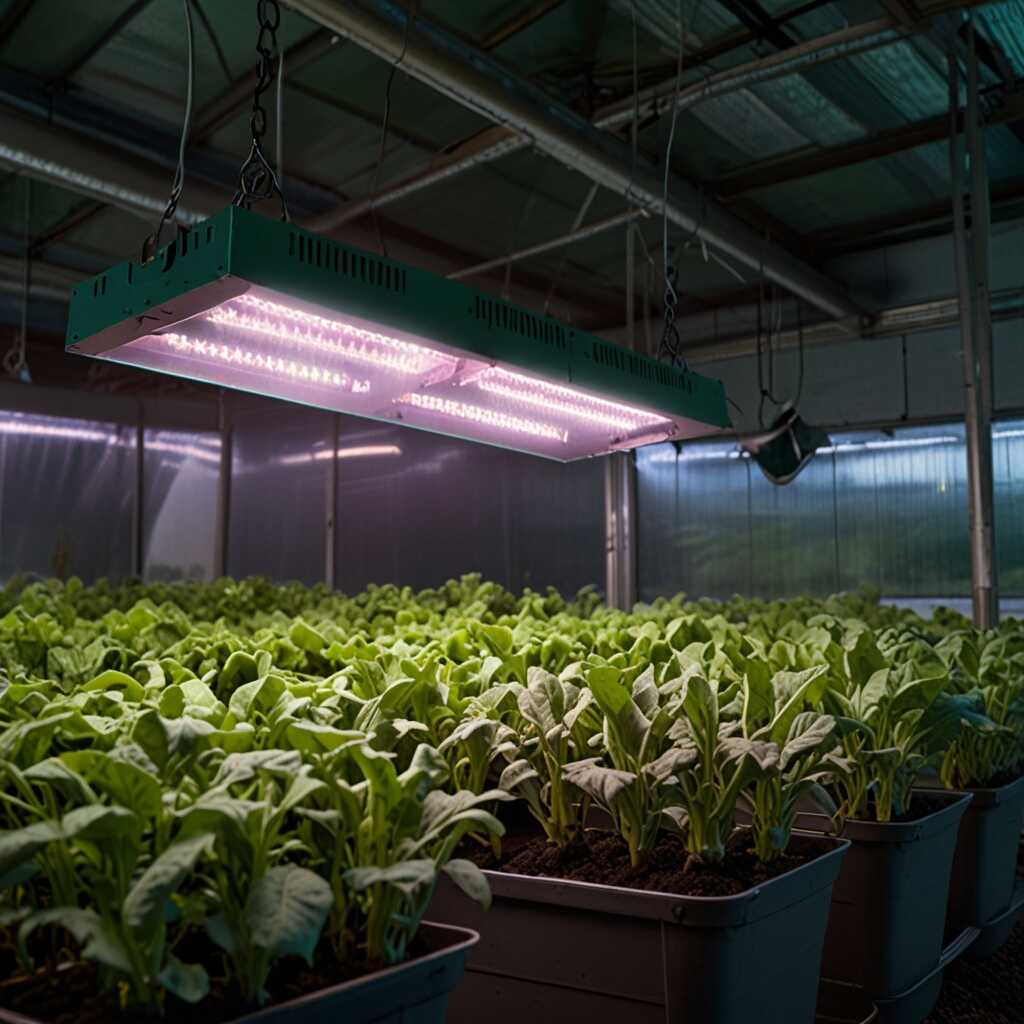
Light wavelengths significantly influence the photosynthesis process. Photosynthesis harnesses light energy to convert carbon dioxide and water into glucose and oxygen. Different plant varieties absorb specific wavelengths more efficiently. The blue light spectrum (around 400-500 nm) primarily drives vigorous vegetative growth, while red light (600-700 nm) is crucial for flowering and fruiting. The optimal wavelengths for photosynthesis range from 400 nm to 700 nm, encompassing both blue and red light. Reliable studies show that utilizing full spectrum lights effectively support these absorption patterns, ensuring optimal growth in various indoor gardening scenarios.
Understanding the Optimal Light Spectrum for Various Plants
The optimal light spectrum varies among plant species, greatly influencing their growth and yield. Plants like leafy greens thrive best under more blue light, while fruit-bearing plants benefit from a balanced ratio of red light during their flowering stages. Research indicates that a light blend featuring both blue (450 nm) and red (660 nm) wavelengths enhances plant growth and overall health. Using LED grow lights designed for full spectrum illumination can effectively match these needs. Such tailored lighting setups ensure plants receive the precise combination of wavelengths that facilitate robust photosynthesis, ultimately leading to successful indoor gardening.
Numerical Insights on Light Spectra for Plant Health
- Plants absorb light best between 400-700nm wavelengths.
- Photosynthesis can increase by 25% with optimal light wavelengths.
- Red light (around 660nm) boosts flowering stages in many varieties.
- Blue light (around 450nm) enhances vegetative growth in plants.
- The ideal light duration for most plants ranges from 12-16 hours daily.
- LED grow lights can last over 50,000 hours, providing long-term benefits.
- Using full spectrum lights can improve plant health and yield significantly.
Popular Greenhouse Plants and Their Unique Light Needs
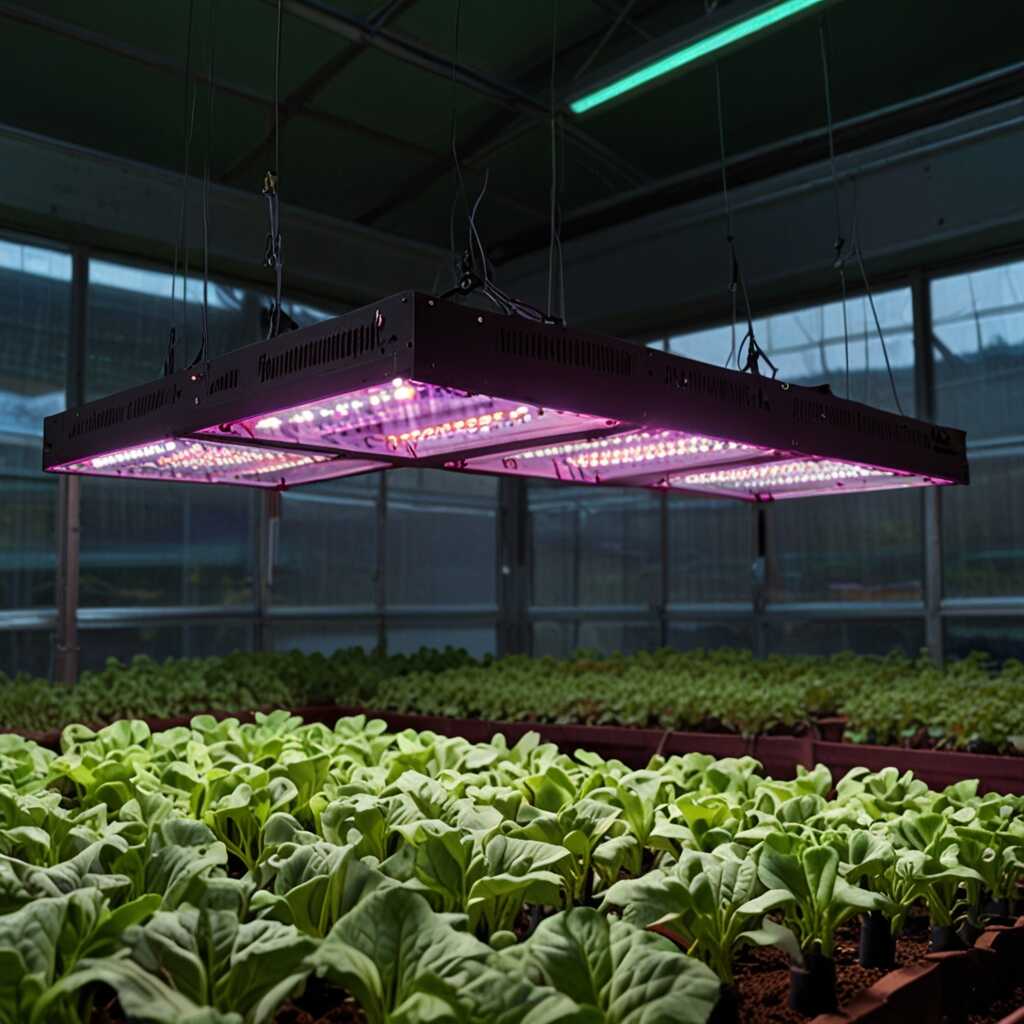
Understanding the light absorption requirements of popular greenhouse plants helps optimize their growth. Tomatoes thrive in full-spectrum light, requiring exposure to wavelengths between 400-700nm. Bell peppers also prefer similar conditions but benefit from slightly more blue light for robust vegetative growth. Basil absorbs red and blue light efficiently, enhancing its aromatic leaves. Herbs like parsley and cilantro adapt well to moderate light exposure. Indoor gardening techniques like these ensure all plants receive their essential light needs for optimal growth.
Optimal Growth Conditions for Specific Greenhouse Plants
Specific greenhouse plants require distinct light exposure times to flourish. Lettuce thrives best with 12-16 hours of light daily and enjoys cooler temperatures, making it suitable for greenhouse environments. Herbs like basil, parsley, and cilantro usually need around 10-14 hours of light per day for robust growth. Using full-spectrum LED grow lights can enhance photosynthesis in these plants. These lights provide the reliability necessary for ensuring healthy development and maximize yield effectively. Choosing the right light source is crucial for achieving very good results in your greenhouse.
Benefits of Using LED Grow Lights for Plant Cultivation
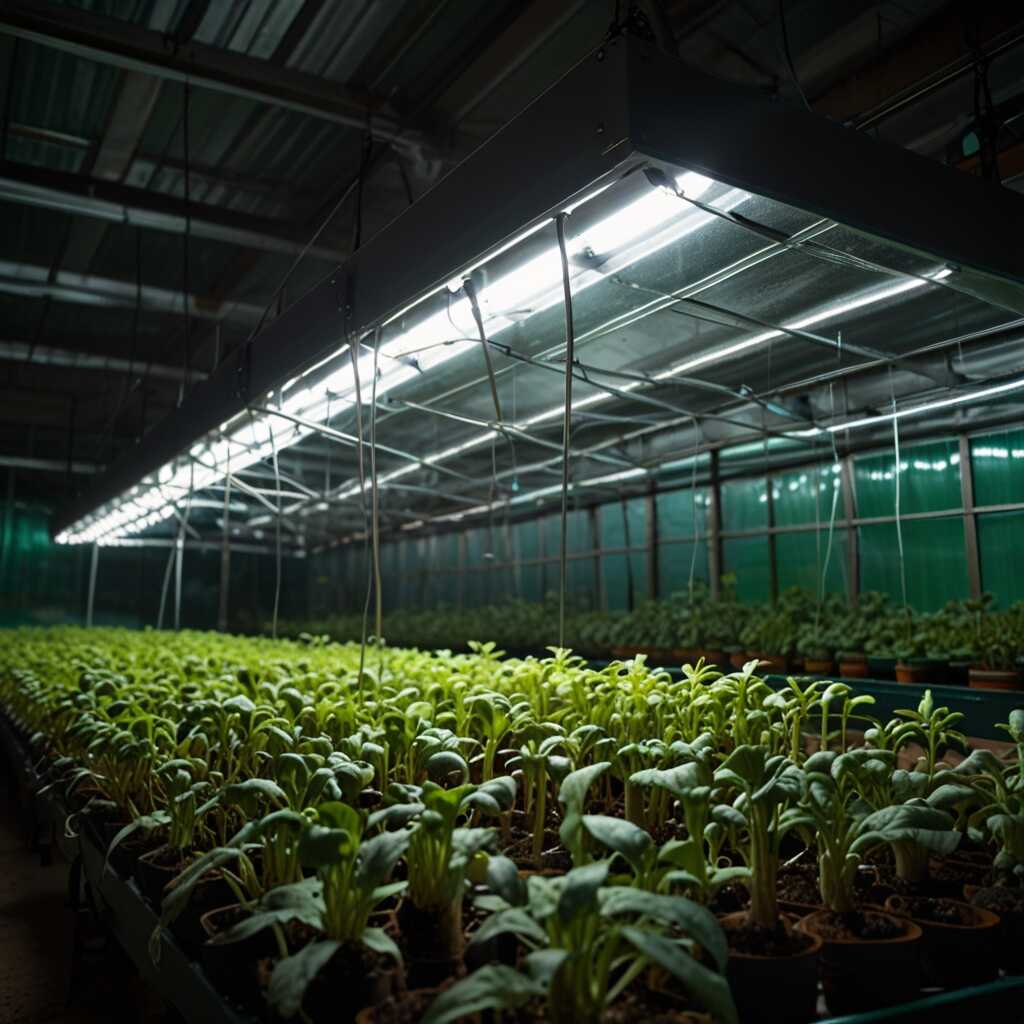
LED grow lights provide significant benefits for indoor gardening. They are energy-efficient and can reduce electricity costs by up to 75% compared to traditional lighting. A wide spectrum of light wavelengths is available in LED technology, allowing for targeted growth during various plant growth stages, such as seeding, vegetative, and flowering phases. The reliability of LED grow lights provides an excellent option for all types of plants, including those sensitive to light changes. Tests show that plants exposed to specific wavelengths can enhance photosynthesis, leading to faster growth and higher yields. Additionally, LED grow lights have an average lifespan of 50,000 hours, much longer than traditional bulbs, ensuring quality performance over time.
Understanding Light Wavelengths and Their Impact
Understanding light wavelengths is crucial for maximizing plant health and growth. Different wavelengths, ranging from blue (400-500 nm) to red (600-700 nm), correspond to specific growth stages. Blue light promotes healthy leaf development, while red light encourages flowering and fruiting. LED grow lights designed with a full spectrum can deliver all essential wavelengths, helping gardeners achieve optimal growth conditions. Research indicates that green light, previously thought less effective, helps with plant respiration. Plants like tomatoes and peppers thrive under specific red-to-blue ratios, enhancing crop yield. Using LED technology, gardeners can easily adjust light spectrums based on plant requirements, ensuring robust growth throughout the year.
Advantages of Tailoring Light Wavelengths for Growth
- Improved photosynthesis leads to faster growth rates in plants.
- Different plants thrive at specific wavelengths, enhancing absorption.
- Boosting red spectra aids flowering, increasing harvest outcomes.
- Using focused light help reduces energy consumption in greenhouses.
- Healthier plants enhance indoor air quality and aesthetic value.
- Customized lighting solutions support diverse plant varieties effectively.
- Light regulation prevents leggy growth, promoting sturdier plants.
Natural Vs. Artificial Light: Which is Better for Plants?
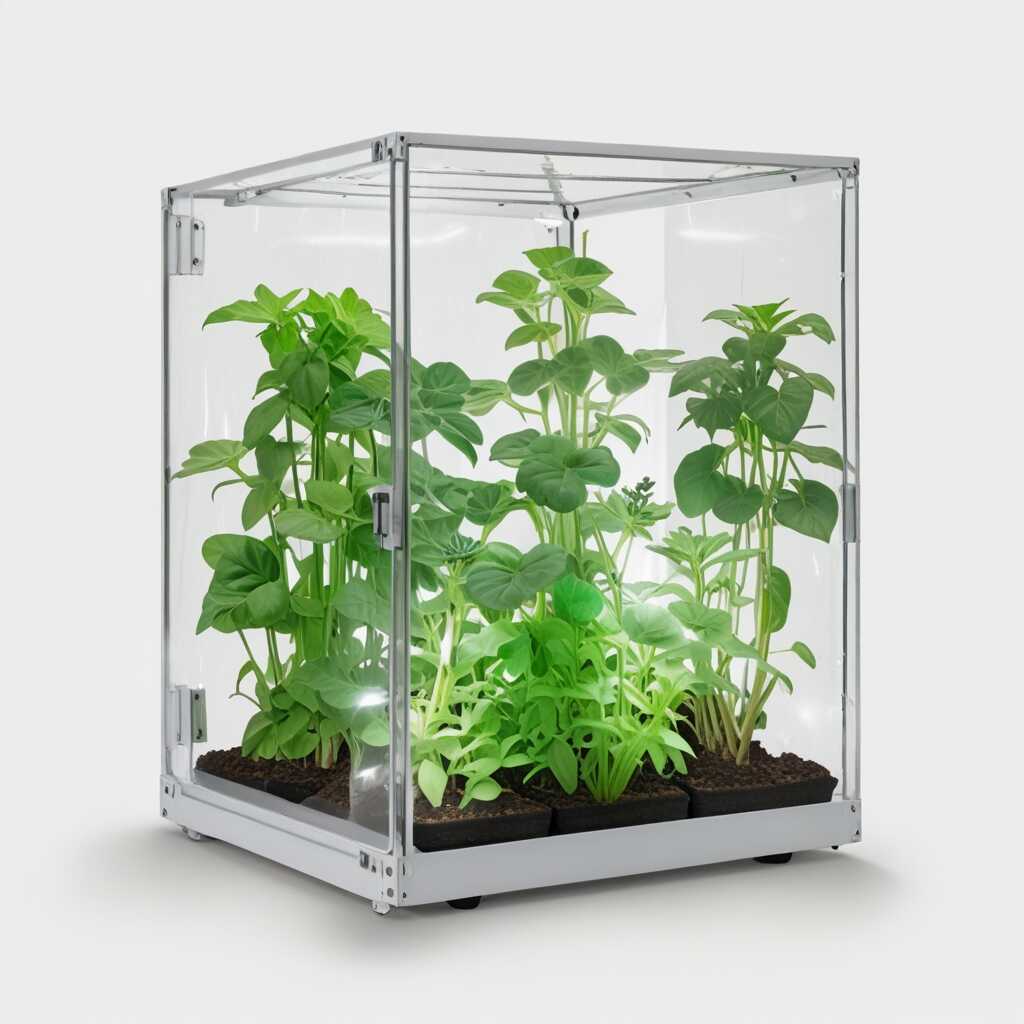
Natural sunlight provides full-spectrum light essential for photosynthesis, nourishing plants more authentically. However, artificial lighting offers flexibility and specific wavelengths tailored for growth. LED bulbs are often favored because they produce less heat and offer energy efficiency. The best artificial lights can effectively mimic sunlight, boosting growth in low-light conditions and extending growing seasons. Successful indoor gardening usually combines both lighting types for optimal results.
Understanding Light Duration Needs for Indoor Plants
Indoor plants generally require 12 to 16 hours of light daily for optimal growth. Some varieties, like succulents and cacti, thrive with about 10 to 12 hours. A reliable schedule is essential to ensure your plants receive the proper light duration for maximum photosynthesis and overall health. Research indicates that inconsistent light exposure can stunt growth or cause stress. Utilizing timers helps in maintaining a consistent light cycle.
Techniques for Measuring Light and Selecting Grow Lights
Measuring light intensity in greenhouses can be achieved using a light meter, which provides reliable readings in μmol/m²/s. This measurement is essential for determining the right light conditions for specific plants. Various grow light technologies, such as LED, HID, and fluorescent lights, have unique features. LEDs are efficient and long-lasting, while HIDs are powerful but generate heat. Testing often reveals that vegetables thrive under 200-400 μmol/m²/s, while flowering plants prefer around 400-600 μmol/m²/s. Ensuring the right light levels helps enhance overall plant health and growth.
Understanding Light Requirements for Different Plant Types
Different plants have varying light requirements based on their growth stages. Seedlings typically need lower light intensities around 100-200 μmol/m²/s, while established plants and flowering varieties thrive under higher intensities. For instance, leafy greens like lettuce adapt well to lower light, while fruiting plants like tomatoes flourish under higher light settings. Research highlights that full spectrum LED grow lights can provide the necessary support across various plant growth stages. This adaptability helps achieve impressive results in both home and commercial greenhouse settings.
Brands and Demographics Engaging with Light Technology
- LED grow light producers appeal to eco-conscious gardeners seeking efficiency.
- Fluorescent light brands cater to budget-friendly indoor plant maintainers.
- Commercial greenhouse operators prefer full spectrum lights for maximum yield.
- Hobbyist gardeners enjoy exploring varied growth possibilities with brands.
- Educational institutions implement light technology in plant science extensively.
- High-tech brands target farmers looking to scale up sustainable practices.
- Urban dwellers benefit from smart grow lights for limited indoor spaces.
Innovations in Sustainable Lighting Solutions for Greenhouses
Recent innovations in sustainable lighting solutions for greenhouses include LED technology and smart lighting systems. These advancements help growers manage energy costs while maximizing plant growth. LED lights, specifically designed for plant growth, offer a full spectrum of light that suits different growth stages, such as vegetative and flowering phases. New smart lighting systems adjust automatically based on the time of day and plant needs, enhancing efficiency. Quality brands like Green Writer provide reviews on these new technologies, helping users find reliable solutions to improve greenhouse management.
Choosing the Right LED Grow Lights
Selecting the right LED grow lights is essential for successful greenhouse gardening. Look for lights providing a full spectrum and high PAR (Photosynthetically Active Radiation) values. This ensures that plants receive adequate light for photosynthesis. Different varieties, like tomatoes and herbs, can show significant growth improvements under specific wavelengths emitted by these innovative grow lights. Aim for systems that offer adjustable light spectrums and intensity levels to meet individual plant needs. Research suggests that using advanced LED technology can reduce energy consumption by up to 50% by 2025, providing long-term benefits for both your plants and your electricity bills.