
The “Essential Guide to Photoperiodism and Grow Light Timing for Flowering Plants” helps you understand how light affects plant growth. Proper timing and photoperiodism are key for maximizing flowering potential in your greenhouse. At Green Writer, we explore how different lighting methods can enhance your indoor gardening experience. This guide provides practical tips for using grow lights effectively, ensuring your plants thrive while promoting sustainable care practices.
What is Photoperiodism and Why It Matters for Plants
Photoperiodism is the response of plants to the duration of light and darkness in their environment. This phenomenon is critical for flowering plants as it influences their growth, blooming, and fruit production cycles. Many flowering plants rely on specific light durations to trigger blooming. For instance, short-day plants bloom when days are shorter, while long-day plants bloom with longer daylight hours. Different plants can require various light durations, often ranging from 10 to 16 hours, for optimal growth.
How Light Duration Affects Plant Growth
Light duration directly impacts plant growth stages by affecting flowering time and overall health. The production of hormones like phytochromes plays a crucial role in determining when a plant should flower. Different types of flowering plants react distinctly to light, with some thriving on 14 to 16 hours of light, while others succeed on less than 12 hours. Proper timing of grow lights can enhance blooming by mimicking natural day lengths, ensuring plants receive the optimal lighting conditions they need for productive growth.
The Impact of Light Timing on Flowering Phases
Light timing plays a crucial role in determining the flowering phases of plants. Variations in light durations trigger different hormonal responses that can initiate flowering or prolong vegetative growth. For example, plants classified as short-day plants require longer darkness to flower, while long-day plants need extended light periods. Certain plants like chrysanthemums thrive under specific light conditions, proving that understanding light timing can enhance plant yield and health. This knowledge allows growers to implement effective greenhouse lighting strategies, ensuring optimal plant performance.
Understanding Photoperiodic Responses in Flowering Plants
Plants exhibit distinct photoperiodic responses to variations in light exposure, influencing their growth and flowering phases. For instance, short-day plants, such as poinsettias, require less than 12 hours of light to bloom effectively. Long-day plants, including spinach and lettuce, flourish with 14-16 hours of daily light. The use of full-spectrum LED grow lights can simulate these conditions, ensuring that plants receive the precise wavelengths needed for optimal growth. By closely monitoring light timing and adjusting exposure accordingly, greenhouse owners can significantly improve their plants’ health and productivity.
Choosing the Best Grow Lights for Flowering Plants
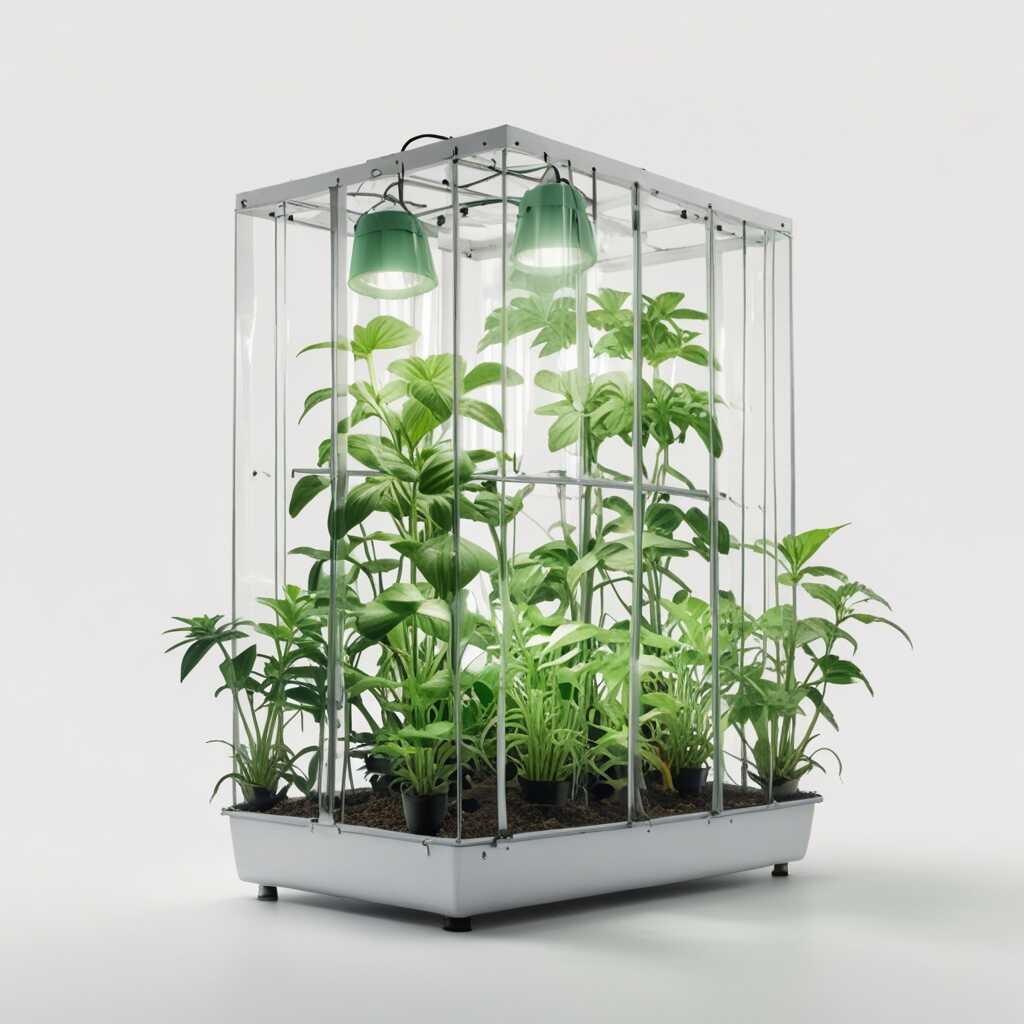
The different types of grow lights for flowering plants include LED, fluorescent, incandescent, and HID lights. LED grow lights are popular for their energy efficiency, long lifespan, and quality spectrum distribution. Fluorescent lights are affordable and effective for small spaces. Incandescent lights are less efficient, generating more heat and less usable light. HID lights deliver high-intensity light, suitable for larger grows but increase energy consumption. Each type offers unique benefits that enhance the flowering stage. Light spectrum is crucial for achieving optimal growth outcomes. Flowering plants thrive under specific wavelengths, particularly in the red and blue spectrum. These wavelengths help stimulate blooming and improve yield. Research shows that the right light spectrum improves flower quality and size, ensuring healthy plants.
Optimal Light Spectrum for Flowering Plants
The optimal light spectrum for flowering plants includes wavelengths between 400-700nm. Red light (610-720nm) promotes flowering and fruiting. Blue light (450-495nm) supports vegetative growth. Combining red and blue light enhances growth and increases yields. Quality LED grow lights provide full spectrum coverage, facilitating this combination. Research indicates that using the right spectrum can increase yield by up to 30%. This is essential for both indoor gardening enthusiasts and commercial growers. By choosing lights designed for specific growth stages, you enhance the overall health and productivity of flowering plants.
Key Numerical Insights for Plant Light Management
- 12 to 18 hours of daily light benefits flowering plants.
- Photoperiod triggers flowering in plants by varying light exposure.
- 0% to 100% light intensity can affect plant growth outcomes.
- Plants need at least 6 hours of darkness to initiate flowering.
- Growth rates can increase by up to 25% with optimized lighting!
- Different species may require specific light wavelengths between 400-700nm.
- Most indoor plants thrive best at temperatures between 70°F – 85°F during lighting hours.
Creating an Effective Grow Light Schedule for Success
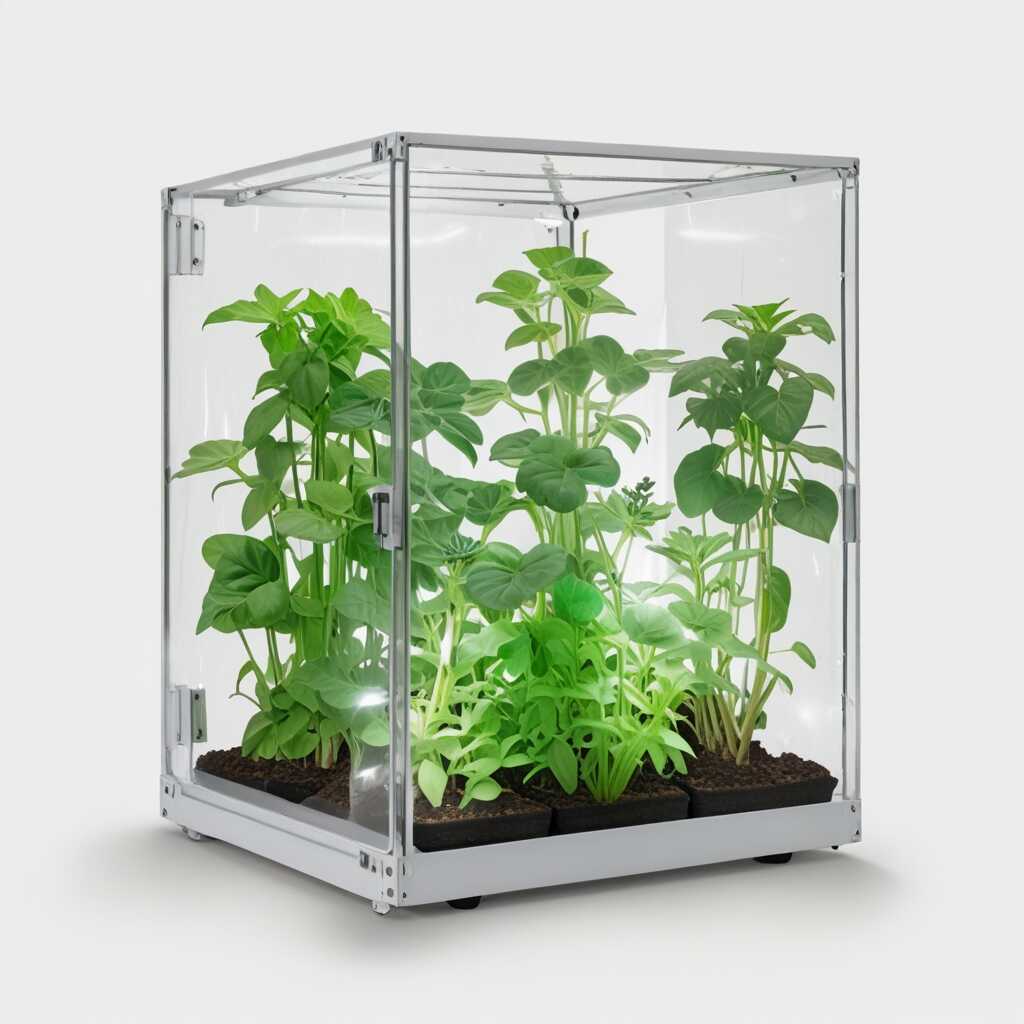
To establish a grow light schedule for flowering plants, consider using a consistent day/night cycle. Aim for 12-16 hours of light each day for optimum growth. For plants like tomatoes and peppers, a full spectrum light is essential for healthy flowering. The timing should align with the plant’s natural rhythms to optimize energy efficiency. Testing your grow lights can show how they perform over time. This helps ensure durability and reliability for your plants. Using timers can enhance the schedule’s consistency and improve overall plant health.
Understanding Light Spectrum Effects on Flowering Plants
The light spectrum significantly impacts flowering plants. Plants primarily use red and blue light for photosynthesis and growth. Red light promotes flowering, while blue light supports vegetative growth. For example, tomatoes thrive under red light during flowering, which enhances fruiting. Similarly, orchids benefit from a balanced light spectrum, which encourages bloom cycles. Choose full spectrum LED grow lights to deliver the right balance. This will maximize growth potential, resulting in healthier flowers and better yields.
Avoiding Common Pitfalls with Grow Light Applications
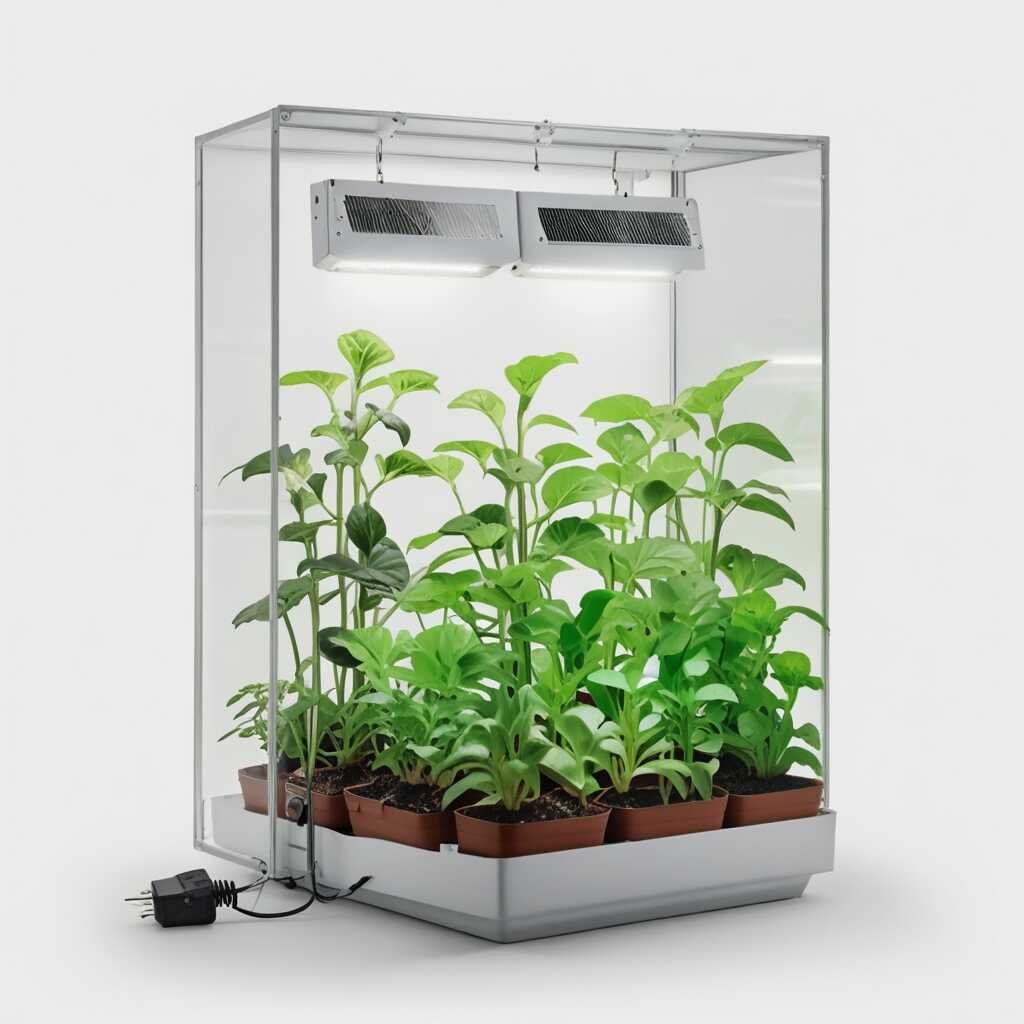
Many indoor gardeners make mistakes that hinder plant growth. Common pitfalls include using grow lights that are too dim or overly bright for specific flowering plant types. Incorrect placement of grow lights can cause uneven light distribution, leading to poor flowering results. Light intensity variations can also affect plants differently; some may thrive under bright light while others prefer indirect light. It is essential to ensure growers provide the correct duration of light exposure, typically ranging from 12 to 16 hours daily for optimal growth. Regularly reviewing and adjusting these factors can greatly enhance plant health and productivity.
Understanding Light Intensity Variations for Flowering Plants
Different flowering plant types have varying needs for light intensity and duration. For example, high-light plants like orchids require more intense grow light, often benefiting from about 14 to 16 hours of exposure daily. In contrast, low-light plants such as peace lilies thrive with only 12 hours of light. Using grow light efficiency assessments, you can determine how far to position the lights without causing light burn. Understanding these specific needs ensures that your plants receive necessary light levels without stress, improving overall flowering health.
Advantages of Optimized Light Timing for Flora
- Boosts flowering in plants with precise light schedules.
- Encourages healthier growth through balanced light exposure.
- Improves plant resistance to pests and diseases over time.
- Ensures uniform flowering and fruit sets across plants.
- Enables year-round cultivation for seasonal flowers.
- Reduces energy usage with efficient light timing strategies.
- Supports sustainable practices in commercial plant growing businesses.
Enhancing Energy Efficiency in Indoor Lighting Systems
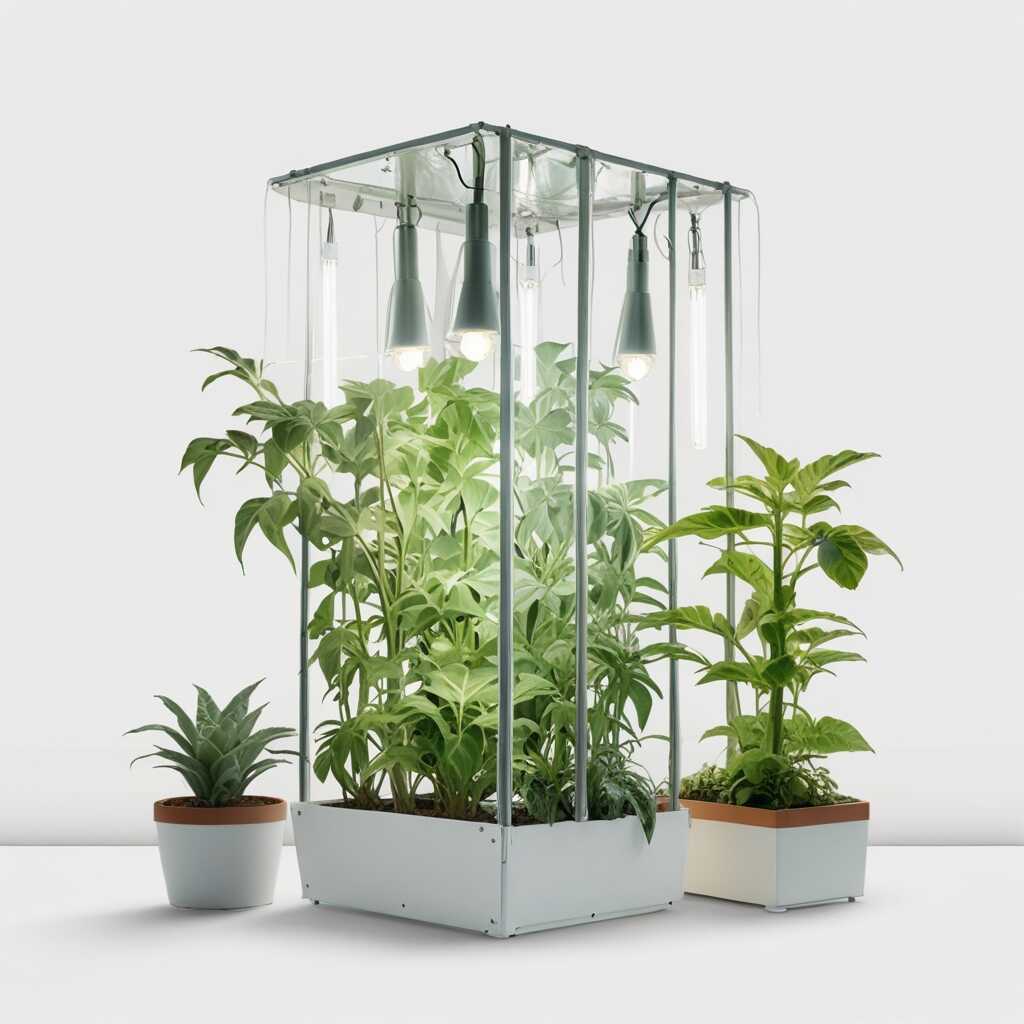
Maximizing energy efficiency with grow lights requires understanding several key factors. Start by selecting energy-efficient practices, such as using LED grow lights, which consume less power than traditional options. Compare different grow light types, as some, like fluorescent or HID lights, use more energy than their LED counterparts. Also, ensure proper placement of lights to minimize energy wastage. This includes using timers and dimmers to regulate light exposure based on plant needs, thus enhancing robust plant growth while reducing energy costs. Studies show that LED grow lights can provide up to 80% energy savings compared to traditional lighting, significantly reducing your electricity bills.
Choosing the Right Grow Light for Energy Efficiency
Selecting the right grow light is essential for energy efficiency. LED grow lights are designed for low energy use while providing full-spectrum lighting needed for various growth stages. They have a lifespan of over 50,000 hours, reducing replacement costs and waste. Research shows that using higher quality LED systems improves photosynthesis efficiency and plant health, leading to faster growth rates. By reviewing different brands and models and comparing their energy consumption, growers can make informed decisions that support sustainable indoor gardening solutions.
Connecting Grow Light Timing to Sustainable Gardening
Enhancing sustainability through grow light timing includes using energy-efficient LED systems. These systems help reduce energy consumption and lower costs. The use of proper timing allows for optimal growth cycles, which mitigate the need for excess water and fertilizers. Efficient grow light practices also minimize light pollution. Sustainable gardening sees responsible light management leading to healthier plants and reduced environmental impact. Home gardeners can optimize their energy use while benefiting their indoor plants.
Understanding Grow Light Efficiency and Its Environmental Impact
Grow light efficiency is critical for reducing energy consumption in indoor gardening. Efficient systems, particularly LED lights, consume less energy. These lights maintain a lifespan exceeding 50,000 hours. Many studies reveal that LEDs use about 50% less energy than traditional light sources. They also provide a full spectrum of light needed for photosynthesis, translating to better flowering plant growth. By implementing these efficient lighting solutions, gardeners can significantly lower their carbon footprint while ensuring healthy, thriving plants.
Common Use Cases for Light Management Techniques
- Home gardeners seek better blooms and fruiting results.
- Greenhouse owners optimize productivity for seasonal sales.
- Students study plant biology and light effects on growth.
- Commercial growers unlock year-round planting schedules.
- Indoor horticulturists create therapeutic green spaces.
- Sustainability advocates experiment with energy-efficient solutions.
- Farming communities learn about eco-friendly cultivation methods.
Evaluating Plant Growth and Making Adjustments
Assessing plant growth involves regularly checking for signs of health, such as leaf color and flower development. Light intensity, duration, and spectrum significantly affect growth. Tools like a light meter can help measure light levels accurately. Look for an even spread of light across all plants. Evaluating grow light performance requires comparing brands, fixtures, and light spectrums. Gather data from user reviews to understand reliability and efficiency. This information helps make informed decisions for your greenhouse. To optimize flowering, adjust the timing of grow lights based on plant response, typically adhering to a daily cycle of 12 to 16 hours of light followed by dark periods to stimulate flowering.
Best Practices for Monitoring Plant Growth Progress
Using tools like a pH meter and moisture sensor can provide valuable data about plant health. Regularly measure nutrient levels in the soil and keep track of growth rates. Document changes in leaf size and flower production to understand the effectiveness of adjustments. Comparing different grow lights is essential for determining which ones deliver the best results. Consider light spectrum needs, as different stages in flowering may require varying wavelengths. For example, increasing blue light can enhance vegetative growth, while red light supports flowering. These monitoring practices improve your overall indoor gardening experience, ensuring plants flourish in optimal conditions.