
Understanding how LED light spectrums impact greenhouse plant growth is crucial for indoor gardeners. Different light wavelengths can significantly affect plant health and development. At Green Writer, we focus on helping you choose the right lighting to optimize your indoor gardening practices. By utilizing LED lights, you can improve plant growth while being environmentally friendly.
Understanding Plant Growth and Light Requirements
Understanding the key factors that influence plant growth is essential for optimizing indoor gardening practices. Light quality, intensity, and duration play crucial roles in photosynthesis enhancement, which is vital for plant development. Different light spectrums can benefit various types of plants. For example, blue light enhances vegetative growth, while red light promotes flowering and fruiting. A common guideline is that most plants require about 12 to 16 hours of light daily for optimal growth. This ensures that they receive enough light to support photosynthesis, thereby improving their overall health and yield.
Types of Light Spectrums and Their Effects on Plants
Different types of light spectrums can significantly affect plant growth. Blue light, typically in the 400-500 nm range, is essential for robust leaf and stem development. It supports chlorophyll production, crucial for photosynthesis. Red light, ranging from 600-700 nm, plays a vital role in stimulating flowering and fruiting. Some grow lights also include green light, although plants reflect it more and use it less efficiently. Full-spectrum lights incorporate a combination of wavelengths to cater to different growth stages of plants, making them versatile for indoor gardening. Utilizing combinations of these light spectrums in your setup can lead to healthier plants that respond well to their environment, ensuring better yield and growth.
Exploring Different LED Light Spectrums
LED grow lights come in multiple types, each designed to emit specific wavelengths that cater to plant needs. Full spectrum lights, for example, provide light across a broad range of wavelengths (400-700nm), supporting all growth stages from germination to flowering. Cool white LEDs enhance vegetative growth with high blue light output, while warm white LEDs focus on flowering stages with red wavelengths. Understanding these light spectrum types is essential for optimizing indoor plant development. It helps gardeners select the right LED light for their specific plants. The optimal wattage for LED lights typically ranges from 20 to 50 watts per square foot, ensuring that plants receive adequate light intensity.
Matching Light Spectrums to Specific Plant Needs
Choosing the correct light spectrum is crucial for meeting specific plant requirements. For instance, seedlings thrive under high blue wavelengths (450-470nm) that mimic natural sunlight and help with robust growth. During flowering, the red spectrum (600-660nm) becomes important, triggering blooming and fruiting. Some LED grow lights offer adjustable spectrums, allowing gardeners to customize the lighting environment for multiple growth stages. This adaptability enhances the greenhouse’s efficiency, ensuring that plants receive exactly what they need for optimal growth. With consistent testing and research, garden enthusiasts can achieve impressive results using the right LED grow light.
Impact of Light Wavelengths on Plant Physiology
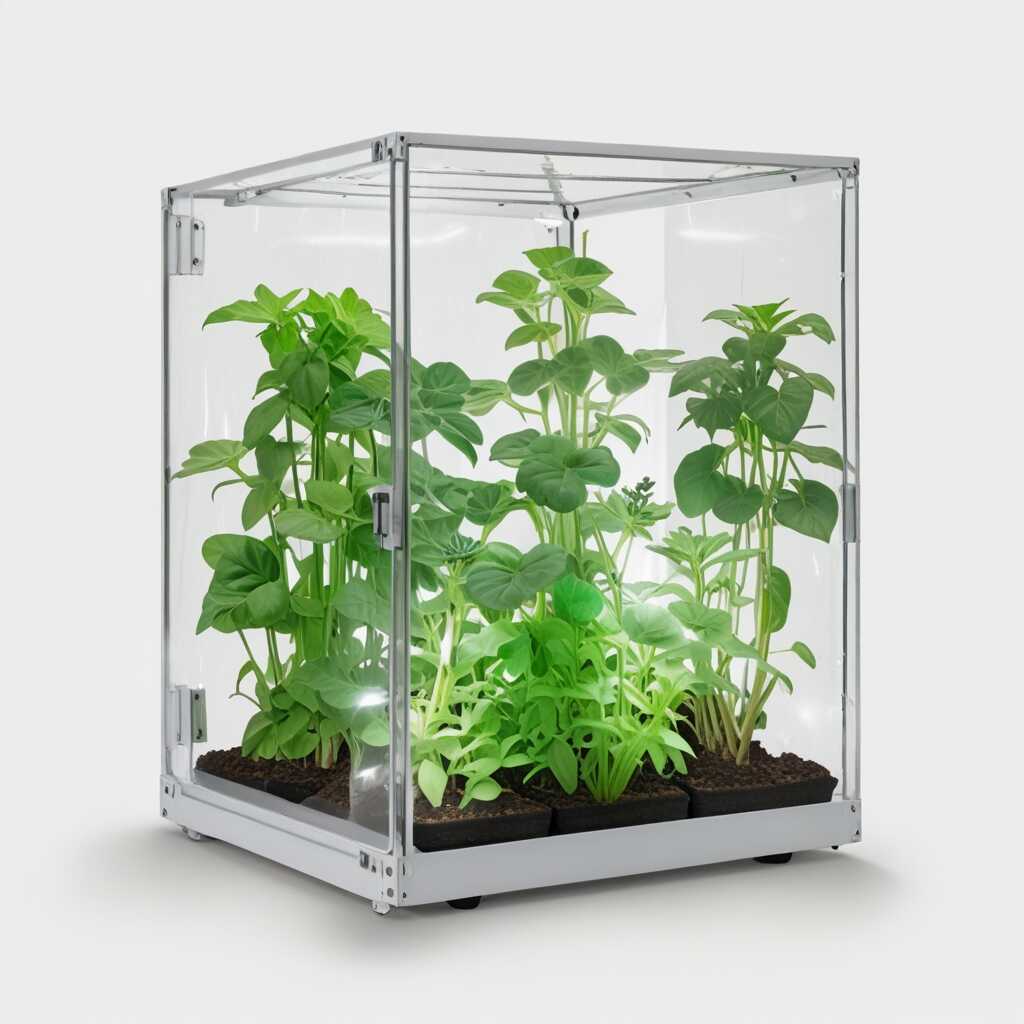
Plants utilize different light wavelengths primarily for photosynthesis and other physiological processes. The blue light spectrum (400-500 nm) enhances chlorophyll production and stimulates vegetative growth. The red light spectrum (600-700 nm) is crucial for flowering and fruiting. These responses enable plants to adapt to various light conditions. Certain species, such as tomatoes and peppers, thrive under these specific wavelengths, maximizing their growth potential. Research shows that a full spectrum light can improve plant health by combining these essential wavelengths. The optimal light spectrum range for flowering is between 600 to 700 nm, ensuring robust reproductive development.
Understanding the Role of Blue and Red Light in Plant Development
Blue light primarily contributes to leaf development, cellular structure, and photosynthesis efficiency. It helps plants establish a sturdy structure with healthy foliage. Red light is vital for flowering, seed production, and fruit ripening. When combined, these wavelengths ensure balanced growth and optimal yields. For instance, growers using LED systems that provide a balanced spectrum of blue and red light report impressive vegetative health and abundant flowering. Research indicates that a light spectrum focused on blue and red wavelengths can enhance plant growth rates significantly, maximizing yield and quality.
Key Numerical Insights on Light Wavelengths for Plant Growth
- 400-500 nm light promotes healthy vegetative growth in plants.
- 600-700 nm light helps enhance flowering and fruiting stages.
- Different light colors impact chlorophyll production significantly.
- Plants can respond to light changes within minutes.
- LED grow lights typically last over 50,000 hours.
- Using full spectrum lights can increase crop yields by 20% or more.
- Specific wavelengths can reduce energy consumption by 30% in greenhouses.
Advantages of LED Grow Lights for Greenhouses
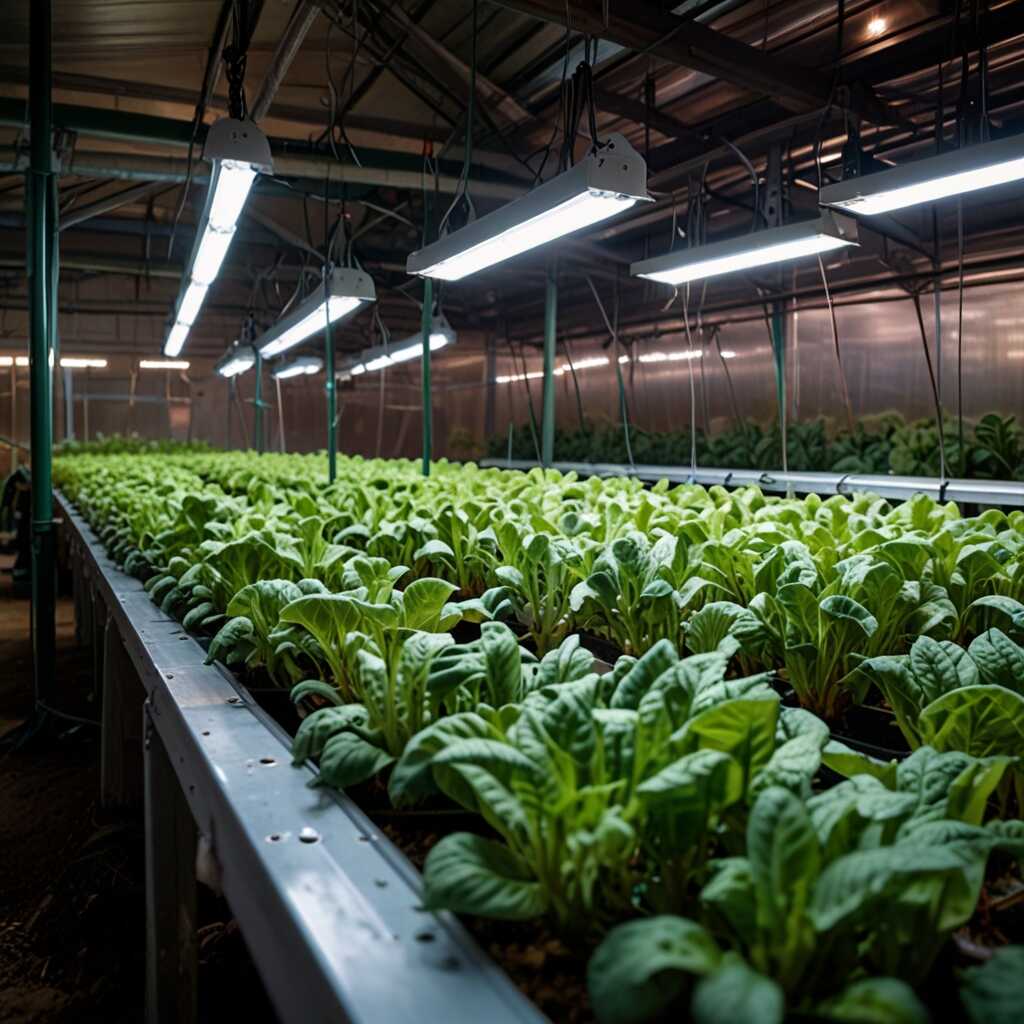
LED grow lights offer remarkable energy savings compared to traditional lighting options. They reduce electricity costs by up to 50% and are designed to last longer, often exceeding 50,000 hours. This durability means fewer replacements, making them cost-effective and reliable. Moreover, LED grow lights adapt easily to various plant growth stages. They can emit specific light spectrums that enhance growth during seeding, vegetative, and flowering phases. Plants like tomatoes, peppers, and herbs thrive under LED conditions, delivering impressive results. The combination of energy efficiency and adaptability improves overall greenhouse performance.
Understanding Plant Growth Stages with LED Lights
LED grow lights are essential for understanding plant growth stages because they emit specific light spectrums tailored to each phase. During the seedling stage, blue light ranges (400-500 nm) promote healthy leaf development. In the vegetative stage, a mix of blue and red light encourages robust growth. For flowering, full-spectrum LED light with higher red wavelengths (600-700 nm) is critical. This versatility ensures a reliable growth environment for crops like lettuce and strawberries. Research shows that plants under properly managed LED lighting show faster growth rates and improved yields. Indoor gardeners and commercial operators can utilize these benefits effectively by choosing the right LED spectra for each stage.
How to Select the Best LED Lights for Your Plants
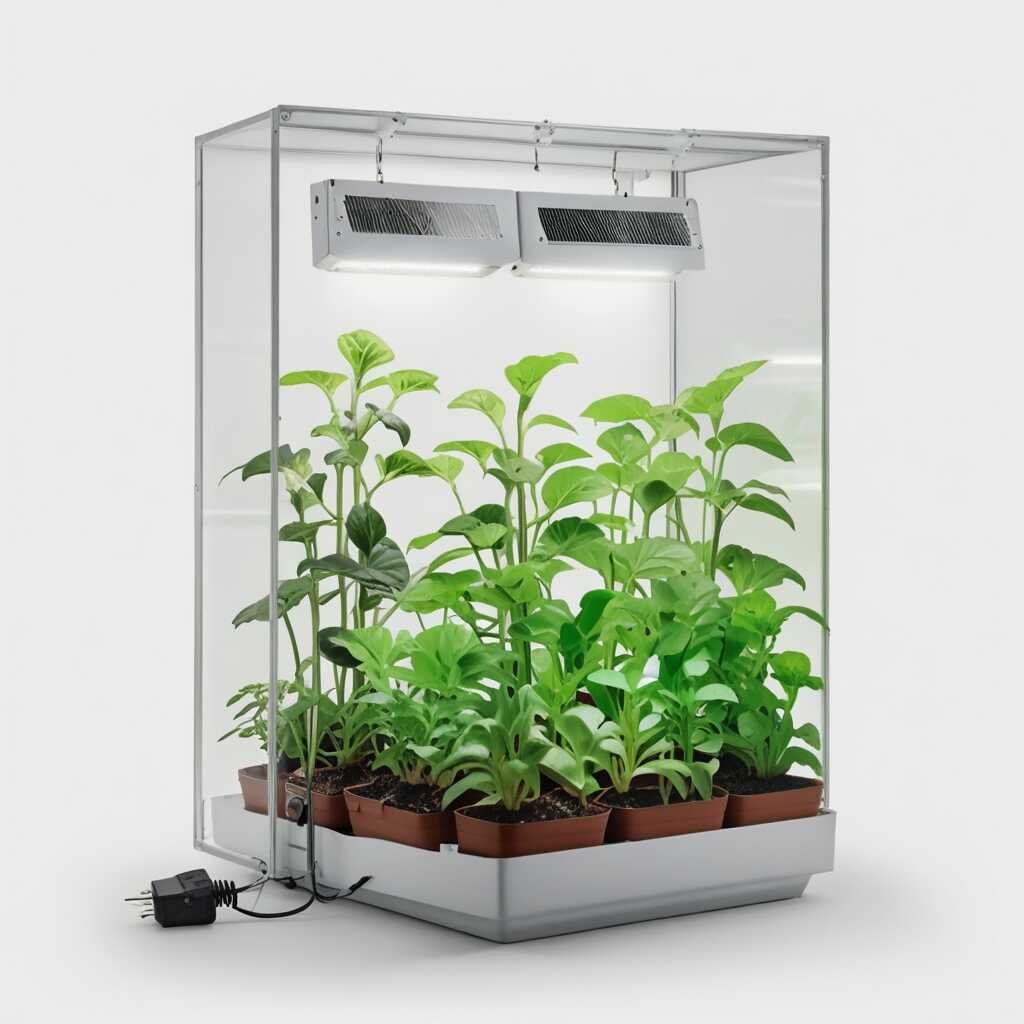
Selecting LED lights depends on factors such as plant type, growth stage, and specific growth needs. Different plants require different light spectrums to thrive, with flowering plants benefiting from higher red light ratios. The growth stage also plays a critical role; seedlings require more blue light for vegetative growth, while mature plants benefit from red light to enhance flowering. Consider the light intensity requirements of your plants, measured in μmol/m²/s, to ensure optimal growth. High-light plants like tomatoes thrive in 200-400 μmol/m²/s, while leafy greens do well around 150-300 μmol/m²/s. Research reliable LED lights that provide good energy efficiency and proven performance.
Understanding Light Spectrum and Plant Types
Different plant types, such as leafy greens, herbs, and flowering plants, have unique light spectrum requirements. Leafy greens like lettuce and spinach prefer a higher percentage of blue light, which encourages healthy leaf growth. In contrast, flowering plants like peppers and cucumbers thrive under red-heavy spectrums that promote blooming. Understanding how these light needs interact with the growth stages of your plants enables indoor gardeners to tailor their lighting setups for optimal performance. Selecting quality LED grow lights designed specifically for your plant types enhances growth efficiency. Ensure you have lights that can handle the spectrum needs and intensity based on the plants you grow.
Highlighting Advantages of Tailored Light for Plants
- Targeted wavelengths enhance plant photosynthesis efficiency.
- Customized lighting supports optimum growth stages, like seedling or flowering.
- Plants show improved health when exposed to the right color spectrum.
- LED technologies lower energy costs while boosting growth rates.
- Using proper light spectrums reduces the risk of pests and diseases.
- Additionally, plants develop stronger cell structures under ideal light conditions.
- Farmers can manipulate light cycles to optimize harvest times and yields.
Avoiding Common LED Light Mistakes in Gardening
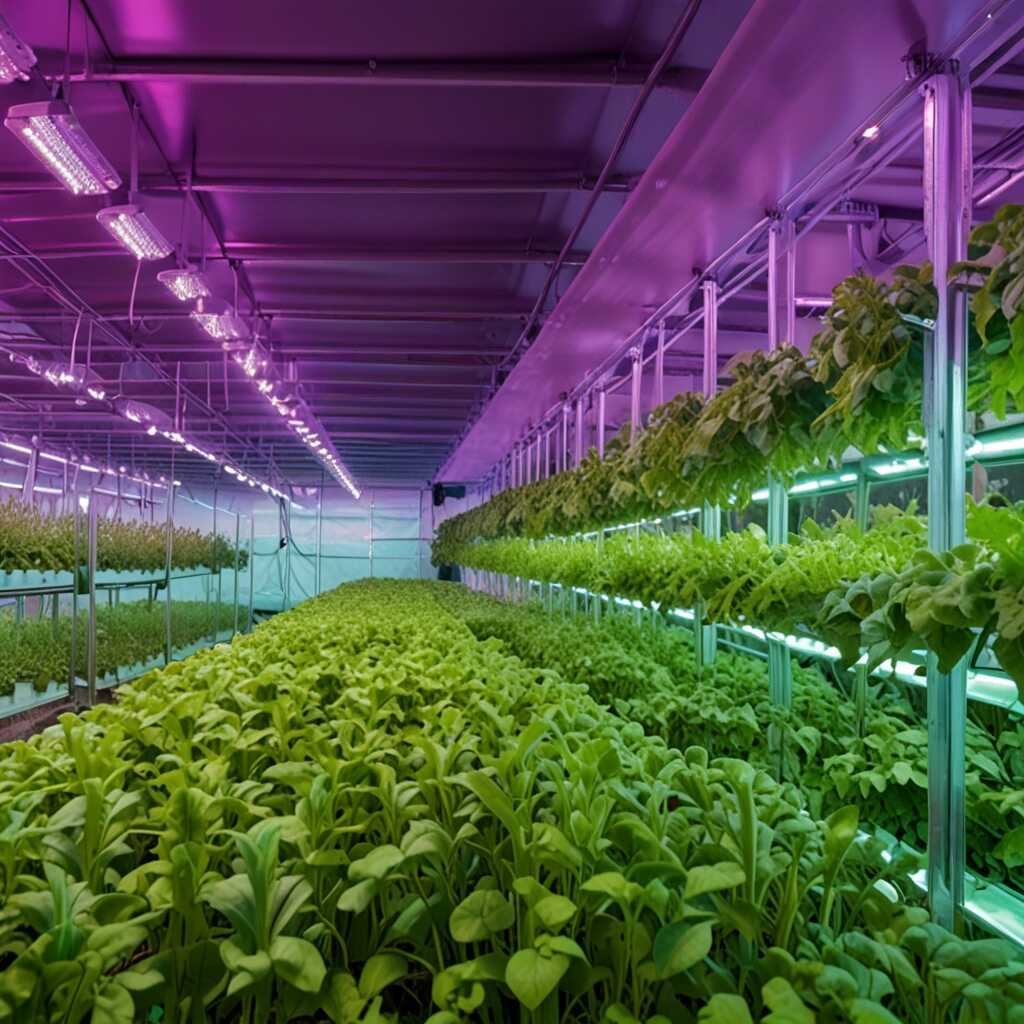
Indoor gardeners often make frequent mistakes with LED lights. One common error is using lights that are not suited for specific plant needs. Different plants have unique light spectrum preferences which can affect growth. Many gardeners also misunderstand the importance of light intensity and duration. Using lights too close can cause leaf burn, while using them too far results in inadequate lighting. It’s essential to consider the light’s positioning and duration. Lastly, relying too heavily on the perceived brightness of a light without checking its spectrum can lead to poor growth results. Evaluating lighting effectiveness through reliable reviews and user experiences helps ensure optimal performance in indoor gardens.
Understanding Light Spectrum Preferences for Indoor Plants
Different indoor plants thrive under specific light spectrums. Blue light encourages vegetative growth and is best for leafy greens, while red light promotes flowering and fruiting stages. Efficiently utilizing both spectrums can enhance plant health and yield. Notable brands provide a range of LED lights that can easily switch between spectrums. Research has shown that full-spectrum lights, designed to imitate natural sunlight, deliver impressive plant growth. Regular testing and adjusting light types result in better indoor gardening outcomes. Selecting a light that fits the unique needs of your common indoor plants is crucial for their development.
Research Findings on LED Spectrums and Plant Health
Recent studies reveal that different LED light spectrums significantly influence plant health and growth rates. Research indicates that blue light (400-480 nm) enhances vegetative growth, while red light (620-700 nm) promotes flowering and fruiting. A study conducted in 2022 demonstrated that a mix of red and blue light resulted in a 30% increase in biomass compared to plants grown under standard fluorescent lights. This evidence highlights the importance of using specific LED light spectrums to optimize growth for various plant types, including herbs, vegetables, and flowers.
Optimal Light Spectrum for Enhancing Plant Growth
The optimal light spectrum for promoting plant growth is between 400 and 700 nanometers. This range, also known as the photosynthetically active radiation (PAR) spectrum, is essential for photosynthesis. Studies show that plants exposed to full spectrum light with balanced blue and red wavelengths experience improved health. For example, research from 2023 indicates that using a light spectrum with a peak at 660 nm for red light and 450 nm for blue light can lead to a growth rate increase of up to 25%. This data reinforces the need to choose LED grow lights carefully to maximize plant growth efficiency.
Comparative Insights on Popular Light Options for Indoor Gardening
- Brand A focuses on affordability, appealing to budget-conscious users.
- Brand B offers advanced spectrum control, ideal for commercial growers and serious hobbyists.
- Households often prefer energy-efficient lights for cost savings.
- Students in horticulture may choose flexible lighting solutions for different projects.
- Home horticulturists appreciate products with good warranties and long life spans.
- Professionals value precise lighting control to meet specific plant needs.
- Eco-advocates seek brands ensuring sustainable materials in their products.
Innovations in LED Technology for Enhanced Growth
Recent innovations in LED light technology enhance indoor plant growth. For instance, spectral tuning allows growers to adjust light wavelengths, optimizing the photosynthetic process. This capability helps plants achieve better growth efficiency throughout various development stages. Advanced full-spectrum lights deliver specific wavelengths that cater to plants’ needs, influencing leaf production, flowering, and fruit development. Emerging LED technology also includes smart lighting systems that use sensors to assess plant health and adjust light intensity automatically. These innovations ensure optimal light exposure while conserving energy. Many current models feature longer lifespans, durability, and lower heat output, making them suitable for diverse gardening setups.
Key Features of Modern LED Lights for Plant Cultivation
Modern LED lights include features like programmable light cycles and adjustable spectrum settings. Programmable features enable users to set specific light schedules targeting various plant growth stages, which improves growth outcomes. Adjustable spectrums allow growers to fine-tune light quality, providing a balance between blue and red wavelengths necessary for vegetative and flowering phases. Energy-efficient design also ensures lower electricity costs while delivering high performance. Reviews highlight the benefits of smart LED systems that sync with growers’ preferences, reinforcing their usability. As technology advances, the focus on sustainability within indoor horticulture grows stronger, aligning perfectly with Green Writer’s mission of environmentally conscious living.