
The article “Advantages of LED Lights for Efficient Greenhouse Flower Cultivation” explores the benefits of using LED lighting in flower growing. LED lights are more energy-efficient and sustainable compared to traditional lighting options. Green Writer highlights how these lights enhance plant growth while reducing energy costs. By relying on LED technology, growers can create an optimal environment for flowers while supporting eco-friendly practices.
How LED Lighting Enhances Flower Growth and Overall Plant Health
LED lights promote flower growth by emitting specific wavelengths that are essential for photosynthesis. Blue light, ranging from 400-500nm, drives vegetative growth. Red light, around 600-700nm, is crucial during the flowering stage. Together, these wavelengths help create a balance that enables optimal flowering and plant health. LED grow lights offer a long lifespan, up to 50,000 hours, compared to just 1,000 hours for traditional incandescent bulbs. This long-lasting performance contributes to sustainability in greenhouse operations. Green Writer emphasizes the efficiency of LED lights in providing both quality and durability, ensuring consistent results.
Effective Light Spectrums for Flowering Stages
Different light spectrums significantly impact the different stages of flower cultivation. During the seedling stage, plants benefit from a balanced spectrum that includes blue light for strong stem development. As plants transition to flowering, red light becomes more vital, triggering blooming processes. Studies show optimal red to blue ratios should be 4:1 for maximum results. Using adjustable LED grow lights allows growers to customize light spectrums. This maximizes energy efficiency while ensuring robust flower production. Quality LED lights are designed to provide the necessary spectrum, enhancing growth and improving overall plant health.
Comparative Energy Efficiency of LED Lights Versus Traditional Lighting
LED lights offer significant energy savings compared to traditional fluorescent and incandescent lights. Greenhouse operations can save up to 75% on energy costs by using LED grow lights. They deliver high light output while consuming less energy. This efficiency means lower electrical bills and contributes to a reduced carbon footprint. Testing shows LED lights last 50,000 hours and provide reliable performance. Traditional lighting typically fails between 1,000 to 2,000 hours. LED lights enhance plant growth while minimizing energy use, making them the best choice for eco-conscious greenhouse growers.
Key Performance Metrics of LED Grow Lights
Key performance metrics of LED grow lights include energy efficiency ratings and light output. Most LED grow lights have an efficacy of 1.5 to 2.5 μmol/J, which measures how much usable light is produced for plants per joule of energy consumed. In comparison, fluorescent lights have an efficacy around 0.5 to 1.0 μmol/J. LEDs produce full spectrum light, improving flowering and growth stages. This ensures better yield quality and supports sustainable energy use. Greenhouse growers are encouraged to use LED lights to achieve optimal light conditions for their flowers, maximizing growth while reducing overall energy consumption.
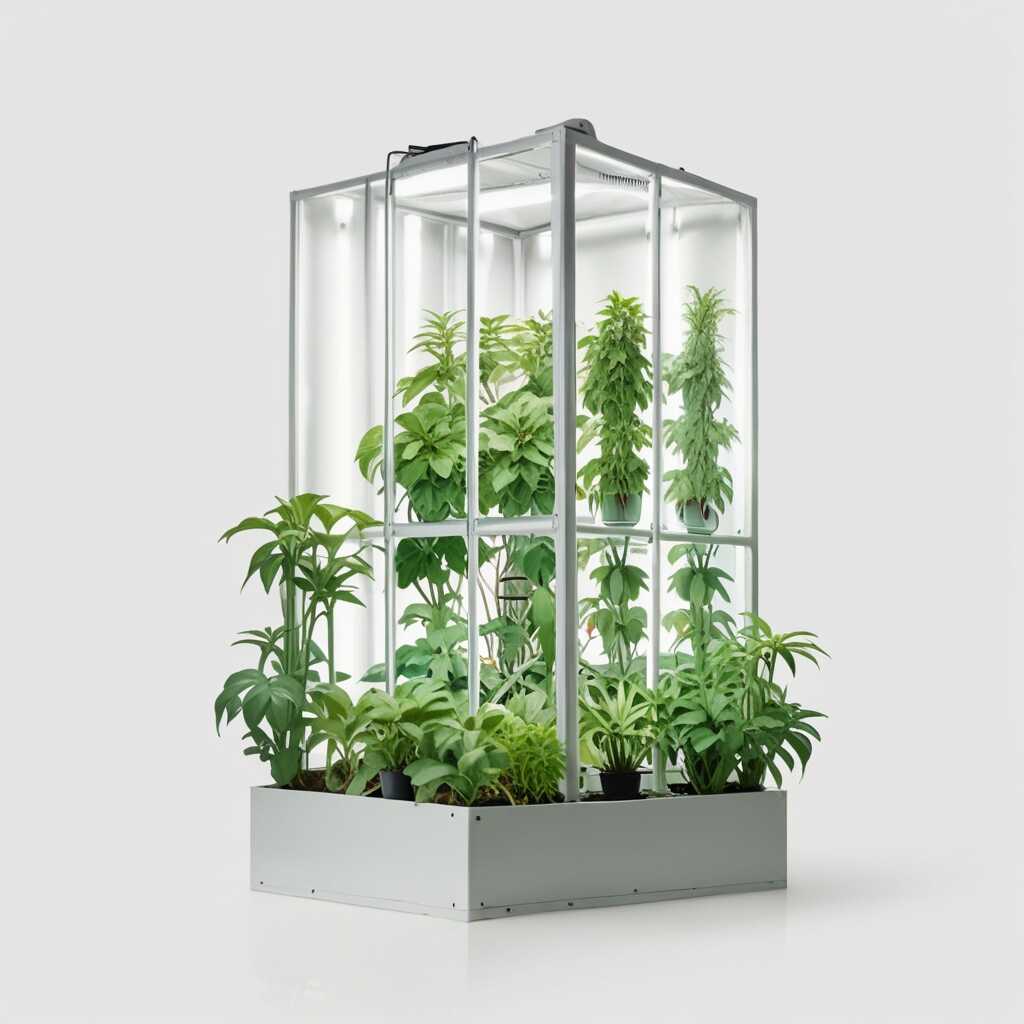
The Importance of Full Spectrum Light for Optimal Plant Development
Full spectrum LED lights are designed to mimic natural sunlight. They are essential for promoting robust flowering and healthy plant growth throughout different stages. These lights emit various wavelengths, particularly in the blue (400-500 nm) and red (600-700 nm) ranges, which are crucial for photosynthesis and flowering. Studies show that plants exposed to these wavelengths have improved growth rates and flowering results. For optimal performance, it is recommended to use full spectrum lights for around 12 to 16 hours per day depending on the plant species and growth stage.
Essential Wavelengths for Flowering and Plant Health
The optimization of flowering in plants relies heavily on specific wavelengths provided by full spectrum LED lights. The blue wavelengths encourage sturdy vegetative growth, while the red wavelengths promote flowering. During the flowering phase, a higher ratio of red light supports the development of larger blooms and richer hues. Advanced LED grow lights can deliver a balanced spectrum that transitions smoothly between these critical wavelengths, ensuring that plants receive the light they need for robust flowering. Utilizing these well-researched light characteristics can enhance the overall health and yield of greenhouse flowers.
Key Numerical Insights into Plant Lighting Solutions
- LED lights use up to 75% less energy than traditional grow lights.
- Typical LED grow lights last over 50,000 hours, reducing replacement costs.
- Plants grown under LEDs can mature in just 4-6 weeks for many species.
- Using LEDs can cut utility costs by as much as 30-50% annually.
- LEDs offer wavelength ranges from 400 to 700 nanometers for optimal growth.
- Many LED models generate less than 40% of heat compared to incandescent bulbs.
- Reports suggest increased yield by up to 30% using LED lights in greenhouses.
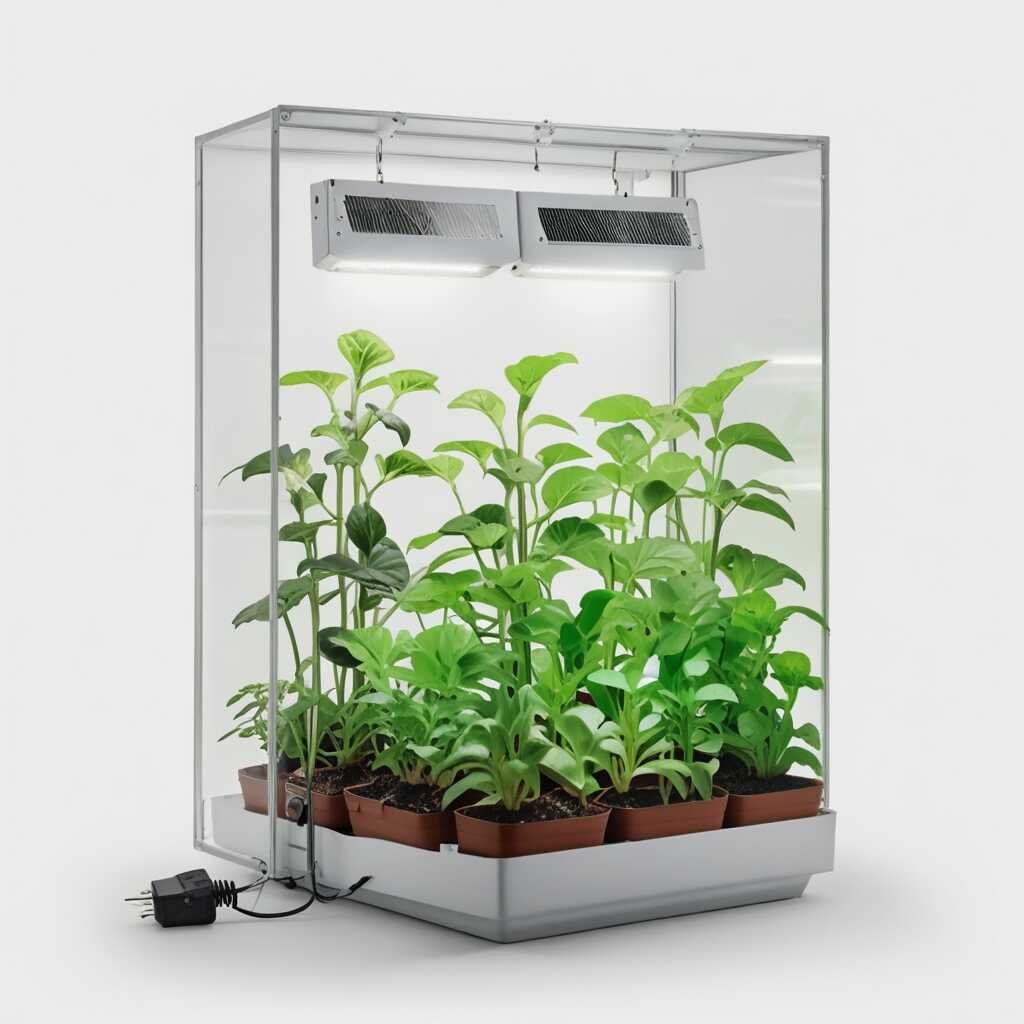
Cost-Effectiveness of LED Grow Lights Over Their Lifespan
Investing in LED grow lights for greenhouse flower cultivation offers several key advantages. LED lights have a long lifespan, often exceeding 50,000 hours, which translates to less frequent replacements compared to traditional lighting. This durability ensures low maintenance, reducing the overall impact on your wallet. In terms of cost-efficiency, LED lights consume up to 75% less energy than conventional bulbs. This substantial energy efficiency helps lower your electricity bills significantly. Data suggests that over a 5-year period, growers could save hundreds of dollars, improving their overall financial savings.
Understanding the Financial Benefits Over Time
To see the true financial benefits of LED grow lights, consider both initial costs and long-term savings. While the upfront investment for quality LED lights may be higher, this expense is offset by their impressive lifespan and lower energy consumption. A well-reviewed LED grow light can easily replace several traditional bulbs, providing better reliability and performance for years. Growers can also enjoy a 50-90% reduction in maintenance costs since LED systems generally require less upkeep. This combination of long-lasting durability and decreased operational costs makes LEDs a smart choice for sustainable and cost-effective flower cultivation.
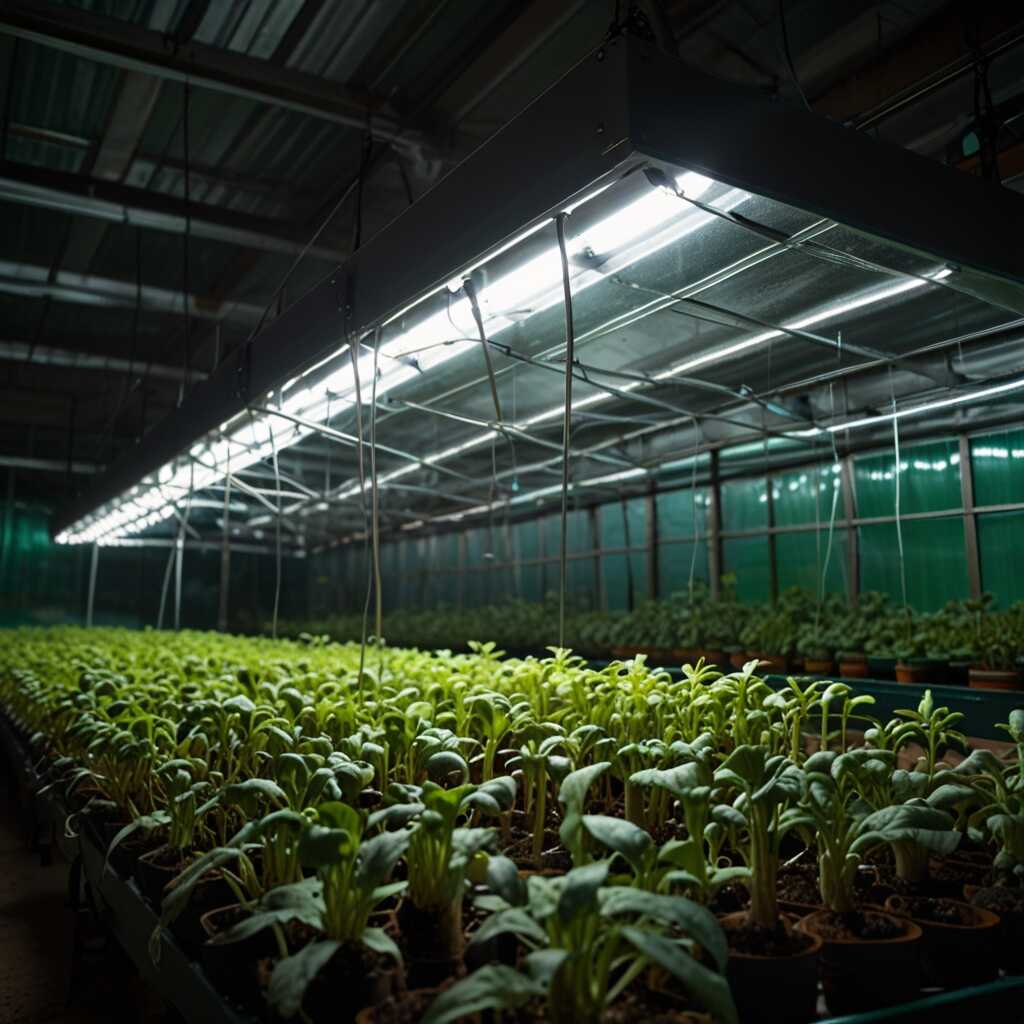
Managing Temperature and Heat with LED Lighting Solutions
LED lights generate significantly less heat compared to traditional grow lights. This feature provides better temperature control in greenhouse environments, making it easier to create an optimal climate for flower cultivation. Unlike incandescent or fluorescent lights that release excess heat, LED lighting solutions maintain a cooler operating temperature. This cooling effect helps prevent overheating, which can stress plants, stunt growth, and negatively affect flowering. By using LED lights, growers ensure a more stable environment while enhancing energy efficiency. The low heat output also means that less energy is needed for cooling systems, saving costs while promoting sustainable practices.
Optimal Temperature Range for Flower Cultivation
The ideal temperature range for flower cultivation in a greenhouse typically falls between 65°F (18°C) and 75°F (24°C). Maintaining temperatures within this range is essential because it promotes healthy growth and flowering cycles. Excessive heat can lead to wilting and bud drop, while temperatures that are too low can hinder development. With LED lighting solutions, growers can provide adequate light while mitigating heat issues. This balance allows for effective management of temperature and humidity levels, ultimately ensuring that flowers thrive under the best conditions.
Benefits of Utilizing Innovative Plant Lighting
- LED technology maximizes photosynthesis with tailored light spectra.
- These lights enhance flowering stages, improving overall bloom quality.
- They are environmentally friendly, contributing to sustainable practices.
- LEDs produce less heat, reducing climate control costs in greenhouses.
- Using these lights promotes healthy plant growth without harmful emissions.
- They allow for year-round cultivation, regardless of seasonal changes.
- LED systems provide consistent light output that boosts plant health.
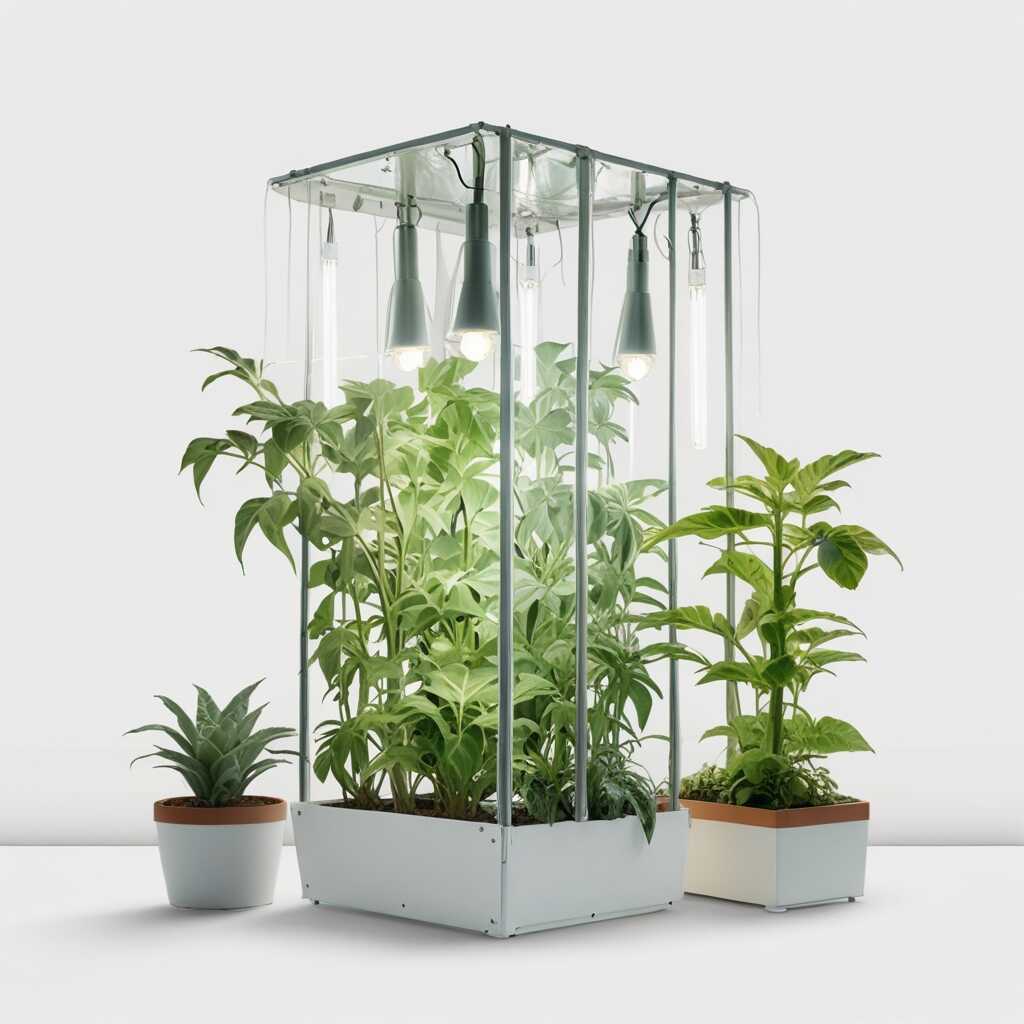
Choosing the Right Customization Options for Flower Requirements
Choosing the right customization options for LED grow lights involves understanding the specific needs of your flower species. Different flowers thrive under various light intensities and spectrums. For example, roses may need a blend of red and blue light for optimal growth, while orchids require a broader spectrum to enhance their blooming phase. It’s essential to analyze the light settings in your LED grow lights to meet the demands of species such as daisies or tulips. Most LED grow lights allow you to adjust settings based on flowering stages, ensuring a tailor-made solution for your greenhouse. Test the recommended settings to see which produces the best results.
Understanding the Importance of Light Spectrum for Different Flowers
The light spectrum plays a crucial role in the successful cultivation of various flower species. Different flowers have unique spectrum requirements for growth, flowering, and overall health. For example, LED lights that emit wavelengths between 400-500nm support vegetative growth, while 600-700nm wavelengths enhance blooming. Species like sunflowers prefer full-spectrum light, which mimics natural sunlight, improving efficiency and ensuring strong growth. Testing different light spectrums can help you identify what works best for each flower cultivar in your greenhouse. By using appropriate light settings tailored to specific plants, you enhance productivity and flower quality significantly.
Sustainability and Environmental Advantages of LED Grow Lights
LED grow lights offer significant environmental advantages for greenhouse flower cultivation. They consume less energy compared to traditional grow lights, reducing the overall energy demand. Choosing energy-efficient lighting contributes to a lower carbon footprint. Their long lifespan, often exceeding 50,000 hours, cuts down on waste generated from discarded bulbs. Additionally, LED lights emit less heat, minimizing the need for cooling systems in greenhouses. This leads to more efficient environmental control, providing optimal growing conditions for flowers. Different types of plants, such as orchids and gerbera daisies, thrive best under this tailored spectrum. The integration of LED technology enhances plant health and growth, ensuring reliable yields.
Maximizing Flower Growth with LED Technology
To maximize flower growth with LED technology, choosing the right light spectrum is essential. Many LED grow lights provide full-spectrum options, combining blue and red wavelengths that closely mimic natural sunlight. This combination is effective for various growth stages, enabling photosynthesis and improving flowering results. Regular adjustments to light intensity and duration can optimize flower development, promoting vibrancy and health. Testing LED placements and distances from plants helps achieve the best results. By maintaining these practices, greenhouse growers can enhance their flower yield while leveraging the environmental sustainability of LED technology. This method aligns with eco-conscious gardening, showcasing how innovative lighting can lead to sustainable practices.
Demographics and Brands Embracing Modern Lighting Solutions
- Commercial growers often choose LED systems for their efficiency and durability.
- Hobbyists benefit from LEDs with adjustable wavelengths for various plants.
- Agro-tech companies market LED technology to boost crop yields economically.
- Small-scale urban gardeners appreciate the compact design of many LED lights.
- Families enjoy using LEDs alongside houseplants for clean air and aesthetics.
- Eco-conscious businesses use LEDs as part of their sustainable branding strategy.
- New gardeners find LEDs easy to use and install, promoting success in cultivation.
Step-by-Step Guide for Setting Up LED Lights in Your Greenhouse
Positioning LED lights effectively in your greenhouse is essential for maximizing flowering output and growth efficiency. Best practices include hanging lights at the right height and ensuring even coverage across your plants. The optimal distance between LED lights and plants usually ranges from 12 to 24 inches, depending on the wattage of the lights. This distance helps avoid light burn while still providing adequate brightness. Focus on the light spectrum, as different wavelengths enhance various growth stages. For example, blue light (400-500 nm) supports vegetative growth, while red light (600-700 nm) encourages flowering. Proper setup helps ensure reliable results and improves the overall efficiency of your greenhouse.
Understanding Light Spectrum and Plant Growth Stages
The light spectrum plays a crucial role in plant growth. Each wavelength affects plants differently throughout their development. LED lights designed for greenhouse use typically provide a full spectrum, which includes both blue and red wavelengths. This full spectrum lighting is essential for accommodating the entire growth cycle, from seedling to harvest. Research shows that red light significantly promotes flowering, while blue light boosts vegetative growth. When selecting LED lights, look for fixtures that offer adjustable spectrums to cater to specific growth phases. This ensures your plants receive the right type of light when they need it, which leads to better flowering and overall healthier plants.