
Unlocking energy savings with LED greenhouse grow lights can revolutionize indoor gardening practices. These advanced lighting solutions offer exceptional efficiency and long lifespans, making them a top choice for eco-conscious growers. Green Writer focuses on the benefits of LED technology, emphasizing how it not only reduces electricity costs but also supports optimal plant growth. By exploring metrics and comparisons with traditional lighting, this article aims to guide you in making environmentally friendly choices for your indoor garden.
Introduction to LED Grow Lights and Their Benefits
LED grow lights offer many advantages for indoor gardeners. Their energy efficiency stands out, reducing electricity costs up to 75% compared to traditional lighting options. Longevity benefits are impressive as LED lights last up to 50,000 hours. Users value their adaptability, providing full spectrum lighting tailored for different plant growth stages. In greenhouse gardening, the growing popularity of LED technology is evident due to its proven ability to enhance plant health and yield. Reliable energy savings impress gardeners looking for eco-friendly lighting solutions.
Understanding the Full Spectrum Benefits of LED Lighting
Full spectrum benefits of LED lighting include covering wavelengths from 400 to 700nm, enabling plants to thrive through various growth stages. This range supports photosynthesis effectively, helping vegetative plants grow robustly and encouraging flowers to bloom vibrantly. Choosing a quality LED grow light designed with this spectrum helps gardeners ensure their indoor plants receive essential light. Research shows that plants under full spectrum LED lighting exhibit enhanced growth rates and improved overall health. Properly positioned, these lights make it easier for indoor gardeners to manage their plant needs efficiently.
The Role of Light Spectrum in Plant Health and Growth
LED grow lights deliver specific light spectrums that play a crucial role in enhancing plant health throughout various growth stages. Different wavelengths, such as blue light (400-500nm), are most effective during the vegetative stage, promoting leaf growth and overall plant vigor. In contrast, red light (600-700nm) becomes essential during the flowering and fruiting stages, encouraging blooming and fruit development. Understanding how these light spectrum effects impact specific plant growth stages can significantly improve indoor gardening results.
Best Light Spectrum Combinations for Optimal Growth
Using the best combination of light spectrums can greatly enhance indoor plants’ growth and productivity. Combining blue and red wavelengths creates a balanced environment suitable for all stages of plant growth. Research shows that a ratio of about 2:1 for blue to red light is highly effective, ensuring plants receive reliable energy for photosynthesis. Additionally, including wavelengths around 520nm (green light) enhances light penetration into leaf structures. This multi-spectral approach not only improves plant health but also increases yield, making LED grow lights an excellent choice for eco-conscious home growers.
Energy Consumption Comparison of Grow Light Options
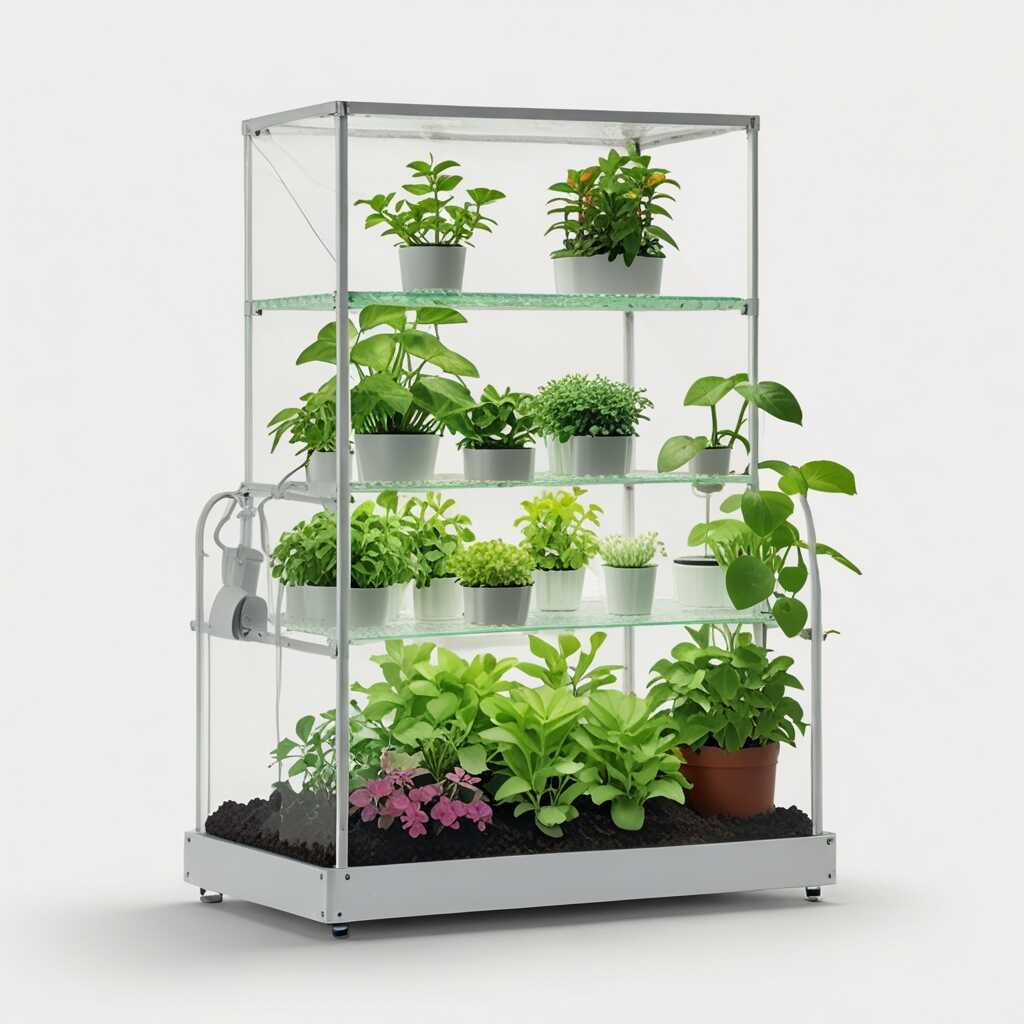
LED grow lights significantly outperform traditional lighting options like fluorescent and incandescent lights in terms of energy consumption. LED grow lights typically consume between 20 to 50 watts per unit, while fluorescent lights generally require 32 to 65 watts, and incandescent options often range from 60 to 100 watts. This energy efficiency results in lower electricity bills and a reduced carbon footprint. Testing shows that LED lights can last 50,000 hours, providing consistent light output. In contrast, fluorescent and incandescent lights need frequent replacements due to shorter lifespans and reduced reliability over time.
Understanding Power Usage Efficiency in Indoor Gardening
Power usage efficiency is crucial for indoor gardeners. LED grow lights deliver more light per watt consumed, often exceeding 90% efficiency in converting electricity to usable light for plants. Compared to fluorescent lights, which may only reach 80% efficiency, and incandescent lights, which can be as low as 10%, LED options stand out. When selecting the best lighting for your indoor garden, consider not only the initial cost but also the long-term savings on energy. Research indicates that by 2025, LED technology will dominate the market, proving its reliability and sustainability while enhancing plant growth.
Key Numerical Insights on Energy Efficiency
- LED grow lights use up to 75% less energy than traditional bulbs.
- Average lifespan for LED lights is over 50,000 hours.
- Energy savings can total $500 annually for larger setups.
- LEDs produce less heat, reducing cooling costs by 30%.
- Plants grow up to 40% faster under LED light due to enhanced spectra.
- Light intensity of LEDs can be adjusted for optimal growth.
- Overall energy consumption drops significantly with LED adoption.
Analyzing the Financial Benefits of Switching to LEDs
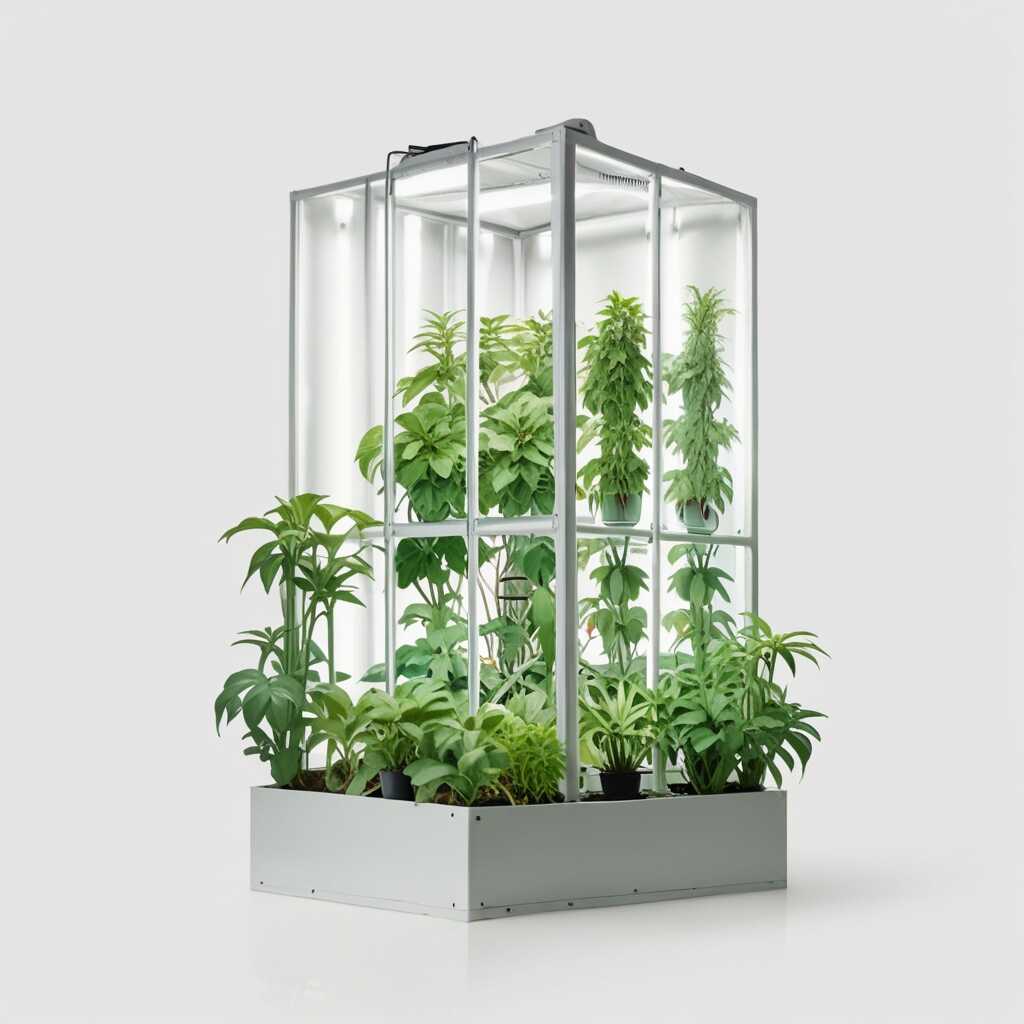
Initial costs for LED grow lights are often higher than for traditional lighting. However, LED lights use at least 50% less energy. This leads to significant ongoing savings on electricity bills. The longevity of LED lights, typically exceeding 50,000 hours, means fewer replacements over time. Research shows that switching to LED can yield up to 30% more plants per harvest. This increase can make a substantial financial difference for indoor gardeners looking to maximize productivity and profits.
Understanding Long-Term Cost Savings with LEDs
Long-term cost savings from LED grow lights come from lower energy consumption and reduced maintenance needs. Unlike traditional lighting systems, LED lights do not contribute to excessive heat, which can require additional cooling costs. Regularly, users report annual savings of approximately $100 or more per 1,000 watts of LED lighting used. Additionally, with LEDs, the decreased frequency of bulb replacements further minimizes expenses. This financial advantage aligns with sustainable practices, as using LEDs enhances energy efficiency and lowers your carbon footprint.
How to Calculate Potential Energy Savings with LEDs
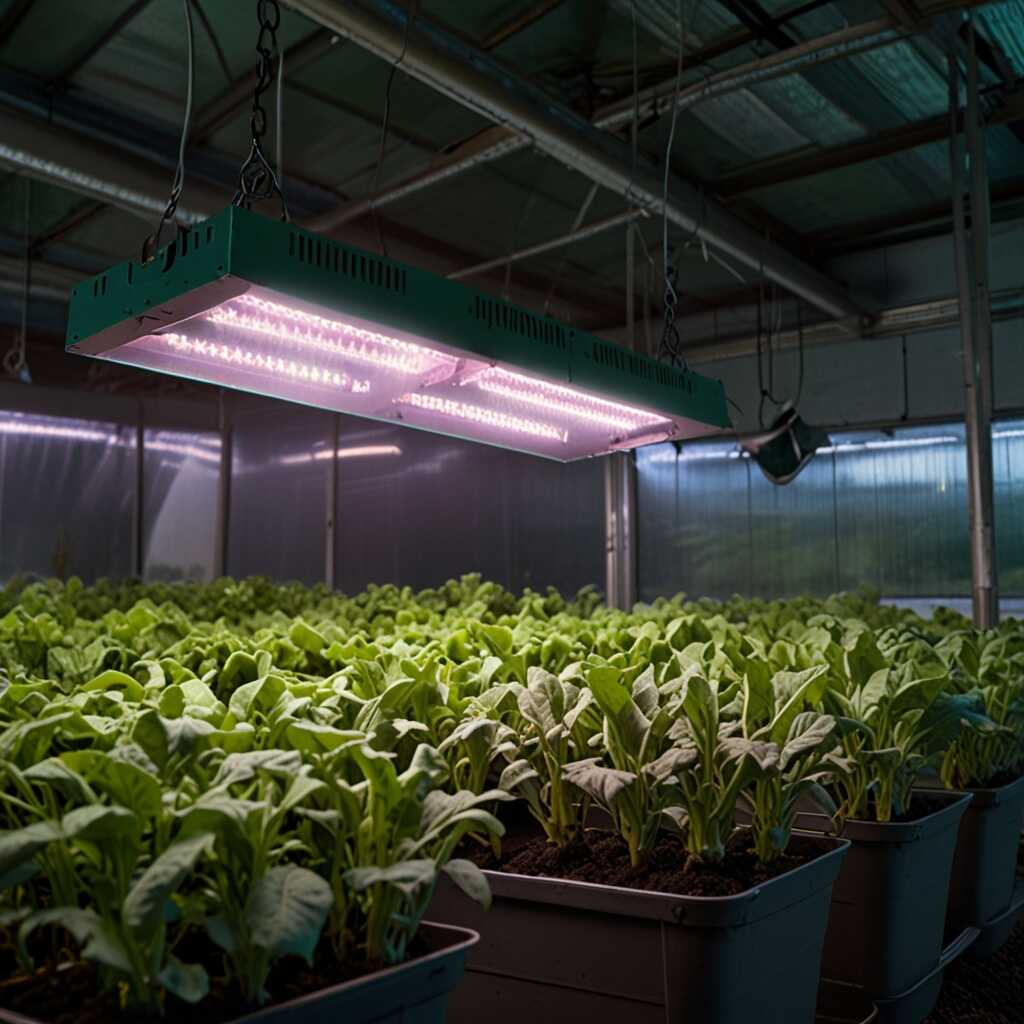
To calculate your energy savings from switching to LED grow lights, start by determining the wattage of your current traditional bulbs and the wattage of the LED lights you plan to use. Use the formula: (Wattage of traditional bulb – Wattage of LED bulb) x Hours of usage per month x Cost per kWh = Monthly savings. For example, if you have 10 bulbs at 100 watts each and switch to 10 bulbs at 30 watts, the calculation for one month would be: (100 – 30) x 30 hours x $0.12 = $25.20 in savings. Consider factors like the lifespan and efficiency ratings of LED grow lights compared to traditional lighting, as they often provide better light output with less energy consumption.
Understanding Energy Cost Differences Between Lighting Options
The energy cost difference between LED grow lights and traditional bulbs heavily influences your savings. LEDs typically consume 70% less energy than incandescent or fluorescent lights, providing significant savings over time. For example, if traditional bulbs cost you $40 monthly for electricity, switching to LEDs may reduce that cost to around $12, allowing you to save approximately $28 every month. Additionally, the longevity of LED lights, often lasting over 50,000 hours, means you’ll replace them less frequently than traditional bulbs. Evaluating these factors helps clarify which option is more budget-friendly and sustainable in the long run, which is essential for eco-friendly practices.
Notable Advantages of Energy-Saving Grow Lights
- Lower electricity bills result from using energy-efficient lighting solutions.
- LED lights emit a full spectrum, supporting all growth stages of plants.
- They reduce carbon footprint due to less energy consumption.
- Plants experience better health and growth rates with proper light.
- LEDs provide flexibility in placement due to their low heat output.
- They are durable and have long-lasting features, enhancing value.
- Users can enjoy enhanced plant aesthetics while saving energy.

Understanding the Positive Environmental Effects of LED Lighting
LED grow lights offer numerous environmental benefits, primarily through energy conservation and reduced carbon footprints. These lighting options use less energy than traditional systems, which leads to decreased greenhouse gas emissions. Research shows that they can save up to 70% more electricity compared to standard fluorescent or incandescent lights. This energy efficiency not only lowers electric bills but also lessens the demand for energy generation. Consequently, adopting LED grow lights contributes significantly to a more sustainable indoor gardening practice. They enhance plant growth while minimizing environmental impact, making them essential for eco-conscious gardeners.
Impact on Energy Restoration and Sustainability
LED grow lights significantly improve energy restoration and sustainability in several ways. Unlike conventional lighting, which often wastes energy as heat, LED technology is designed for optimal light output while minimizing heat production. This means less energy is wasted, leading to increased energy efficiency during use. For instance, using full-spectrum LED lights enhances plant growth at all stages while consuming lower energy over time. Studies indicate that by 2025, more than 75% of household lighting will shift towards LED usage. This transition will not only help indoor gardeners but also support global greenhouse gas reduction efforts.
Key Factors Influencing Energy Efficiency in Greenhouses
Several elements impact energy efficiency in greenhouses. Insulation materials play a vital role, helping retain warmth in colder months. The layout of the greenhouse can enhance light distribution, maximizing photosynthesis. Selecting suitable plant types also matters since some plants require less energy to grow. These factors combined can produce significant energy savings in indoor gardening.
How Insulation Materials Enhance Energy Efficiency
Choosing the right insulation materials is essential for improving energy efficiency in greenhouses. High-quality materials like polycarbonate panels offer excellent thermal insulation, reducing heating needs. Insulated walls and roofs can minimize heat loss during chilly nights. Such measures keep the greenhouse climate stable, lowering energy consumption by 20% or more. This improves overall efficiency and helps maintain optimal growing conditions.
Target Audiences and Their Interest in Eco-Friendly Lighting
- Indoor gardeners prefer LED lights for energy-efficient growth.
- Sustainability enthusiasts are drawn to products that save energy.
- Horticulture professionals recommend LEDs for commercial setups.
- Researchers on energy efficiency promote LED benefits for plant health.
- Urban dwellers seek space-saving, efficient options for small gardens.
- Environmental advocates push for reducing greenhouse gas emissions.
- Home growers explore LED options to enhance their indoor gardening experience.
Best Practices for Maximizing LED Light Performance in Your Garden
To optimize LED grow light usage, consider placement based on your plant types. For taller plants, position LEDs higher to prevent burning leaves. For short plants, mounting lights closer enhances light saturation. Timing is vital; using a timer ensures consistent light exposure. Adjust light intensity to meet specific plant stage needs. Seedlings thrive under lower light intensities, while mature plants may require brighter conditions. To ensure maximum efficiency, maintain a distance of 12 to 24 inches between the light and the canopy, depending on the light’s wattage and intensity.
Exploring Optimal Light Settings for Different Plant Stages
Different plant stages require tailored light settings for peak growth. During the seedling stage, provide 200-400 micromoles of light intensity for 12-16 hours a day. In the vegetative stage, increase intensity to 400-600 micromoles for 16-18 hours. During flowering and fruiting, 600-900 micromoles for 12-14 hours aids in maximizing yields. This precise control over light intensity enhances growth rates, leading to healthier, more robust plants. Use an LED grow light with a full spectrum that includes red and blue wavelengths, as this combination is proven to support each growth stage effectively.