
Fluorescent lights effectively support indoor moss growth by providing full-spectrum illumination that mimics natural sunlight conditions. These energy-efficient grow lights emit wavelengths between 400-700nm, which moss requires for photosynthesis and healthy development. Fluorescent lighting systems typically cost between $20-80 for basic setups, making them accessible for beginner gardeners. However, they consume more electricity than LED alternatives and require replacement every 1-2 years.
Why Light Quality Determines Indoor Moss Growth Success
Light quality directly influences moss photosynthesis efficiency and overall plant health in controlled environments. Fluorescent grow lights deliver balanced blue and red wavelengths essential for moss chlorophyll production and cellular development. Blue light (400-500nm) promotes dense, vibrant green growth, while red light (600-700nm) supports reproductive processes and spore formation. Unlike incandescent bulbs that generate excessive heat, fluorescent fixtures maintain optimal temperatures between 65-75°F. Most moss species thrive under 12-16 hours of daily fluorescent illumination, which provides sufficient photosynthetic activity without energy waste.
Understanding Light Spectrum Requirements for Different Moss Types
Different moss varieties respond uniquely to specific light wavelengths, requiring customized fluorescent lighting approaches. Sheet moss typically requires higher blue light ratios (60% blue, 40% red) for compact growth patterns. Cushion moss benefits from balanced spectrum distribution, while feather moss thrives under slightly red-heavy lighting conditions. T5 fluorescent bulbs designed for plant growth provide ideal spectrum coverage across these requirements. Full-spectrum fluorescent tubes rated at 6500K color temperature offer versatile solutions for mixed moss collections.
Advantages and Limitations of Fluorescent Lighting for Indoor Moss
Fluorescent lights offer several practical benefits for indoor moss cultivation, including affordability, wide availability, and consistent light distribution. They typically cost 30% less than comparable LED systems initially, though operating costs remain higher over time. These fixtures provide even illumination across large growing areas, preventing shadowed spots that can stunt moss development. Fluorescent bulbs last approximately 10,000-20,000 hours under normal conditions, requiring periodic replacement. However, they generate more heat than LEDs and consume significantly more electricity, potentially increasing monthly utility bills by $10-25 for typical setups.
When Fluorescent Lights Work Best vs When LEDs Are Better
Fluorescent systems excel in budget-conscious setups where upfront costs matter more than long-term efficiency. They work particularly well for temporary growing projects, seasonal displays, or beginner experiments with moss cultivation. LED alternatives become more cost-effective for permanent installations exceeding 3-4 years of operation. LEDs also outperform fluorescents in tight spaces where heat generation becomes problematic. For large-scale moss production or commercial greenhouse operations, LEDs typically provide better return on investment despite higher initial costs.
Optimal Light Spectrum and Intensity for Thriving Moss Gardens
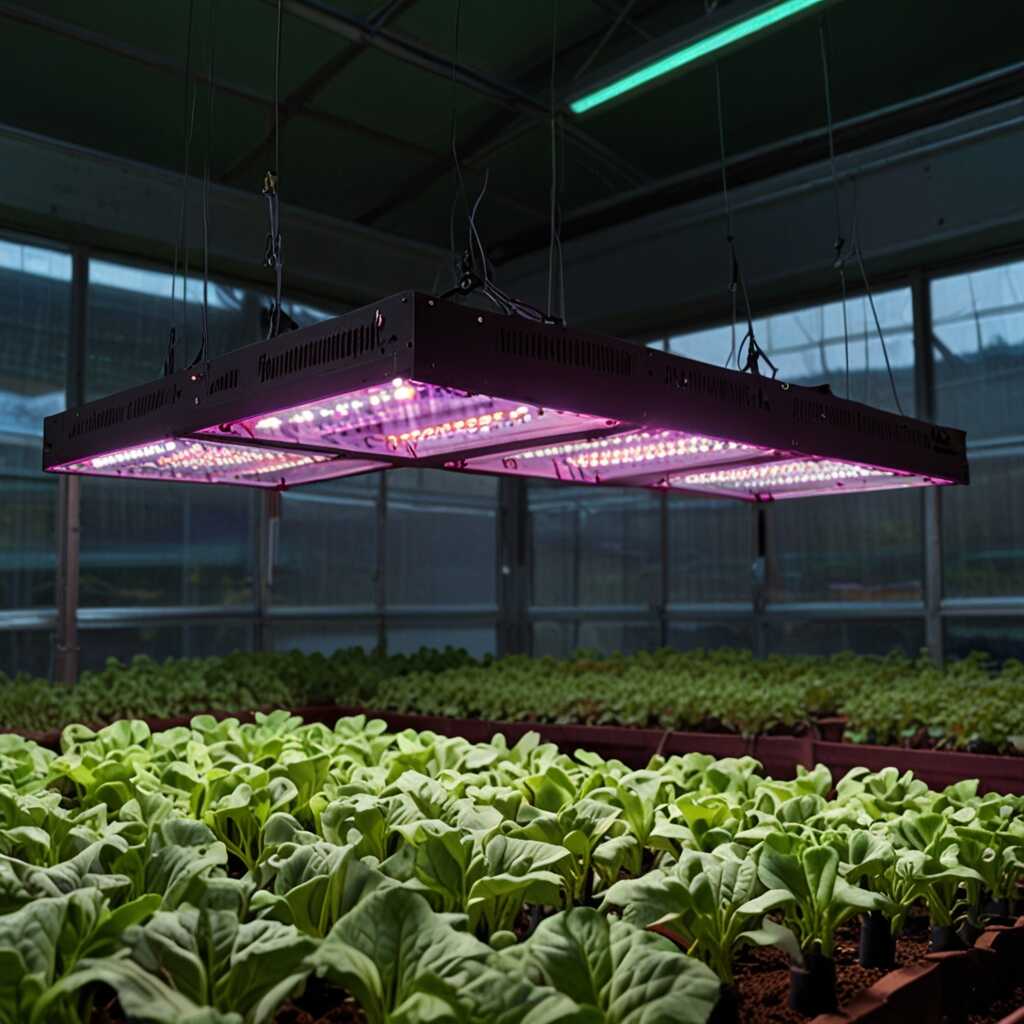
Successful moss cultivation requires specific light intensity between 2000-4000 lumens per square foot, achievable with properly positioned fluorescent fixtures. Blue wavelengths (400-500nm) should comprise 40-50% of total light output to promote chlorophyll synthesis and vibrant coloration. Red wavelengths (600-700nm) need to represent 30-40% of spectrum distribution for healthy cellular development and reproductive processes. The remaining 10-20% should include green and yellow wavelengths for complete photosynthetic support. T8 fluorescent bulbs typically provide 2800-3200 lumens each, while T5 fixtures offer 2900-5000 lumens per tube depending on length and wattage.
Calculating Light Requirements for Your Moss Growing Space
Determining appropriate fluorescent lighting involves calculating coverage area, fixture placement, and daily photoperiod requirements. Measure your growing space in square feet, then multiply by 2500 lumens to establish minimum light output needed. Position fluorescent fixtures 12-18 inches above moss surfaces to prevent heat stress while ensuring adequate intensity. For example, a 4-square-foot terrarium requires approximately 10,000 lumens, achievable with three T5 fluorescent tubes. Consider reflective surfaces like aluminum foil or white paint to maximize light efficiency and reduce fixture requirements by 20-30%.
Essential Fluorescent Lighting Specifications for Moss Growth
- Daily photoperiod should range from 12-16 hours for optimal photosynthesis rates
- T5 fluorescent bulbs typically consume 28-54 watts depending on length specifications
- Color temperature between 6000-6500K provides ideal full-spectrum coverage
- Light intensity should measure 2000-4000 lumens per square foot of growing area
- Fixture height placement works best at 12-18 inches above moss surfaces
- Humidity levels must stay between 60-80% for moss health under artificial lighting
- Operating costs typically range from $5-15 monthly for small fluorescent setups
Creating Optimal Environmental Conditions for Fluorescent-Lit Moss
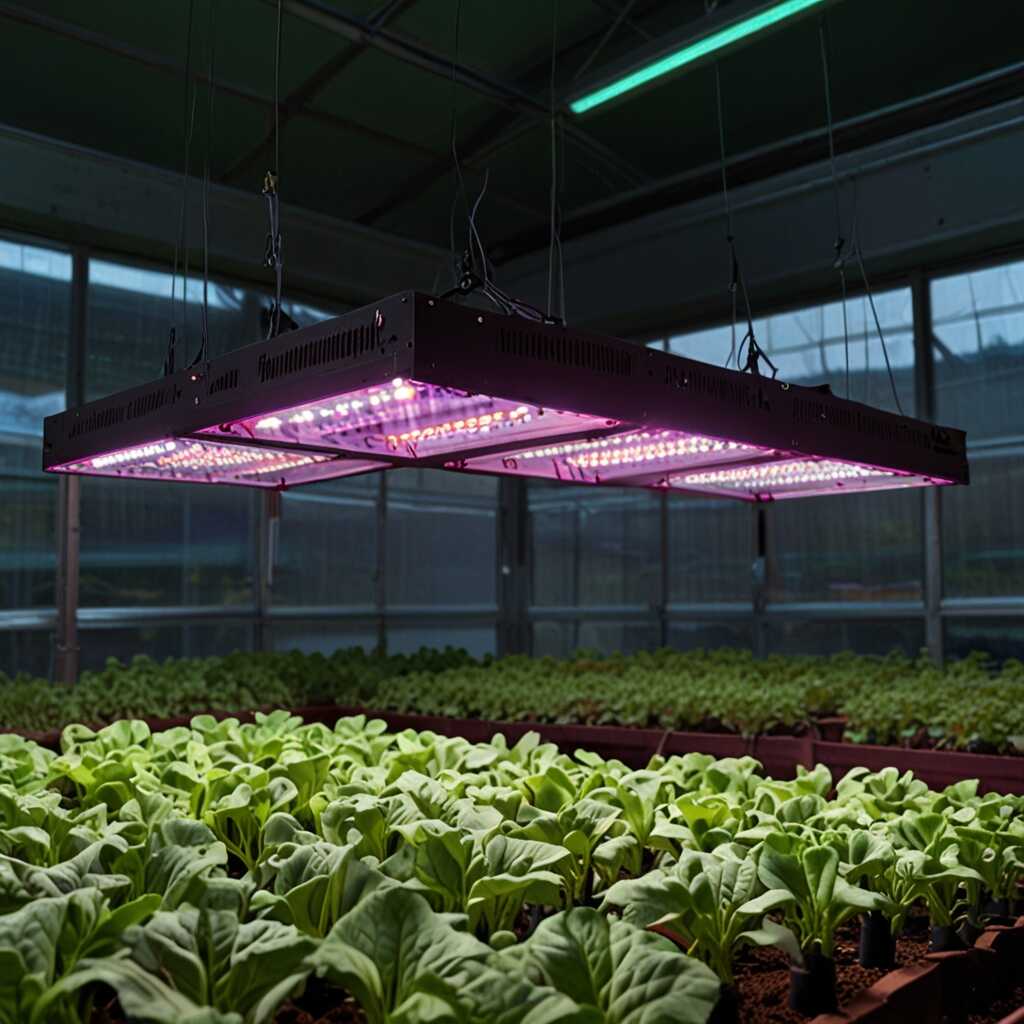
Successful moss cultivation under fluorescent lighting requires careful attention to humidity, temperature, and air circulation management. Maintain humidity levels between 60-80% using humidifiers, water trays, or enclosed terrariums to prevent moss desiccation. Temperature control becomes critical with fluorescent fixtures, as they generate more heat than LED alternatives. Position fans or ventilation systems to maintain air circulation while preventing direct airflow on moss surfaces. Glass containers or plastic sheeting helps create controlled microclimates that retain moisture while allowing light penetration.
Integrating Fluorescent Lights with Humidity and Temperature Control
Fluorescent fixtures generate approximately 20-30% more heat than LED systems, requiring additional environmental management strategies. Install timer-controlled exhaust fans to remove excess heat during peak lighting periods while maintaining humidity levels. Use thermostats to monitor growing area temperatures, adjusting fixture height or ventilation as needed. Mist moss surfaces 2-3 times daily when using fluorescent lighting to compensate for increased evaporation rates. Consider installing humidity controllers that automatically activate misting systems when levels drop below 60%, ensuring consistent moisture regardless of heat output from fluorescent bulbs.
Strategic Fluorescent Light Positioning and Timing for Maximum Growth
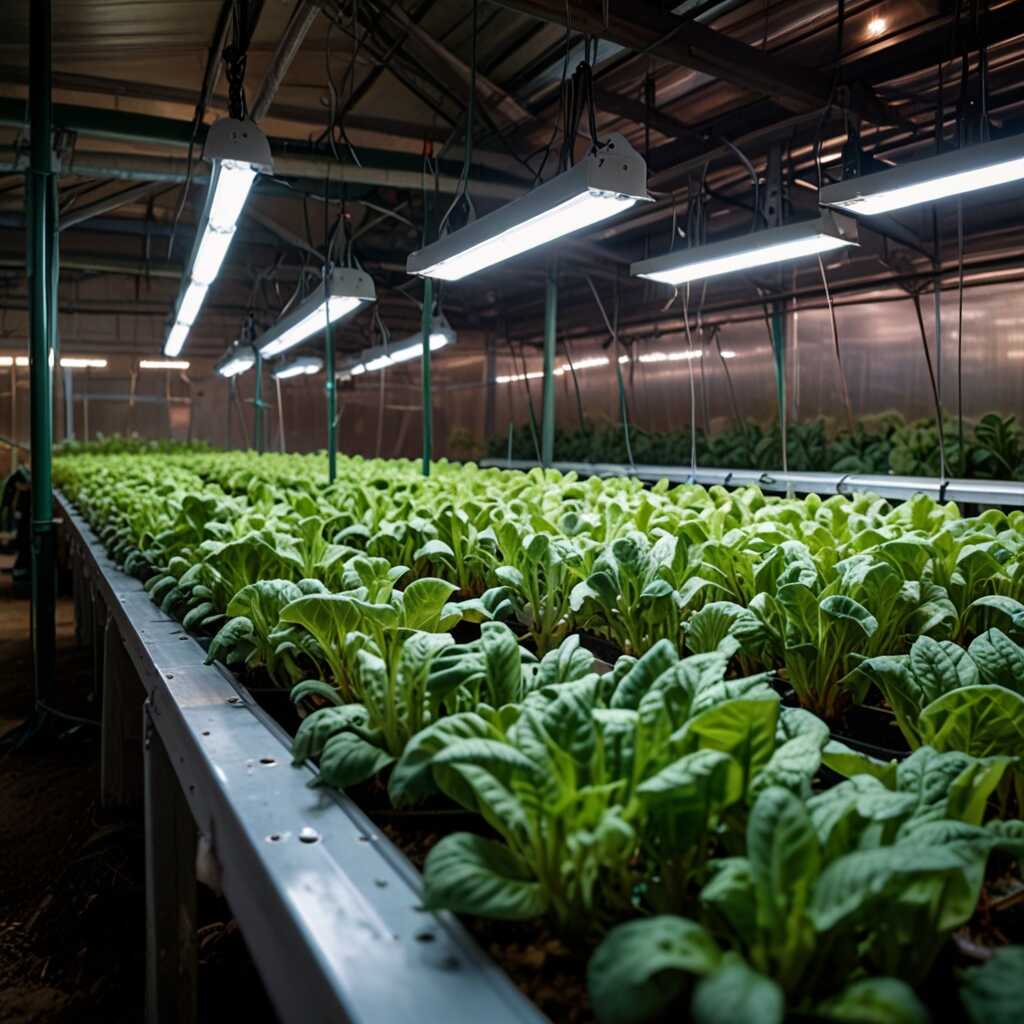
Proper fluorescent fixture placement significantly impacts moss growth rates and energy efficiency in indoor growing systems. Install fixtures 12-18 inches above moss surfaces to provide adequate light intensity while preventing heat damage from bulb proximity. Space multiple fluorescent tubes 8-12 inches apart to ensure even light distribution across growing areas. Use reflective materials like aluminum or white surfaces to increase light efficiency by 25-35%, reducing electricity costs. Implement timer systems that provide consistent 14-16 hour photoperiods for optimal photosynthetic activity and growth regulation.
Optimizing Light Schedules for Different Moss Growth Phases
Moss growth responds differently to lighting schedules during establishment, active growth, and dormant periods throughout the year. During initial establishment (first 2-4 weeks), provide 12-14 hours of fluorescent lighting to encourage root attachment without overwhelming new growth. Active growing seasons benefit from extended 16-18 hour photoperiods that maximize photosynthetic activity and biomass development. Winter dormancy periods require reduced lighting schedules of 8-10 hours daily to simulate natural seasonal changes. Gradually transition between photoperiods over 1-2 weeks to prevent shock and maintain healthy growth patterns throughout different development stages.
Key Benefits of Proper Fluorescent Lighting Management
- Even light distribution prevents patchy growth patterns across moss surfaces
- Controlled heat output maintains optimal temperature ranges for moss health
- Consistent photoperiods regulate natural growth cycles and reproductive timing
- Proper spacing maximizes coverage while minimizing energy consumption costs
- Timer systems eliminate manual lighting management and ensure schedule consistency
- Reflective surfaces increase light efficiency by up to 35% without additional fixtures
- Adjustable fixture heights accommodate different moss species and growth stages
Troubleshooting Common Fluorescent Lighting Problems in Moss Cultivation
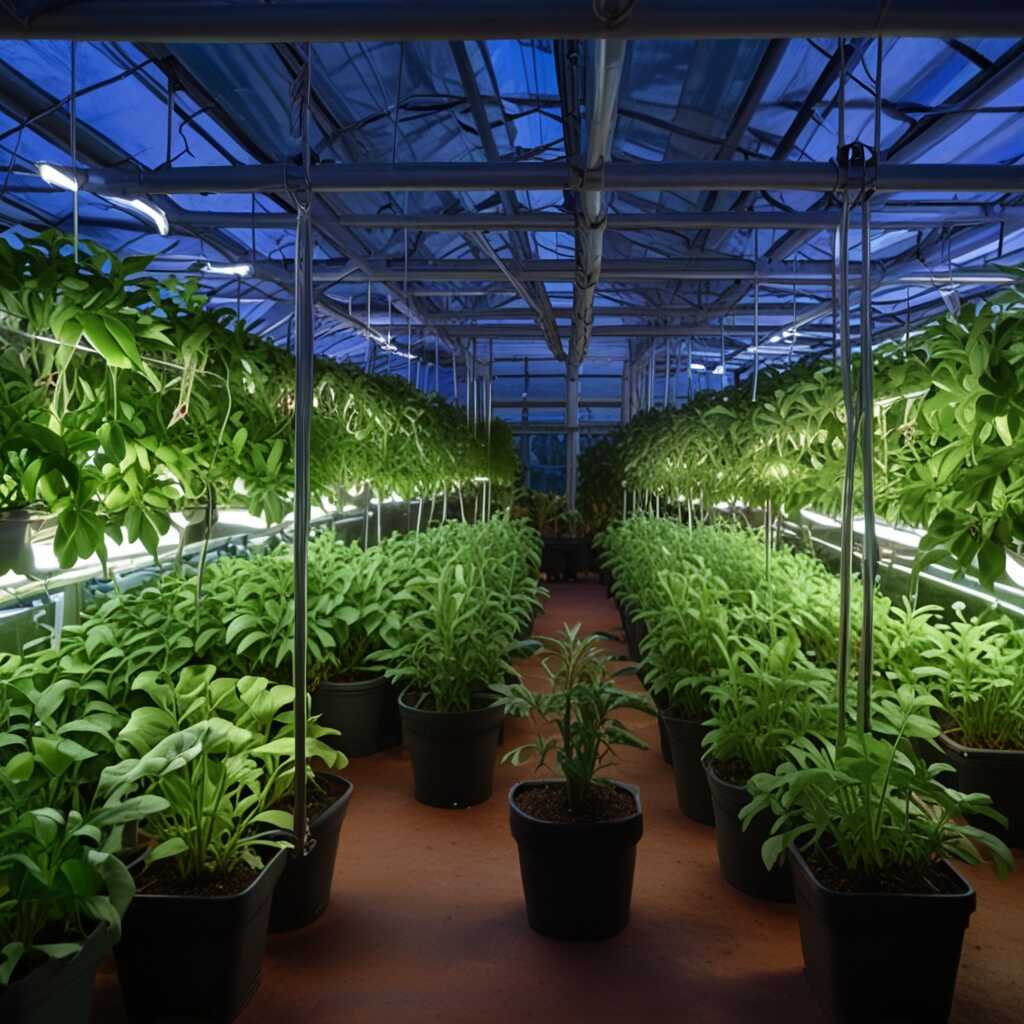
Indoor moss growers frequently encounter issues related to fluorescent bulb performance, heat management, and uneven growth patterns. Flickering or dimming fluorescent tubes indicate ballast problems or bulb replacement needs, both affecting moss photosynthesis efficiency. Excessive heat buildup from fluorescent fixtures can cause moss dehydration, requiring improved ventilation or increased misting frequency. Patchy growth often results from inadequate light distribution, solved by repositioning fixtures or adding reflective surfaces. Monitor moss color changes as indicators of lighting problems – yellowing suggests insufficient intensity while browning indicates heat stress or overexposure.
Diagnosing and Fixing Fluorescent Light-Related Moss Problems
Systematic troubleshooting helps identify specific fluorescent lighting issues affecting moss health and growth rates. Check bulb output using light meters to ensure fixtures provide 2000-4000 lumens per square foot consistently. Replace fluorescent tubes showing reduced brightness or color shifts, as aging bulbs lose spectrum quality essential for photosynthesis. Address heat problems by increasing fixture distance or improving air circulation around growing areas. Test humidity levels regularly, as fluorescent heat can reduce moisture below the 60% minimum required for healthy moss development. Document growth patterns weekly to identify recurring problems and adjust lighting schedules accordingly.
Combining Fluorescent-Grown Moss with Other Indoor Plants
Fluorescent lighting systems accommodate diverse plant combinations, allowing moss integration with compatible indoor species that share similar light requirements. Ferns, small orchids, and tropical houseplants thrive under the same fluorescent spectrum and photoperiod as moss varieties. Design mixed plantings by placing light-sensitive species closer to fluorescent fixtures while positioning moss in lower-intensity areas. Consider plant maturity rates when combining species, as moss establishes slowly compared to faster-growing companion plants. Maintain consistent watering schedules that satisfy both moss moisture requirements and companion plant needs throughout the growing season.
Selecting Complementary Plants for Fluorescent-Lit Moss Gardens
Choose companion plants based on shared environmental preferences including humidity levels, temperature ranges, and fluorescent light tolerance. Small ferns like maidenhair or button ferns complement moss textures while requiring similar growing conditions under fluorescent illumination. Air plants (Tillandsia species) work well in moss terrariums, utilizing ambient humidity without competing for root space. Avoid fast-growing species that might overwhelm slow-establishing moss colonies or require significantly different lighting schedules. Create visual interest through plant height variation, placing taller specimens near fixture edges where light intensity naturally decreases.
Popular Plant Combinations That Work Well With Fluorescent-Grown Moss
- Small fern varieties provide texture contrast while sharing moss humidity requirements
- Air plants utilize terrarium humidity without competing for growing space
- Small orchids like jewel orchids complement moss in low-light fluorescent conditions
- Baby tears create carpet effects similar to moss under fluorescent illumination
- Miniature begonias add color variation while tolerating moss-friendly humidity levels
- Small bromeliads work well in fluorescent-lit mixed plantings with adequate spacing
- Peperomia species provide foliage interest without overwhelming slow moss growth
Maintaining Fluorescent Lighting Systems for Long-Term Moss Success
Regular fluorescent system maintenance ensures consistent moss growth and prevents costly equipment failures over time. Clean fluorescent tubes monthly using soft cloths to remove dust buildup that reduces light output by 10-20%. Replace aging ballasts when fixtures begin flickering or producing inconsistent illumination that affects moss photosynthesis. Monitor bulb performance using light meters, replacing tubes when output drops below 80% of original intensity. Schedule fixture inspections every 3-6 months to check wiring connections, reflector condition, and mounting hardware stability. Keep replacement bulbs available to minimize growing disruptions when fluorescent tubes reach end-of-life periods.
Creating Maintenance Schedules for Optimal Fluorescent Performance
Develop systematic maintenance routines that maximize fluorescent fixture lifespan while ensuring consistent moss growing conditions. Weekly tasks include cleaning moss growing surfaces and checking humidity levels affected by fluorescent heat output. Monthly maintenance involves bulb cleaning, timer verification, and temperature monitoring around fixtures. Quarterly inspections should cover ballast performance, electrical connections, and reflector efficiency. Annual maintenance includes complete bulb replacement (even if still functional), ballast testing, and fixture deep cleaning. Document maintenance activities and moss growth responses to identify optimal replacement schedules and prevent equipment-related growing problems.