
Greenhouse grow lights are artificial lighting systems that significantly improve seed germination rates by providing essential wavelengths for plant development. These LED, fluorescent, or HID lighting solutions typically increase germination success by 30-95% compared to natural light alone, with positioning 6-24 inches above seedlings and daily exposure of 12-16 hours delivering optimal results for indoor gardening success.
What Are Greenhouse Grow Lights and How They Function
Greenhouse grow lights are specialized artificial lighting systems designed to replace or supplement natural sunlight for indoor plant cultivation. These lighting solutions work by emitting specific wavelengths of light that plants need for photosynthesis and healthy development. The most common types include LED grow lights, fluorescent grow lights, and high-intensity discharge (HID) systems, each offering different benefits for seed germination and plant growth.
LED grow lights represent the most energy-efficient option, consuming up to 75% less electricity than traditional lighting while providing full spectrum illumination. Fluorescent lights serve as budget-friendly alternatives, typically costing $20-80 for basic setups, making them suitable for beginners or small-scale operations. HID lights, including metal halide and high-pressure sodium varieties, deliver high-intensity output ideal for larger greenhouse spaces but require more cooling due to increased heat generation.
The Role of Light in Plant Development for Seed Germination
Light serves as the primary energy source for photosynthesis, the fundamental process that enables seed germination and early plant development. When seeds receive appropriate light wavelengths, they activate chlorophyll production and begin converting light energy into chemical energy necessary for growth. This process typically requires 12-16 hours of daily light exposure, with seedlings showing optimal development when receiving consistent, quality illumination.
The relationship between light and germination success depends on several factors: light intensity, spectrum composition, and duration of exposure. Research on greenhouse grow lights reveals that proper lighting conditions can reduce germination time by 25-50% while increasing overall success rates. Seeds exposed to inadequate lighting often develop weak, stretched stems and pale coloration, indicating insufficient energy production for healthy growth.
Understanding Photosynthesis in Seedling Development
Photosynthesis begins when light-sensitive proteins in seeds detect appropriate wavelengths, triggering the production of chlorophyll and other essential compounds. This process transforms carbon dioxide and water into glucose and oxygen, providing the energy foundation for all plant growth activities. Full spectrum grow lights enhance photosynthesis by delivering the complete range of wavelengths plants utilize most efficiently.
During the initial germination phase, seedlings depend entirely on stored energy within the seed until photosynthesis becomes fully operational. Quality grow lights accelerate this transition, typically within 5-10 days for most vegetable and herb varieties. The intensity and spectrum of artificial lighting directly influence how quickly seedlings establish their photosynthetic capacity and begin independent growth.
Effects of Different Light Types on Seed Germination
Different grow light technologies produce varying results for seed germination, with each type offering specific advantages for indoor cultivation. LED grow lights consistently deliver the best germination rates due to their ability to provide precise wavelength control and optimal intensity without excessive heat generation. These systems typically position 12-24 inches above seedlings and consume 20-50 watts per square foot of growing space.
Fluorescent grow lights work effectively for seed starting, particularly T5 and T8 fixtures that can be positioned 6-12 inches from seedlings without causing heat stress. While less energy-efficient than LEDs, fluorescent systems cost significantly less initially, with basic 2-foot fixtures ranging from $25-60. HID lights provide excellent penetration for dense plantings but require careful heat management and typically cost $100-300 for complete setups.
Comparing LED Performance for Seed Germination
LED grow lights demonstrate superior performance for seed germination due to their precise spectrum control and energy efficiency. Modern LED systems produce specific wavelength combinations that target the photosynthetic peaks plants use most effectively. Professional LED grow light reviews consistently show germination improvements of 40-80% compared to standard fluorescent alternatives.
The key advantage lies in LED technology’s ability to deliver intense light without generating excessive heat, allowing closer positioning to seedlings. This proximity ensures maximum light absorption while maintaining optimal temperature conditions for germination. Quality LED systems typically last 50,000+ hours and maintain consistent output throughout their lifespan, providing reliable performance for multiple growing seasons.
Choosing the Right Grow Lights for Your Greenhouse
Selecting appropriate grow lights for seed germination requires evaluating several factors: growing space size, plant types, budget constraints, and energy efficiency goals. For small-scale seed starting, fluorescent T5 fixtures provide adequate performance at reasonable cost, typically requiring 15-30 watts per square foot of coverage. Medium-sized operations benefit from LED panels that offer better energy efficiency and longer lifespan despite higher initial investment.
Large greenhouse operations often utilize HID systems or commercial LED arrays for maximum light penetration and uniform coverage. Professional greenhouse lighting setups typically combine multiple light types to achieve optimal spectrum distribution and intensity levels. The investment range varies from $50-200 for basic systems to $500-2000 for professional installations.
Cost Analysis of Different Grow Light Options
Understanding the cost implications of different grow light technologies helps make informed purchasing decisions. LED grow lights require higher upfront investment but offer superior long-term value through energy savings and extended lifespan. Initial costs typically range from $80-400 for quality LED systems, while operating costs remain 50-75% lower than alternatives.
Fluorescent systems present the lowest entry cost at $25-100 for basic setups, making them attractive for beginners or temporary growing situations. However, higher electricity consumption and frequent bulb replacements increase long-term operational expenses. HID lights fall between these options, with moderate initial costs but significant energy consumption and heat management requirements affecting total ownership costs.
Light Spectrum Requirements for Optimal Seed Growth
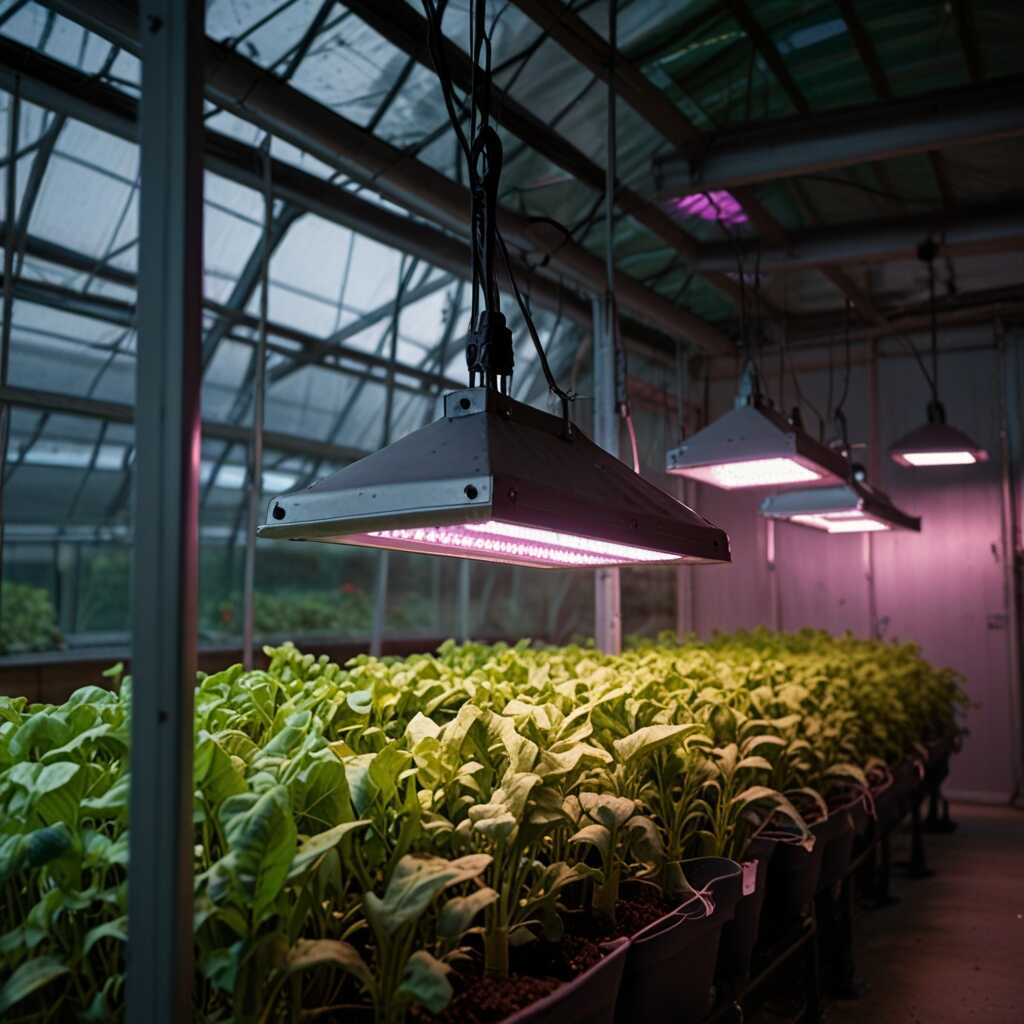
Light spectrum composition plays a critical role in seed germination success, with different wavelengths triggering specific plant responses. Blue light wavelengths (400-500 nanometers) promote strong stem development and compact growth, preventing the stretching that occurs under inadequate lighting conditions. Red light wavelengths (620-700 nanometers) stimulate root development and flowering responses, contributing to overall plant vigor.
The optimal spectrum for seed germination typically combines blue and red wavelengths in ratios ranging from 1:1 to 4:1, depending on plant species and growth stage requirements. Full spectrum LED systems provide this wavelength combination while including green and far-red components that enhance photosynthetic efficiency. Research indicates that seedlings receiving balanced spectrum lighting show 25-40% faster development compared to those under single-wavelength sources.
Understanding Red and Blue Light Functions
Red and blue light wavelengths serve distinct functions in plant development, making their proper balance essential for successful seed germination. Blue light primarily influences vegetative growth characteristics, promoting strong stem structure, dense foliage, and proper chlorophyll development. Plants receiving adequate blue light develop compact, sturdy seedlings better equipped to handle transplanting stress.
Red light wavelengths stimulate root system development and influence flowering responses in mature plants. During germination, red light helps establish robust root networks that improve nutrient uptake and overall plant stability. The combination of red and blue wavelengths creates synergistic effects that enhance overall plant performance beyond what either wavelength achieves alone.
Proper Positioning and Timing for Maximum Effectiveness
Correct positioning of grow lights determines germination success, with distance and duration requirements varying by light type and plant species. LED grow lights typically position 12-24 inches above seedlings, providing optimal intensity without heat stress. Fluorescent fixtures can be placed closer, usually 6-12 inches from plants, due to their lower heat output and reduced light intensity.
Timing recommendations suggest 14-16 hours of daily light exposure for most seed varieties, with some species requiring shorter photoperiods to prevent developmental problems. Consistent daily lighting schedules improve germination uniformity and seedling quality. Using programmable timers ensures reliable light cycles and reduces energy waste during periods when lighting provides minimal benefit.
Adjusting Light Distance as Seedlings Develop
Light positioning requires adjustment as seedlings develop, with distance modifications ensuring optimal intensity throughout the growth cycle. Newly germinated seeds typically benefit from closer light placement to provide maximum energy for initial development. As seedlings establish and grow taller, lights may need repositioning to maintain proper intensity and prevent heat damage.
Most successful growers start with lights positioned at the closer end of recommended ranges and gradually increase distance as plants mature. This approach maximizes light absorption during critical early stages while preventing light stress as seedlings develop larger leaf surfaces. Regular monitoring of seedling response helps determine optimal positioning for specific growing conditions.
Essential Guidelines for Grow Light Success
- Position LED lights 12-24 inches above seedlings for optimal intensity without heat stress
- Provide 14-16 hours of daily light exposure for most vegetable and herb varieties
- Use full spectrum lighting that includes both blue and red wavelengths for balanced development
- Monitor seedlings for stretching, which indicates insufficient light intensity or duration
- Adjust light distance as plants grow to maintain consistent intensity levels
- Choose grow lights with appropriate wattage for your growing space, typically 25-50 watts per square foot
- Consider energy efficiency ratings when comparing different lighting technologies for long-term savings
Common Mistakes That Reduce Germination Success
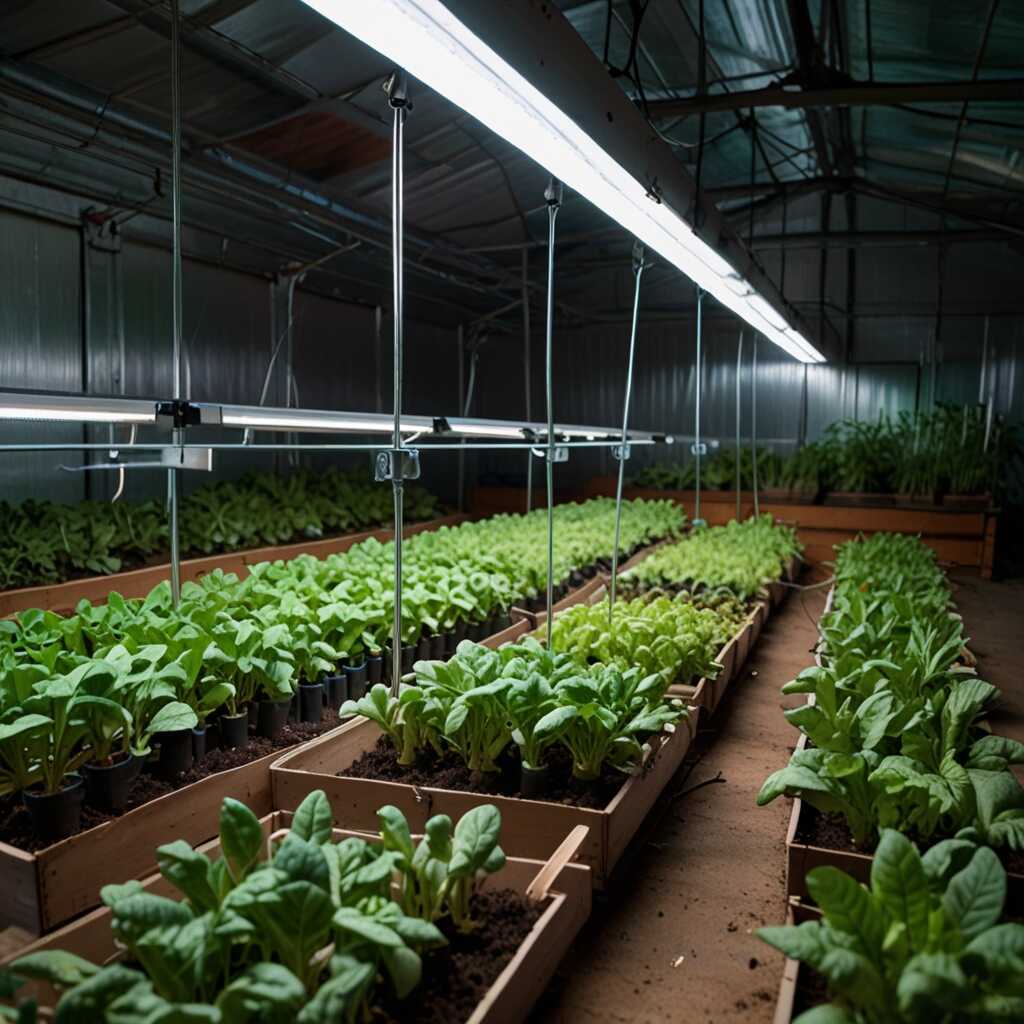
Several common errors significantly impact grow light effectiveness for seed germination, with improper positioning being the most frequent problem. Lights placed too far from seedlings fail to provide adequate intensity, resulting in weak, stretched plants with poor survival rates. Conversely, lights positioned too close can cause heat damage or light burn, particularly with HID systems that generate substantial heat during operation.
Inadequate daily light duration represents another critical mistake, with many growers providing insufficient hours of illumination for optimal germination. Research on grow light timing demonstrates that consistent 14-16 hour photoperiods significantly outperform irregular or shortened lighting schedules. Additionally, using inappropriate spectrum combinations or single-wavelength sources limits plant development potential.
Avoiding Heat Damage and Light Burn
Heat management becomes critical when using high-intensity grow lights, particularly HID systems that generate significant thermal output. Excessive heat can damage delicate seedlings, causing wilting, leaf burn, or complete germination failure. Proper ventilation and temperature monitoring help prevent these problems while maintaining optimal growing conditions.
Light burn occurs when seedlings receive excessive light intensity, typically manifesting as bleached or yellowing leaves despite adequate watering and nutrition. This condition often develops gradually, making early detection important for preventing permanent damage. Adjusting light distance, reducing daily exposure time, or installing dimmer controls helps manage light intensity for sensitive species.
Energy-Efficient Growing with Modern LED Technology
Modern LED grow lights offer significant sustainability advantages for indoor seed germination, consuming 50-80% less energy than traditional lighting technologies while delivering superior plant performance. These systems generate minimal heat waste, reducing cooling requirements and creating more stable growing environments. Quality LED fixtures typically last 50,000+ hours, eliminating frequent replacement needs and reducing environmental impact.
Energy efficiency considerations extend beyond electricity consumption to include heat management and cooling requirements. Full spectrum LED systems produce concentrated light output without excessive thermal generation, allowing closer positioning to plants and reduced ventilation needs. This efficiency translates to lower operating costs and reduced carbon footprint for indoor growing operations.
Calculating Return on Investment for LED Systems
LED grow lights typically recover their higher initial cost through energy savings within 18-36 months of operation, depending on usage patterns and local electricity rates. Professional cost analysis of grow lights shows that LED systems provide 3-5 year payback periods for most applications while delivering superior plant performance throughout their lifespan.
The calculation includes reduced electricity consumption, eliminated bulb replacement costs, and decreased cooling requirements compared to traditional lighting. For operations running lights 12+ hours daily, LED systems often achieve payback within the first growing season through energy savings alone. Long-term benefits include consistent light output, reduced maintenance requirements, and improved plant yields that further enhance return on investment.