
Grow lights are artificial lighting systems that significantly enhance flowering rates in greenhouse orchids by providing consistent, full-spectrum illumination. Popular options include LED grow lights, fluorescent tubes, and high-intensity discharge lamps, which typically operate for 12-14 hours daily. These lighting solutions simulate natural sunlight conditions, enabling orchid growers to maintain optimal growing environments year-round regardless of seasonal changes or weather conditions.
How Grow Lights Benefit Orchid Flowering and Growth
Grow lights provide essential benefits for orchid cultivation by delivering controlled light exposure that promotes consistent flowering cycles. These artificial lighting systems work by emitting specific wavelengths that orchids require for photosynthesis and bloom development. The primary benefits include extended growing seasons, predictable flowering schedules, and improved bloom quality. Different grow light types, such as LED and fluorescent systems, affect flowering rates based on their light spectrum output and energy efficiency. Studies show that using full spectrum LED lights can significantly improve flowering consistency compared to natural light conditions alone. These lighting systems enable growers to create optimal greenhouse conditions for their orchids, ensuring healthy development and sustainable cultivation practices.
Choosing the Right Grow Light for Orchids
Selecting appropriate grow lights for orchids requires understanding the specific light spectrum requirements essential for proper development. Full spectrum LED grow lights are particularly effective because they provide the complete range of wavelengths necessary for both vegetative growth and flowering phases. Quality LED systems designed for orchids emit light wavelengths between 400-700 nanometers, supporting robust blooming while maintaining energy efficiency. Proper placement involves positioning lights 12-24 inches above plants, depending on light intensity and heat output. Reliable grow light systems can operate continuously for extended periods with excellent efficiency, making them suitable for long-term orchid cultivation in greenhouse environments.
The Role of Full Spectrum Light in Plant Development
Full spectrum lighting plays a crucial role in orchid growth and flowering by providing the complete range of wavelengths that these plants utilize for different developmental processes. Blue light wavelengths (400-500nm) promote vegetative growth and strong root development, while red light (600-700nm) stimulates flowering and bloom production. This comprehensive lighting approach mimics natural sunlight conditions, ensuring orchids receive balanced spectral energy for all growth phases. Full spectrum grow lights enhance flowering rates by delivering consistent wavelength distribution that orchids need to thrive in controlled environments. Greenhouse owners typically find that orchids exposed to full spectrum lighting produce healthier foliage and more vibrant blooms compared to single-spectrum alternatives. For optimal results, most orchid varieties benefit from 12-14 hours of daily light exposure, which helps establish regular flowering cycles.
Understanding Light Spectrum for Orchids
The light spectrum significantly influences orchid development, with different wavelengths serving specific functions in plant metabolism and growth processes. Full spectrum lighting systems ensure orchids receive essential blue, red, and green wavelengths in appropriate proportions. Blue light promotes leaf development and robust root systems, while red light encourages flowering and reproductive processes. Indoor gardeners and greenhouse operators can replicate natural solar cycles by programming lighting systems with adjustable intensity settings. Efficient LED lighting systems enable precise spectrum control, allowing growers to optimize light quality for specific orchid species and growth stages. A reliable setup with LED grow lights provides the spectral flexibility needed for successful orchid cultivation. Research demonstrates that proper spectrum management leads to improved orchid flowering rates and extended bloom duration in greenhouse environments.
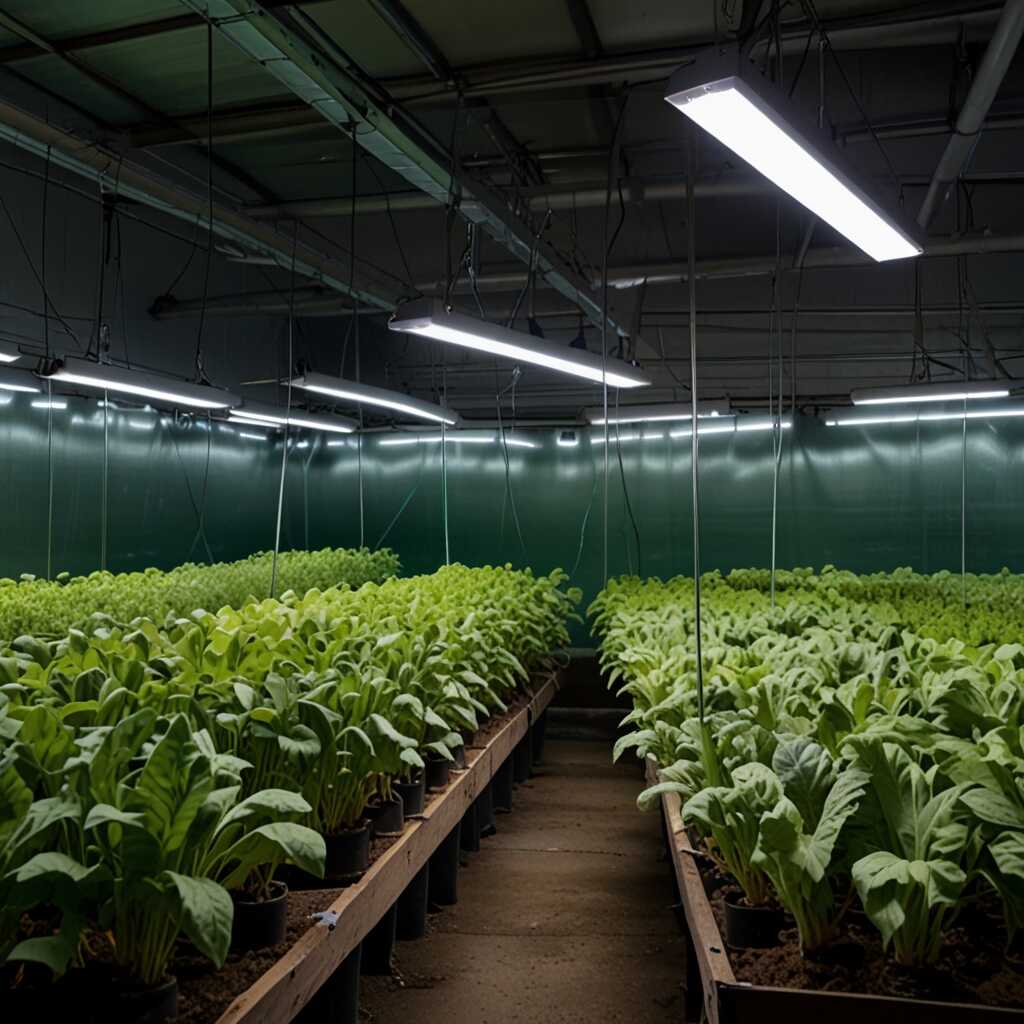
Creating Optimal Light Environments for Greenhouse Orchids
Greenhouse orchids require carefully controlled light conditions to achieve optimal flowering rates and healthy growth patterns. The recommended light intensity for most orchid species ranges from 1,000 to 2,500 foot-candles, providing sufficient energy for photosynthesis without causing leaf damage or stress. Different grow light technologies offer varying advantages for orchid cultivation. LED systems provide full spectrum lighting with excellent energy efficiency and minimal heat output, while fluorescent lights offer moderate intensity suitable for light-sensitive orchid varieties. The optimal daily light exposure for orchids typically ranges from 12-14 hours, with some species requiring slight adjustments based on their natural habitat preferences. This consistent lighting schedule promotes regular flowering cycles and supports balanced plant development throughout the year.
Understanding the Role of Spectrum in Orchid Growth
Light spectrum composition critically affects orchid growth patterns, with specific wavelengths triggering different physiological responses in these plants. Orchids utilize blue wavelengths (400-500nm) for vegetative development and chlorophyll production, while red wavelengths (600-700nm) activate flowering hormones and reproductive processes. Full spectrum grow lights that incorporate both wavelength ranges enable orchids to complete their natural growth cycles in controlled environments. Quality LED lighting systems allow greenhouse operators to adjust spectrum composition based on seasonal requirements or specific orchid varieties. Research indicates that orchids receiving balanced spectrum lighting develop stronger root systems, healthier foliage, and more consistent flowering patterns. Providing the right light spectrum is essential for maintaining optimal orchid health and maximizing bloom production in greenhouse settings.
Cost and Installation Considerations for Orchid Grow Lights
The cost of grow light systems for orchid cultivation varies significantly depending on technology type, coverage area, and quality specifications. LED grow light systems typically range from $50-300 for small greenhouse setups, while larger commercial installations may cost $500-2,000 or more. Installation requirements include proper electrical connections, mounting hardware, and timer controls for automated operation. Most LED systems consume 20-50 watts per square foot of growing space, resulting in moderate electricity costs for typical home greenhouse applications. Fluorescent alternatives offer lower initial costs but require more frequent bulb replacements and consume more energy over time. Professional installation may be necessary for larger systems or complex electrical requirements, adding $200-500 to total project costs.
Numerical Insights into Grow Light Usage
- Optimal light duration for orchids is 12-14 hours daily.
- Many orchids experience improved flowering consistency with proper lighting.
- LED grow lights consume up to 80% less energy than traditional incandescent options.
- Plants exposed to grow lights can show flowering responses within 4-8 weeks under optimal conditions.
- Humidity levels should remain between 50-70% for best results.
- Full spectrum lights cover wavelengths from 400-700nm for optimal growth.
- Recommended light intensity ranges from 1000 to 2500 foot-candles for orchids.
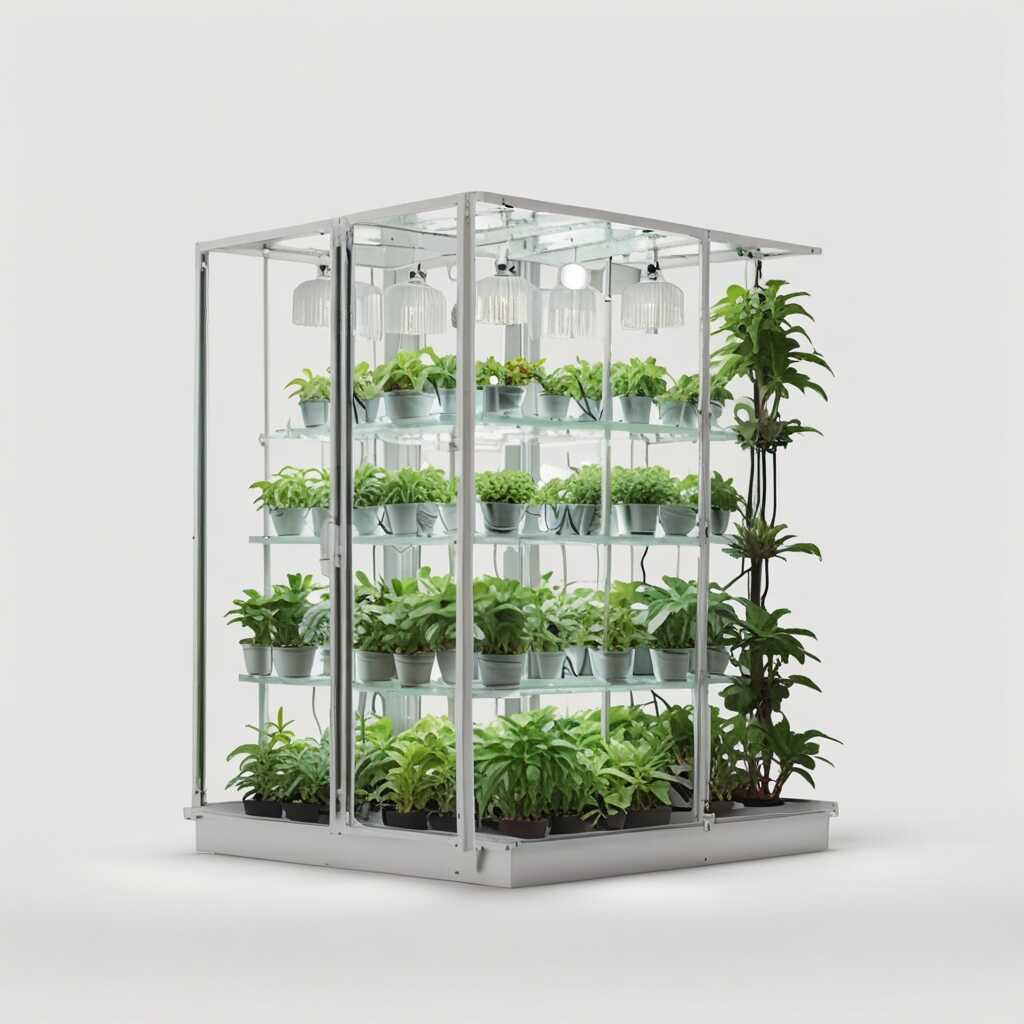
Advantages of Energy Efficient Grow Lights for Sustainable Cultivation
Modern LED grow light technology offers substantial energy efficiency advantages compared to traditional lighting options for orchid cultivation. These advanced lighting systems consume significantly less electricity while maintaining high light output levels, supporting sustainable greenhouse operations. Energy-efficient grow lights reduce operating costs and environmental impact while providing reliable illumination for orchid flowering and growth. LED grow lights specifically designed for orchids enhance flowering rates and plant health while supporting eco-friendly cultivation practices. LED systems typically operate for 50,000+ hours before requiring replacement, significantly reducing maintenance needs and waste generation. This longevity increases system reliability and minimizes the overall environmental footprint of greenhouse orchid cultivation.
Understanding the Impact of LED Grow Lights on Orchid Growth
LED grow lights have a profound impact on orchid cultivation by providing precise spectrum control that optimizes photosynthetic efficiency. The full spectrum output from quality LED systems closely mimics natural sunlight, supporting all stages of orchid development from vegetative growth to flowering phases. Orchids grown under properly configured LED lighting typically exhibit improved health indicators and more predictable bloom cycles. The adjustable intensity and programmable duration features of LED systems allow greenhouse operators to create customized lighting schedules that maximize plant performance while minimizing energy consumption. This technological flexibility proves particularly valuable for commercial orchid growers seeking to optimize production efficiency and achieve sustainable cultivation goals.
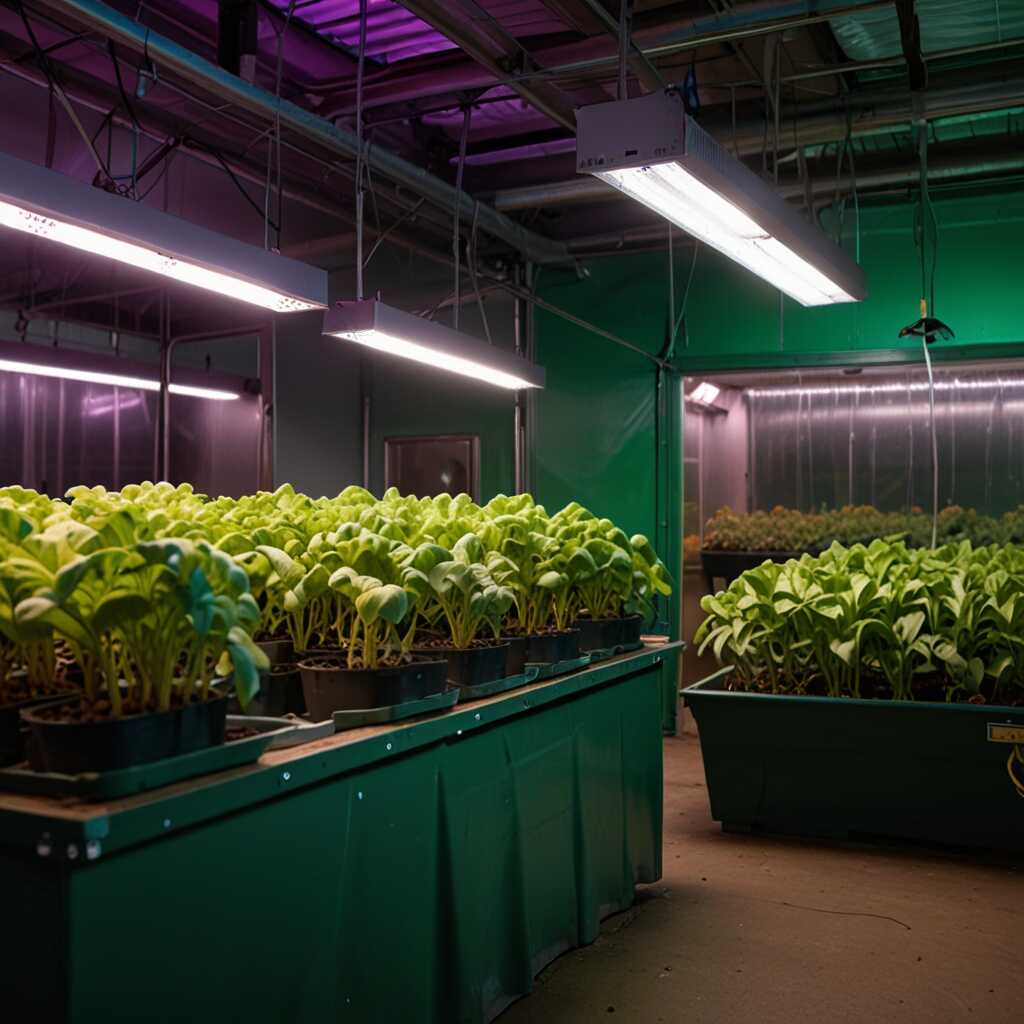
Effective Strategies for Arranging Grow Lights in Greenhouses
Proper grow light positioning requires careful consideration of plant height, light intensity, and coverage patterns to achieve optimal orchid flowering results. Most grow lights should be mounted 12-24 inches above orchid canopies, with exact distances depending on light type and intensity specifications. LED systems generate minimal heat, allowing closer placement for maximum light efficiency, while high-intensity discharge lights require greater distances to prevent heat stress. Different orchid species have varying light requirements that influence positioning strategies. Phalaenopsis orchids thrive under moderate light conditions, while Cattleya species require brighter illumination for optimal flowering. Effective grow light arrangements typically use horizontal mounting systems to ensure even light distribution across growing areas. The recommended daily light duration ranges from 12-16 hours, simulating natural tropical conditions that promote healthy orchid development and consistent flowering cycles.
Understanding Orchid Light Requirements for Optimal Growth
Different orchid species exhibit distinct light preferences that significantly influence their growth patterns and flowering success. Phalaenopsis orchids prefer moderate, indirect lighting and respond well to fluorescent systems positioned 12-18 inches above the plants. Cattleya orchids require more intense illumination and benefit from high-output LED systems placed at optimal distances for maximum light penetration. Light meters provide valuable tools for measuring actual light intensity in foot-candles, helping growers achieve appropriate levels for each orchid variety. Regular monitoring allows for lighting adjustments based on plant responses, including leaf color changes or growth patterns that indicate optimal or excessive light exposure. Understanding proper light requirements through careful observation enables growers to create optimal environments that promote vigorous growth, enhanced flowering rates, and sustainable cultivation practices in greenhouse settings.
Advantages of Using Artificial Lighting for Orchids
- Enhances blooming by providing consistent light conditions throughout the year.
- Increases flowering cycle predictability across different orchid species.
- Promotes healthy growth during periods of insufficient natural light.
- Optimizes growing conditions regardless of seasonal variations or weather.
- Enables precise control over light quality, intensity, and duration.
- Supports sustainable practices through energy-efficient LED technology.
- Encourages vigorous development while improving overall plant health.
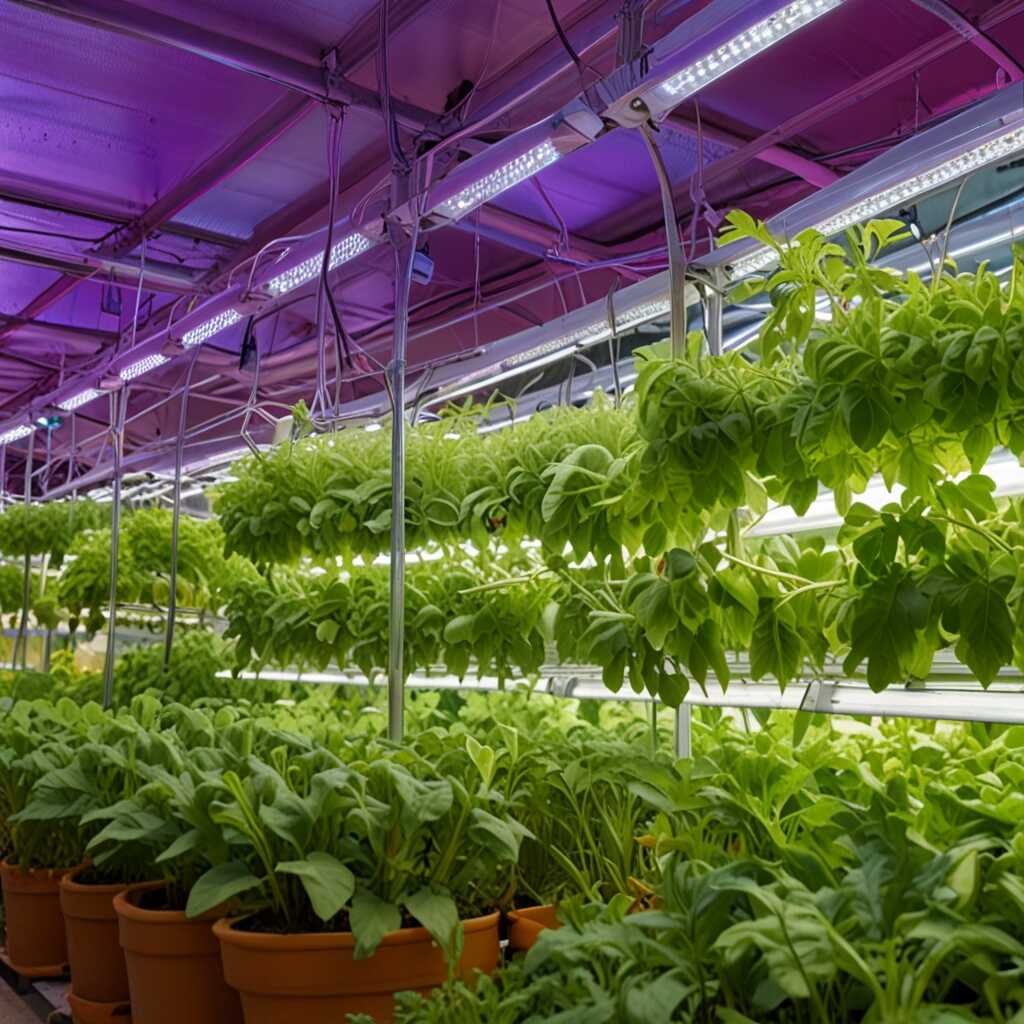
Common Challenges to Orchid Flowering and How to Overcome Them
Orchid growers frequently encounter challenges including insufficient lighting, improper humidity levels, and inadequate fertilization that can significantly impact flowering success. Insufficient light represents a primary obstacle, preventing orchids from receiving adequate energy for bloom development and maintenance. Quality grow lights address this limitation by providing reliable, full-spectrum illumination that supports consistent flowering cycles. Humidity levels below 40% often lead to reduced flowering performance, while excessive watering can cause root damage that inhibits bloom production. Implementing grow light systems helps maintain stable environmental conditions by reducing humidity fluctuations associated with natural light variations. Fertilization timing and nutrient balance also affect flowering success, with orchids requiring appropriate nutrition during specific growth phases. Regular monitoring of soil moisture, lighting conditions, and nutrient levels enables growers to identify and address potential issues before they impact plant health and flowering performance.
Choosing the Right Grow Lights for Orchids
Selecting appropriate grow lights for orchid cultivation requires evaluating several key factors including spectrum quality, energy efficiency, and durability specifications. Full-spectrum LED systems provide optimal results by delivering the complete wavelength range that orchids utilize for photosynthesis and flowering processes. Good quality LED grow light provides excellent energy efficiency with operational lifespans exceeding 50,000 hours while ensuring consistent light distribution across growing areas. Most orchid varieties respond well to 12-14 hours of daily light exposure, which helps establish regular flowering patterns and supports healthy plant development. Reputable manufacturers often offer specialized systems designed specifically for orchid cultivation, featuring adjustable intensity controls for different growth stages and species requirements.
Troubleshooting Common Grow Light Problems with Orchids
Common grow light issues with orchid cultivation include inadequate light penetration, heat stress, and uneven light distribution that can negatively affect flowering and plant health. Inadequate light penetration often occurs when lights are positioned too far from plants or when insufficient wattage is used for the growing area. Heat stress typically results from placing high-intensity lights too close to orchids, causing leaf burn or dehydration symptoms. Uneven light distribution creates areas of excessive or insufficient illumination, leading to inconsistent growth patterns across the greenhouse. These problems can be resolved by adjusting light height, upgrading to more efficient LED systems, or adding reflective materials to improve light distribution. Regular monitoring of plant responses helps identify lighting issues early, allowing for timely adjustments that maintain optimal growing conditions.
Adjusting Lighting Practices According to Seasonal Changes
Seasonal lighting adjustments play a crucial role in maintaining optimal flowering rates for greenhouse orchids throughout the year. During spring and summer months, orchids typically benefit from longer daily light exposure periods of 14-16 hours to support active growth and flowering phases. Fall and winter seasons may require reduced lighting duration of 10-12 hours to allow for natural rest periods that many orchid species require. Environmental factors including ambient temperature and humidity levels significantly influence optimal lighting requirements and should be monitored regularly. Full spectrum grow lights provide essential wavelength consistency that helps orchids maintain healthy development patterns regardless of seasonal variations in natural sunlight. Maintaining consistent lighting schedules promotes predictable flowering cycles and enables orchids to thrive in controlled greenhouse environments year-round.
Important Environmental Factors to Consider for Orchids
Environmental factors beyond lighting significantly impact orchid health and flowering success in greenhouse settings. Light intensity monitoring becomes critical when adjusting for seasonal changes, with consideration for the distance between light sources and plant canopies. Structural elements such as greenhouse glazing and ventilation systems can create shadows or uneven light distribution that affects plant development. Temperature management requires coordination with lighting systems, as some grow lights generate heat that influences overall greenhouse climate control. Humidity levels between 40-70% work synergistically with proper lighting to maximize orchid health and flowering potential. Regular evaluation of these interconnected factors ensures orchids receive optimal growing conditions that promote vigorous development and consistent bloom production throughout all seasons.
Various User Preferences and Applications for Grow Lighting
- Hobbyist growers appreciate lower energy costs and simple installation procedures.
- Commercial operations benefit from predictable flowering schedules and improved yields.
- Educational institutions use grow lights to demonstrate plant biology and photosynthesis.
- Environmental advocates support energy-efficient lighting technologies for sustainability.
- Small-space gardeners enjoy flexible lighting options for compact growing areas.
- Professional nurseries utilize grow lights to achieve faster development rates.
- Research facilities investigate plant responses to various light spectrum combinations.
How to Select the Best Grow Lights for Orchids
Selecting optimal grow lights for orchid cultivation involves evaluating several critical factors that affect both plant performance and operational efficiency. Light spectrum quality represents the most important consideration, as orchids require full-spectrum illumination that includes both vegetative and flowering wavelengths. Energy efficiency becomes increasingly important for long-term operation, with LED systems offering superior performance compared to traditional lighting technologies. LED grow lights are a reliable choice that combines low energy consumption with extended operational life and consistent light output. Different orchid species exhibit varying light intensity preferences, with some requiring bright conditions while others thrive under moderate illumination levels. Power requirements typically range from 20-50 watts per square foot of growing space, depending on orchid species and desired growth outcomes.
Understanding Light Spectrum Needs for Different Orchid Species
Orchid species demonstrate distinct light spectrum preferences that influence their growth patterns and flowering success rates. Phalaenopsis orchids respond well to moderate light intensity with balanced blue and red wavelengths, while Cattleya orchids require brighter conditions with enhanced red spectrum content for optimal flowering. Full-spectrum grow lights provide essential wavelengths ranging from 400-700 nanometers, supporting both photosynthetic processes and flowering hormone production. Quality lighting systems offer adjustable spectrum capabilities that allow growers to customize light output for specific orchid varieties and growth stages. Some advanced LED systems include programmable features that automatically adjust spectrum composition throughout daily cycles, mimicking natural sunlight patterns that promote healthy orchid development and consistent flowering performance in greenhouse environments.