
Grow lights are artificial lighting systems that significantly enhance ornamental shrub growth in greenhouse environments during winter months. These specialized LED fixtures provide essential light spectrums between 400-700 nanometers, replacing diminished natural sunlight. Most greenhouse gardeners use full-spectrum LED grow lights like those from reputable manufacturers, which typically cost between $50-300 depending on coverage area and features.
What Are Grow Lights and How Do They Support Plant Growth
Grow lights are artificial light sources designed to supplement natural sunlight for greenhouse plant cultivation during winter months. These lighting systems work by emitting specific wavelengths that drive photosynthesis, the process plants use to convert light into energy. For ornamental shrubs, grow light benefits include extended growing seasons, improved foliage density, enhanced flowering potential, and stronger root development even when outdoor conditions are harsh. LED grow lights represent the most energy-efficient option, consuming up to 75% less electricity than traditional incandescent bulbs while providing superior light quality. However, limitations include initial investment costs and the need for proper positioning to avoid light burn on sensitive plants.
Choosing the Right Grow Light for Ornamental Shrubs
When selecting grow lights for ornamental shrubs, spectrum output becomes the primary consideration since different wavelengths affect plant development stages differently. Full spectrum LED grow lights are the preferred choice because they emit complete wavelength ranges from 400-700 nanometers, supporting both vegetative growth and flowering phases. Energy efficiency ratings matter significantly for long-term operational costs, with quality LED systems lasting 50,000+ hours while reducing electricity expenses. Proper placement requires positioning lights 12-24 inches above plant canopies, with daily exposure times ranging from 12-16 hours depending on shrub species and growth objectives.
Understanding the Light Spectrum and Its Effect on Shrub Growth
The light spectrum produced by grow lights directly influences how ornamental shrubs develop throughout their growth cycles. Blue light wavelengths (400-500nm) promote compact, bushy growth by encouraging strong stem development and dense foliage formation. Red light spectrums (600-700nm) trigger flowering responses and enhance fruit production in appropriate shrub varieties. Green light (500-600nm) penetrates deeper into plant canopies, supporting photosynthesis in lower leaves that might otherwise receive insufficient illumination. Different shrub species respond uniquely to these spectral combinations, with azaleas preferring blue-heavy spectrums during vegetative phases while camellias benefit from red-enriched lighting during bloom periods.
Selecting the Best Grow Lights for Different Shrub Types
When choosing grow lights for specific ornamental shrubs, matching light characteristics to plant requirements ensures optimal growth outcomes. Flowering shrubs like rhododendrons thrive under full-spectrum systems that provide balanced blue and red wavelengths throughout their development cycle. Full-spectrum LED grow lights to mimic natural sunlight work exceptionally well for mixed shrub collections since they accommodate diverse spectral needs simultaneously. Foliage-focused varieties such as boxwood respond better to blue-heavy spectrums that promote leaf density and compact growth habits. Understanding these relationships helps gardeners select appropriate lighting solutions while avoiding common mistakes like using single-spectrum lights for diverse plant collections.
Factors to Consider When Choosing Grow Lights for Your Greenhouse
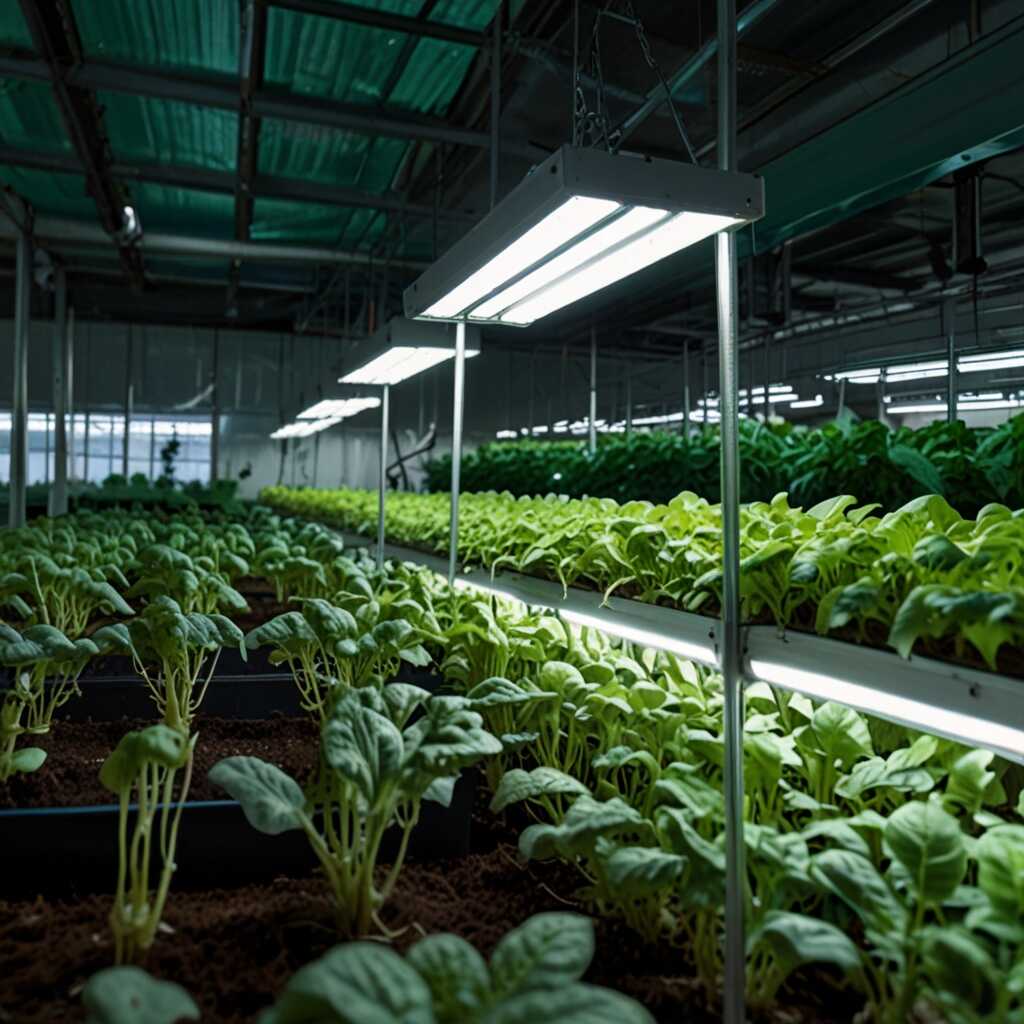
When selecting grow lights for greenhouse ornamental shrubs, several critical factors determine both success and cost-effectiveness of your investment. Energy efficiency directly impacts operating expenses, with LED systems consuming 60-80% less electricity than traditional alternatives while providing superior light quality. Light intensity requirements vary significantly among shrub species, with sun-loving varieties needing 400-600 PPFD (photosynthetic photon flux density) while shade-tolerant plants thrive at 200-400 PPFD levels. Coverage area calculations become essential since most residential LED panels effectively illuminate 2-4 square feet when positioned at recommended heights. Cost considerations include initial equipment purchases ranging from $50-300 per fixture, plus ongoing electricity expenses that LED systems minimize through improved efficiency.
Comparing LED and HPS Grow Lights for Shrub Cultivation
LED grow lights are highly recommended for greenhouse applications due to superior energy efficiency, precise spectrum control, and reduced heat generation compared to High Pressure Sodium (HPS) alternatives. LED systems provide adjustable spectrum output that accommodates different growth phases, allowing gardeners to optimize blue light for vegetative development and red light for flowering periods. HPS lights generate substantial heat that requires additional ventilation systems, increasing both installation complexity and operating costs. While HPS fixtures typically cost less initially ($100-200), LED systems offer better long-term value through lower electricity consumption, longer lifespans (50,000+ hours), and reduced cooling requirements that HPS lighting demands.
Key Performance Metrics for Different Grow Light Technologies
- LED systems typically provide 12-16 hours of optimal daily illumination for ornamental shrubs.
- Modern greenhouse operations achieve 60-70% of their winter growth using artificial lighting supplementation.
- Energy-efficient LED fixtures consume 40-60 watts per square foot of coverage area.
- Plants exposed to grow lights can grow 30% faster during winter months when natural light is limited.
- Full spectrum lighting systems effectively cover wavelengths from 380-750 nanometers for complete plant support.
- Properly implemented grow light systems can increase winter shrub vigor by 20-40% compared to natural light alone.
- Optimal greenhouse temperatures of 60-70°F work synergistically with grow light systems for enhanced growth.
Optimal Techniques for Utilizing Grow Lights in Winter Care
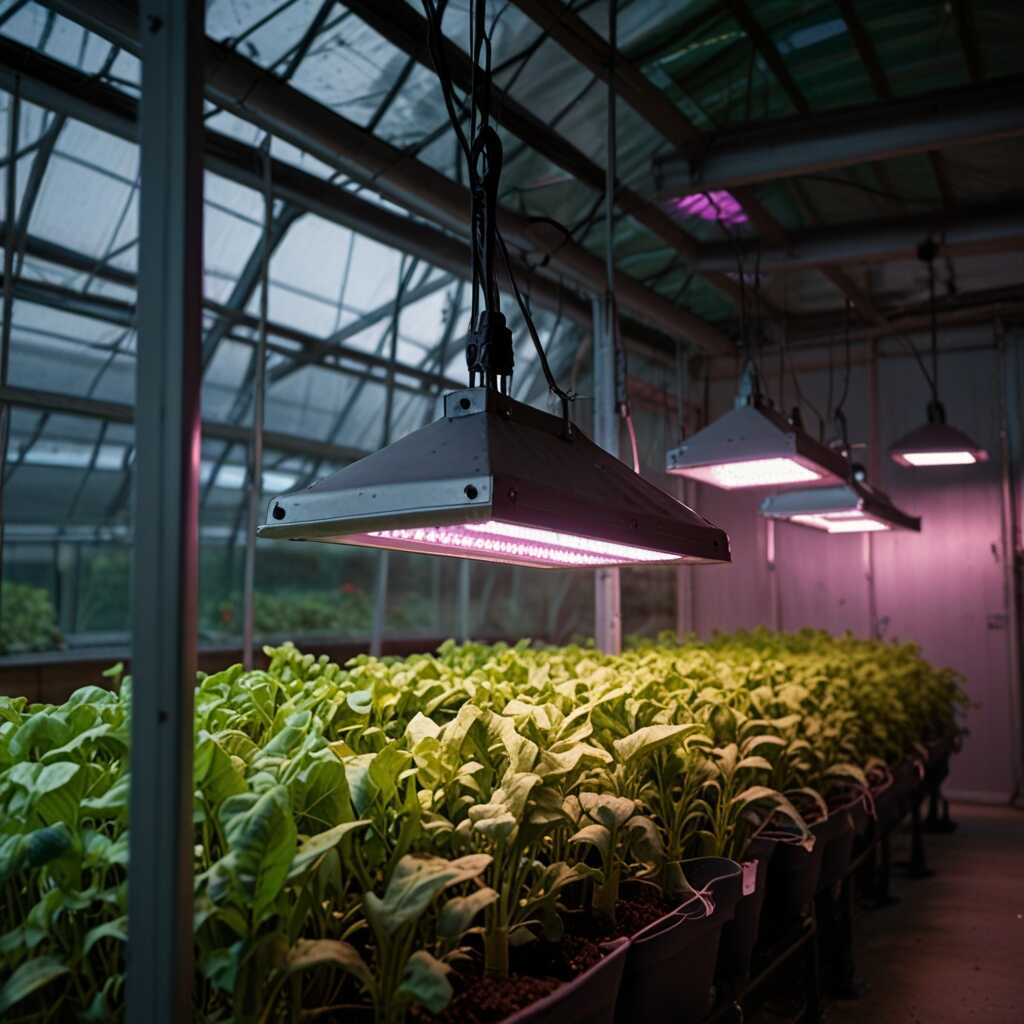
Effective grow light implementation requires strategic positioning and timing to maximize ornamental shrub development during winter months. Position LED fixtures 12-18 inches above compact shrubs and 18-24 inches above taller varieties to ensure adequate light penetration without causing heat stress or photoinhibition. Spectrum LED lights that simulate natural sunlight work best when combined with available daylight through south-facing windows, extending total daily light exposure to 14-16 hours. Light duration should be adjusted seasonally, with longer photoperiods (16 hours) during deepest winter months and shorter periods (12 hours) as spring approaches. Timer systems ensure consistent lighting schedules while preventing energy waste during periods when natural light becomes adequate.
Strategic Placement Techniques for Maximum Efficiency
Proper grow light placement maximizes energy efficiency while ensuring uniform illumination across all ornamental shrubs in your greenhouse space. Install adjustable mounting systems that allow height modifications as plants grow, maintaining optimal distance relationships throughout the growing season. Position multiple fixtures to eliminate shadowing between plants, creating overlapping light patterns that provide comprehensive coverage. Reflective materials placed around growing areas can increase light utilization efficiency by 15-25%, reducing the number of fixtures needed for adequate illumination. Monitor plant responses regularly, adjusting light height and duration based on leaf color, growth rate, and overall plant vigor to optimize results.
How to Assess Plant Health Under Grow Lights
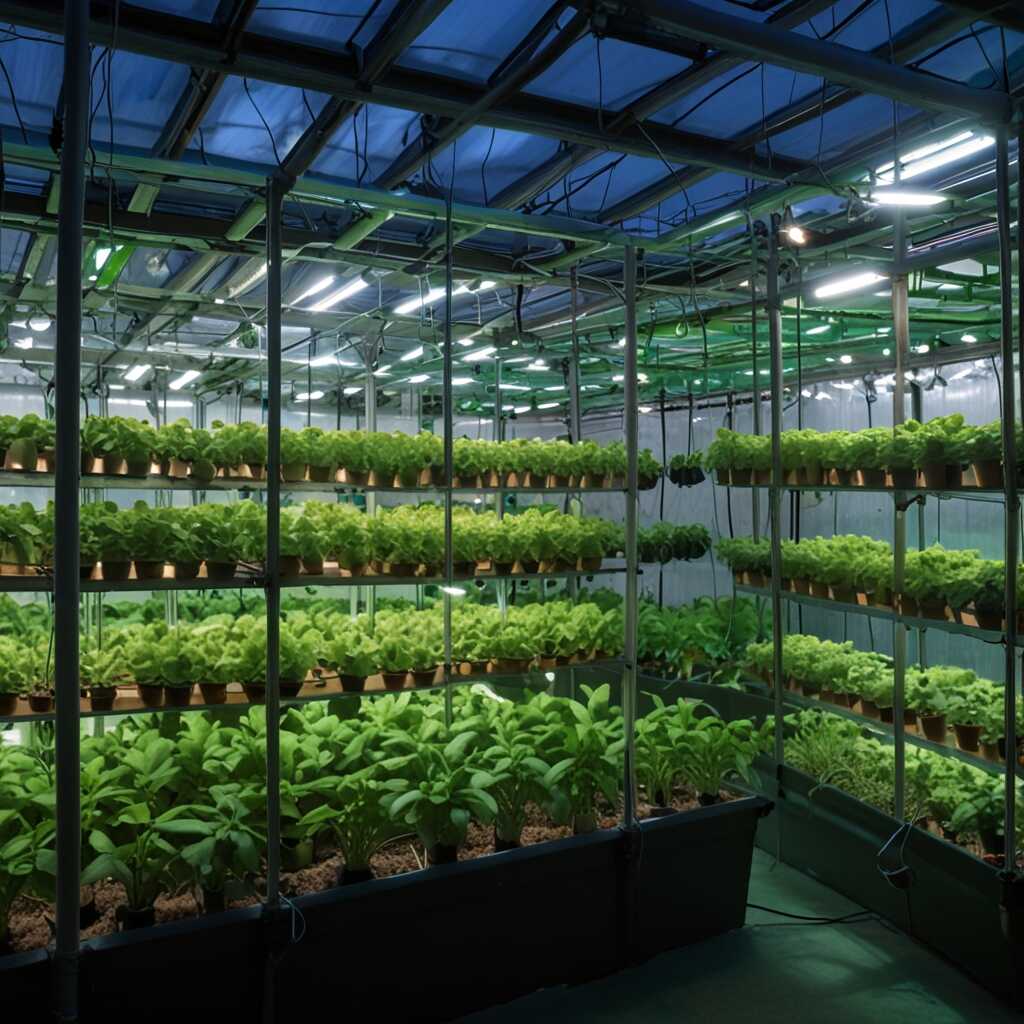
Monitoring ornamental shrub health under grow light systems requires observing multiple indicators that reveal whether lighting conditions are supporting optimal development. Healthy shrubs display vibrant green foliage with uniform coloration, steady upward growth patterns, and regular production of new shoots and buds throughout winter months. Signs of inadequate lighting include pale or yellowing leaves, elongated stems (etiolation), reduced flowering, and slower overall growth rates compared to expected development timelines. Excessive lighting manifests as leaf scorching, brown leaf margins, or stunted growth despite adequate nutrients and water. Weekly assessments allow for timely adjustments to light intensity, duration, or positioning before problems become severe.
Key Health Indicators and Troubleshooting Methods
Successful grow light management depends on recognizing and responding to specific plant health indicators that reveal lighting effectiveness. Deep green foliage with proper leaf size indicates optimal light intensity, while pale or oversized leaves suggest insufficient illumination requiring closer fixture positioning or longer daily exposure. New growth appearance and development rate provide excellent feedback about lighting success, with healthy shrubs producing regular new shoots and maintaining compact growth habits. Pest and disease monitoring becomes particularly important under artificial lighting since some conditions can promote fungal issues if humidity and air circulation aren’t properly managed alongside lighting systems.
Benefits of Supplemental Lighting for Greenhouse Horticulture
- Enhanced photosynthesis rates through optimized light spectrum delivery supporting robust plant development.
- Accelerated winter growth patterns allow ornamental shrubs to maintain active development despite limited natural sunlight.
- Consistent daily light exposure reduces plant stress and promotes uniform growth characteristics throughout the growing season.
- Precise control over light intensity and duration enables customized growing conditions for different shrub species and varieties.
- Protected indoor environments combined with grow lights reduce pest pressure and disease incidence compared to outdoor cultivation.
- Enhanced visual appeal of greenhouse spaces through vibrant, healthy plants that remain attractive throughout winter months.
- Sustainable growing practices through energy-efficient LED systems that minimize environmental impact while maximizing plant health.
Common Pitfalls to Avoid When Using Grow Lights for Shrubs
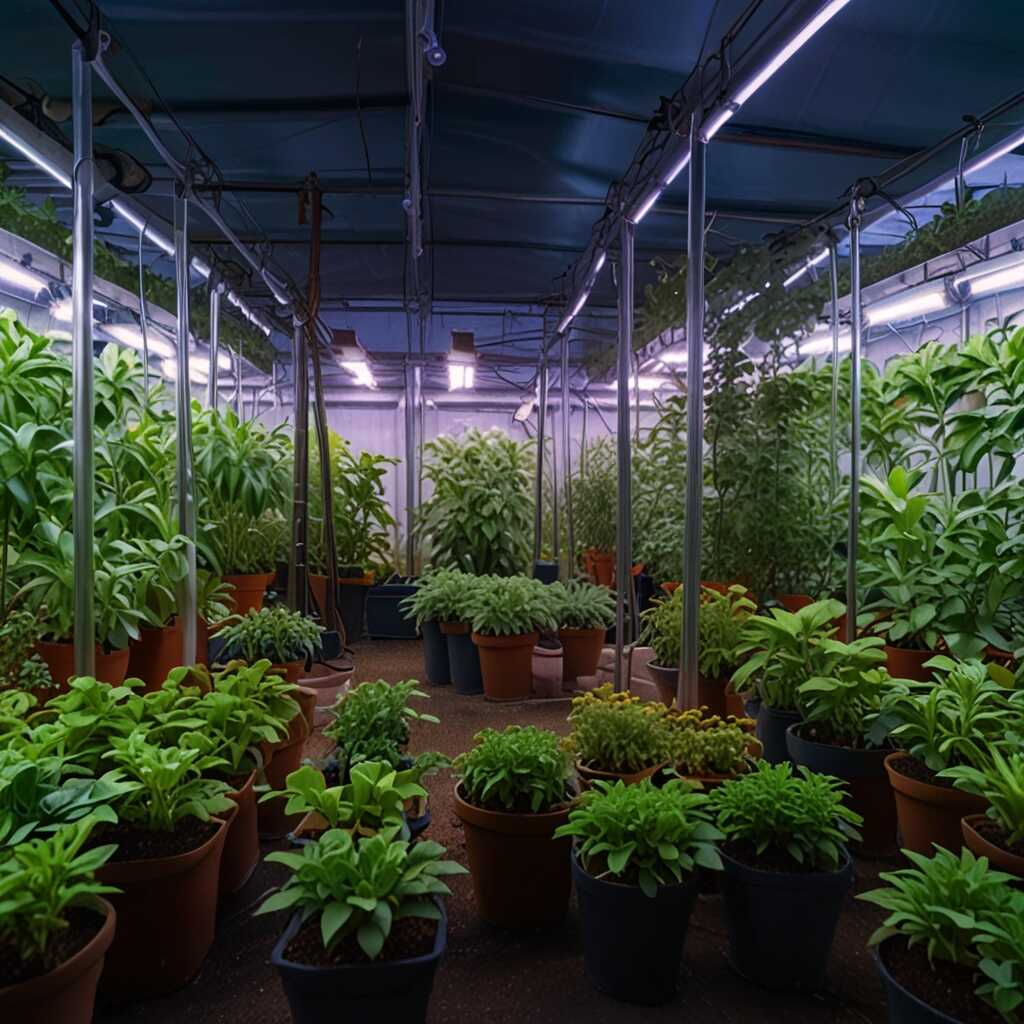
Many greenhouse gardeners encounter preventable problems when implementing grow light systems for ornamental shrub cultivation. Using incorrect light spectrum represents a frequent mistake, with single-color LED systems failing to provide balanced nutrition that shrubs need throughout different growth phases. Poor fixture positioning creates another common issue, with lights placed too close causing leaf burn or too distant resulting in insufficient light penetration and weak growth responses. Inadequate daily light duration limits growth potential, while excessive exposure can stress plants and waste electricity. Cost-related mistakes include purchasing low-quality fixtures that fail prematurely or selecting overpowered systems that exceed actual plant needs and increase operating expenses unnecessarily.
Selecting Appropriate Grow Light Systems for Different Applications
Choosing suitable grow light systems requires matching fixture specifications to actual plant requirements rather than simply purchasing the most powerful or least expensive options available. LED grow lights are excellent because they offer adjustable spectrum control and energy efficiency, but quality varies significantly between manufacturers and price points. Full-spectrum systems work best for mixed shrub collections since they accommodate diverse lighting needs without requiring multiple specialized fixtures. When evaluating options, consider total cost of ownership including initial purchase price, electricity consumption, and expected lifespan rather than focusing solely on upfront costs that might lead to poor long-term value.
Understanding Grow Light Costs and Investment Returns
Grow light investment costs vary significantly based on coverage area, light quality, and intended usage duration for ornamental shrub cultivation. Entry-level LED panels suitable for small greenhouse spaces typically range from $50-150 and cover 2-4 square feet effectively. Mid-range systems ($150-300) provide better spectrum control, longer lifespans, and coverage for 4-8 square feet of growing space. Professional-grade fixtures ($300-600) offer advanced features like programmable timers, spectrum adjustment, and coverage for larger areas up to 12 square feet. Operating costs depend on electricity rates and usage patterns, with efficient LED systems adding approximately $10-30 monthly to utility bills for typical residential greenhouse applications.
Calculating Return on Investment for Grow Light Systems
Return on investment for grow light systems comes through extended growing seasons, improved plant health, and reduced plant replacement costs during winter months. Quality grow lights typically pay for themselves within 2-3 years through electricity savings compared to less efficient alternatives and enhanced plant survival rates. Energy-efficient LED systems consume 40-80% less electricity than older technologies while providing superior growing results, creating ongoing operational savings that compound over time. Additional value comes from maintaining attractive greenhouse displays year-round and developing healthier plants that require fewer replacements due to winter stress or poor growth conditions.
Integrating Grow Lights into Sustainable Gardening Practices
Sustainable grow light integration combines energy-efficient technology with responsible gardening practices that minimize environmental impact while maximizing plant health outcomes. LED grow light systems support sustainability goals through reduced electricity consumption, longer equipment lifespans, and elimination of heat-generating technologies that require additional cooling energy. These advanced lighting solutions work synergistically with other sustainable practices like water conservation, organic fertilization, and integrated pest management to create comprehensive eco-friendly greenhouse operations. Smart timer systems and light sensors optimize energy usage by providing illumination only when needed, while quality LED fixtures lasting 50,000+ hours reduce waste from frequent replacements that inferior lighting technologies require.
Energy-Efficient Lighting Solutions for Environmental Responsibility
Environmental responsibility in greenhouse lighting centers on selecting systems that minimize energy consumption while providing optimal growing conditions for ornamental shrubs. Quality LED grow lights offer superior efficiency ratings measured in photons per joule, indicating how effectively electrical energy converts into useful plant light. Full-spectrum LED systems provide targeted wavelengths that plants actually utilize, eliminating wasted energy in non-photosynthetic portions of the light spectrum. Modern LED technology achieves energy savings of 60-80% compared to traditional alternatives while delivering superior growing results, making them the environmentally responsible choice for sustainable greenhouse operations.
Grow Light Technology Comparison for Different User Types
- Hobbyist gardeners benefit from affordable LED systems that provide reliable performance for small greenhouse spaces and limited plant collections.
- Sustainable gardeners prioritize energy-efficient LED options that minimize environmental impact while maintaining excellent growing results.
- Commercial operations require high-output systems with programmable controls for managing large-scale ornamental shrub production efficiently.
- Beginner greenhouse enthusiasts appreciate simple plug-and-play LED fixtures that require minimal setup and provide consistent results.
- Advanced gardeners seek full-spectrum systems with adjustable controls for optimizing different shrub species and growth phases.
- Budget-conscious users find mid-range LED panels offer excellent value by balancing initial cost with long-term energy savings.
- Year-round growers need durable lighting systems capable of continuous operation through multiple growing seasons.
Grow Light Alternatives and System Limitations
While grow lights provide excellent winter supplementation for ornamental shrubs, several alternatives and limitations deserve consideration for comprehensive greenhouse planning. Natural light maximization through greenhouse positioning, reflective materials, and window management can reduce artificial lighting requirements during brighter winter days. Cold frames and seasonal protection methods offer lower-cost alternatives for hardy shrub varieties that require minimal winter protection. However, grow light limitations include initial investment costs, ongoing electricity expenses, and the need for proper installation and maintenance to achieve optimal results. Additionally, some heat-sensitive shrub varieties may require careful monitoring to prevent light-induced stress during extended exposure periods.
When Grow Lights May Not Be the Best Solution
Certain situations make grow lights less suitable for ornamental shrub cultivation compared to alternative winter protection methods. Very cold climates where heating costs already strain energy budgets may benefit more from passive protection methods like mulching, wrapping, or temporary shelters rather than energy-intensive lighting systems. Shrub varieties that naturally enter dormancy periods during winter may not respond well to artificial lighting that encourages continued growth when plants need rest phases. Limited greenhouse space or temporary growing situations might make portable protection methods more practical than installing permanent lighting infrastructure that requires significant upfront investment.
Innovations and Future Directions in Grow Light Technology
Current innovations in grow light technology focus on improving energy efficiency, enhancing spectrum customization, and integrating smart control systems for optimal ornamental shrub cultivation. Advanced LED systems now incorporate tunable spectrum technology that allows gardeners to adjust light color throughout growing seasons, supporting different developmental phases with precision wavelength control. Smart lighting systems integrate with environmental sensors to automatically adjust intensity and duration based on ambient conditions, plant responses, and energy optimization goals. Emerging technologies include quantum dot LEDs that provide even more precise spectrum control and wireless monitoring systems that track plant health indicators to optimize lighting schedules automatically.
Comparing Modern LED Technology to Traditional Lighting Systems
Modern LED grow light technology surpasses traditional lighting systems in virtually every performance metric relevant to greenhouse ornamental shrub cultivation. LED efficiency ratings now exceed 2.5 micromoles per joule, compared to 1.0-1.5 for high-pressure sodium systems, translating directly into lower operating costs and reduced environmental impact. Heat generation from LED systems remains minimal, eliminating the ventilation and cooling requirements that traditional high-intensity discharge lights demand. Spectrum customization capabilities allow LED systems to provide exactly the wavelengths plants need throughout different growth phases, while traditional systems emit fixed spectrums that may include unnecessary or potentially harmful wavelengths that waste energy and can stress plants.