
LED grow lights use less electricity and support better plant growth than traditional HID lights. These energy-efficient options can significantly reduce electricity consumption in indoor gardening, making them a smart choice for eco-conscious consumers. At Green Writer, we explore the benefits of LED technology, highlighting its long lifespan and full spectrum capabilities that optimize plant development. Understanding these advantages can help indoor gardeners make informed decisions for sustainable practices.
Understanding Different Types of Grow Lights and Their Uses
Indoor gardeners often choose between various grow light types, including LED, HID, and fluorescent lights. LED grow lights are known for their energy efficiency and longevity, often lasting over 50,000 hours. HID lighting, such as High-Pressure Sodium (HPS), provides a powerful output but consumes more electricity. Fluorescent grow lights, commonly used for seedlings, are less intense and generally suitable for smaller plants. Understanding these options helps users select the best fit for their unique gardening needs and goals.
Comparing Efficiency and Effectiveness of Grow Light Types
When comparing grow light options, it’s essential to consider efficiency, effectiveness, and light spectrum range. LED grow lights stand out for their lower energy consumption and proven ability to produce quality plant growth. They emit a full spectrum light, beneficial for all growth stages, from seedling to flowering. In contrast, HPS lighting excels during the flowering stage due to its emphasis on reddish spectrum wavelengths but falls short in overall energy efficiency. Fluorescent lights, while affordable, do not provide the intensity needed for optimal growth in larger indoor gardens. Choosing the appropriate grow light type ensures reliable performance and enhanced plant health.
Key Differences in Energy Consumption Between LED and HID Lights
LED grow lights consume significantly less electricity than HID grow lights, often using 50-75% less energy. This efficiency stems from their ability to convert more electricity into usable light. Additionally, LED lights have a longer lifespan, lasting over 50,000 hours compared to HID’s 20,000 hours. These energy-efficient features lead to lower electricity costs for indoor gardening enthusiasts. Many growers experience annual savings of up to $300 or more by switching to LEDs. These results improve sustainability and enhance indoor plant growth with proper light intensity.
Comparing Lifespan and Performance of LED and HID Lights
LED lights provide a superior performance profile by maintaining consistent brightness without the need for frequent replacements. In contrast, HID lights degrade faster in quality and brightness, impacting energy efficiency. LED technology offers full-spectrum capabilities essential for various plant growth stages, from seedling to flowering. This means growers can rely on LED lights to deliver targeted wavelengths effectively, improving growth rates. Research shows that plants under LED lights not only grow faster but also show better overall health. This combination of durability and performance makes LEDs a reliable choice for indoor gardeners.
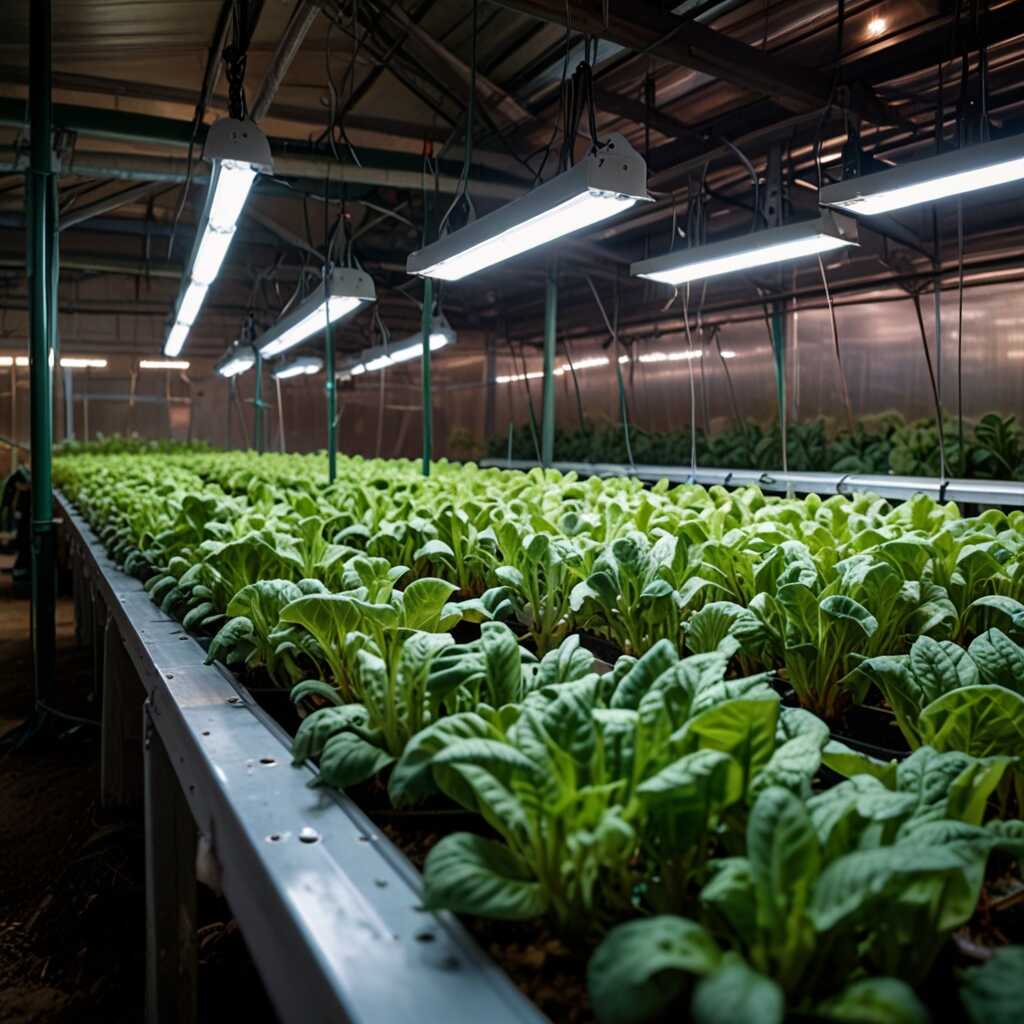
Financial Implications of Switching to LED Grow Light Technology
Investing in LED grow lights involves an initial cost that ranges from $100 to $500, depending on the size and specifications. Users will find that LED grow lights have a longer lifespan of over 50,000 hours, which significantly reduces the frequency of replacements. Energy consumption is notably lower with LEDs, leading to operational savings. Studies show that users can save between 30% to 70% on energy bills, depending on their previous lighting setup. Over time, these savings often cover the higher upfront costs.
Understanding Long-term Savings and Efficiency
Long-term savings from LED grow lights hinge on their energy efficiency and reduced electricity bills. Research indicates that switching from HIDs to LEDs can save users around $20 to $50 each month. This shift not only benefits the wallet but also enhances plant growth due to consistent light quality and reduced heat output. LEDs are specifically designed to provide optimal light spectrums for various growth stages while ensuring energy efficiency. Users can rely on data from reviews and tests that show improved plant health and crop yield as well.
Key Statistics on Energy Use and Plant Lifespan
- LED grow lights use 60-80% less energy than traditional HID lights.
- LEDs can last over 50,000 hours, compared to just 10,000 hours for HID lights.
- Plants can experience growth boosts of up to 30% under LED illumination.
- LED lights produce less heat, reducing cooling costs in indoor gardens.
- Indoor gardeners report saving up to $250 per year in electricity bills.
- Full spectrum LED lights support all plant growth stages effectively.
- Using LEDs can lower environmental impact by limiting electricity consumption.
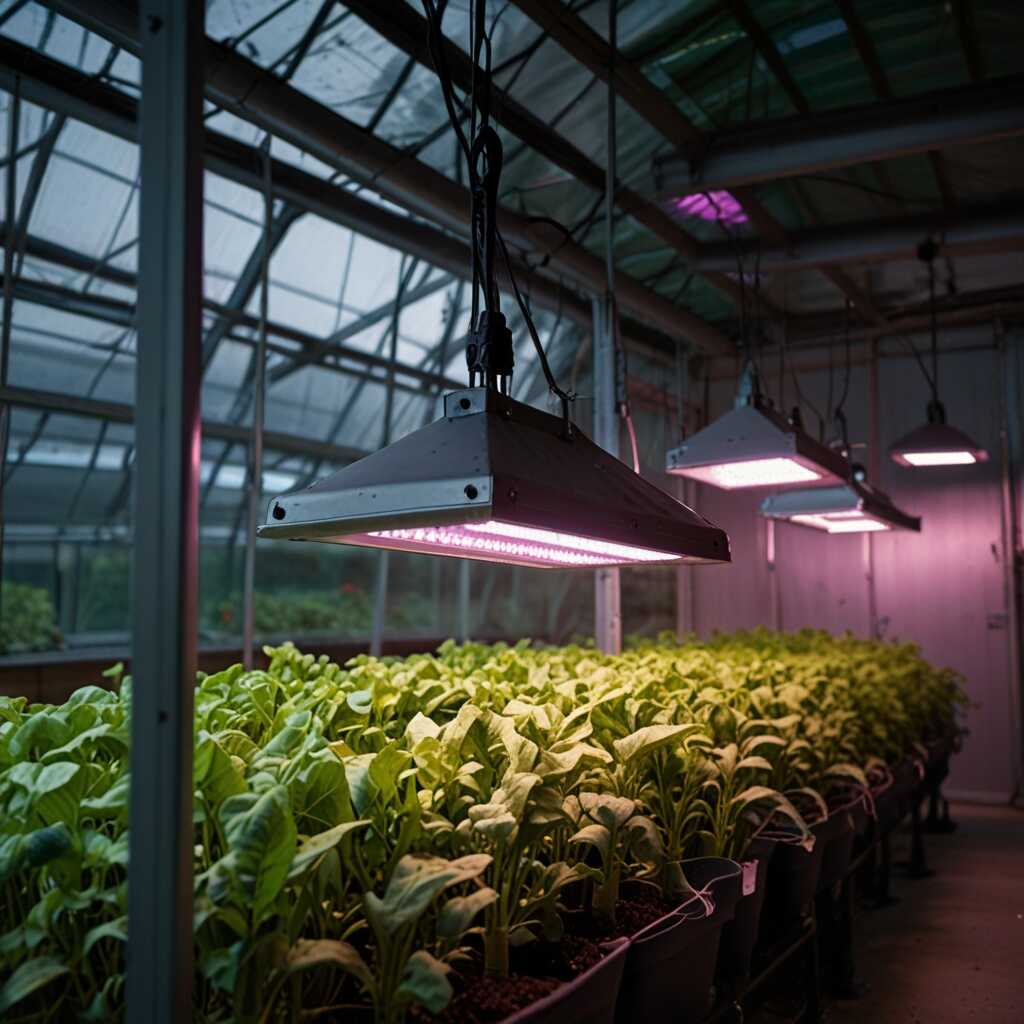
How Different Lighting Affects Plant Health and Development
Different types of lighting have a significant impact on plant growth stages. LED grow lights provide a full spectrum of light, which is essential for all growth phases, from seedling to flowering. Traditional lighting systems, like HID lamps, often fall short in delivering the precise light wavelengths plants require at various stages. For instance, blue light promotes vegetative growth, while red light encourages flowering. Using LED grow lights enhances plant health and improves yield by catering to these specific needs. The average lifespan of LED grow lights is over 50,000 hours, while traditional options typically last around 10,000 to 20,000 hours.
Best Lighting Options for Indoor Gardening
The best lighting options for indoor gardening include LED grow lights and full-spectrum lights. These lighting types are designed to support every phase of healthy plant development. LEDs are energy-efficient, helping to reduce electricity costs, making them a popular choice for eco-conscious gardeners. They provide adequate light intensity and energy efficiency without emitting excessive heat, ensuring that plants do not suffer from overheating. Reviews of various LED grow lights reveal impressive results in promoting robust growth and flowering. Research shows that using full-spectrum lights also enhances chlorophyll production, resulting in healthier plants.
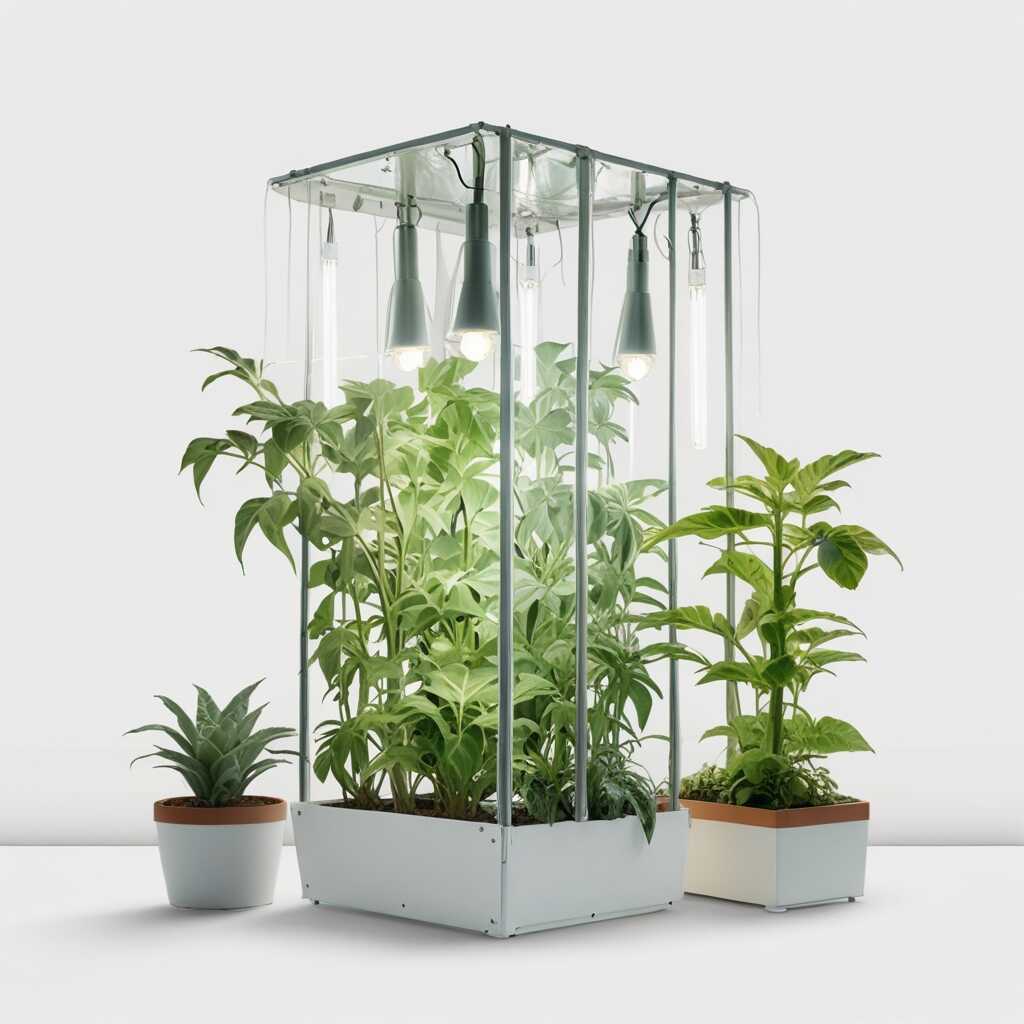
Advantages of Full Spectrum Light in LED Grow Lights
Full spectrum light is essential for optimizing plant growth. It includes all wavelengths, supporting photosynthesis at different stages of plant development. LED grow lights provide tailored wavelengths, enhancing reliability and performance compared to traditional systems. This versatility helps plants efficiently convert light into energy, improving overall growth. Research shows that plants using full spectrum LED grow lights exhibit up to 30% faster growth rates in comparison to those under HID lights. The effectiveness of this lighting setup supports energy efficiency and reduces electricity costs in indoor gardening.
How Full Spectrum Light Supports Different Plant Growth Stages
Full spectrum lighting specifically benefits plants during key growth stages such as germination, vegetative growth, and flowering. During germination, wavelengths around 400-500 nm foster seedling development. For vegetative growth, light in the range of 500-600 nm promotes strong leaves and stems. For flowering, wavelengths of 600-700 nm enhance fruiting and blooming processes. These different light segments play an essential role in developing healthy plants that yield better results. By using LED grow lights with full spectrum capabilities, indoor gardeners can take advantage of energy efficiency while ensuring optimal photosynthesis across all growth phases.
Advantages of Using Efficient Lighting Systems for Indoor Gardens
- LEDs promote faster flowering and fruiting in plants.
- Low energy consumption leads to lower utility bills for indoor gardening.
- More durable and longer-lasting than traditional grow lights.
- They provide a full spectrum of light, aiding photosynthesis effectively.
- Heat output is low, which helps maintain ideal growing conditions.
- They can be spaced closer to plants without causing damage.
- Eco-friendly and reduce carbon footprint in gardening practices.
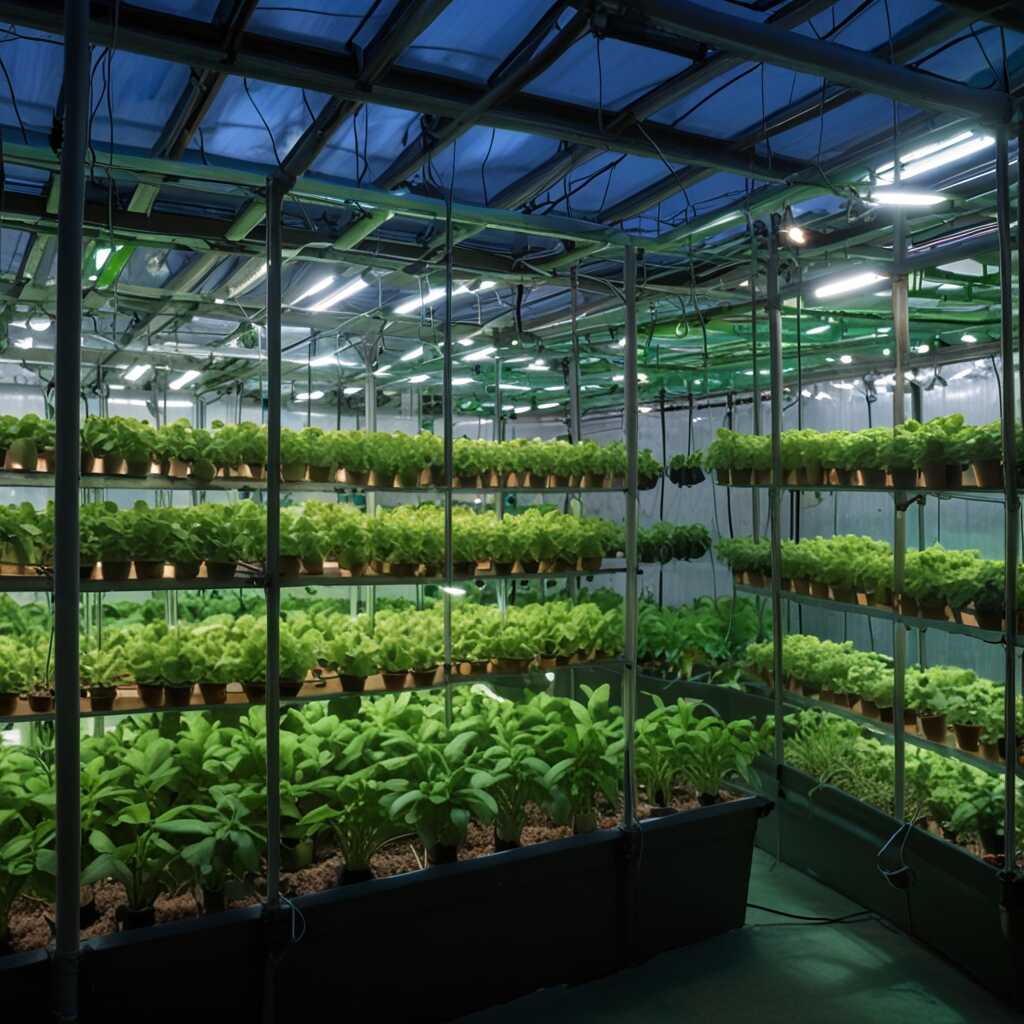
Positive Environmental Impact of LED Grow Lights for Sustainability
LED grow lights provide significant environmental benefits compared to traditional lighting options like HID lights. They are 50% more energy efficient, meaning they require less electricity to produce the same amount of light. This efficiency results in lower electricity bills, leading to substantial savings over time. Transitioning to LED technology helps reduce the overall demand for electricity. Lower energy consumption is crucial for decreasing greenhouse gas emissions and helps in reducing the carbon footprint of indoor gardening practices. Studies show that LEDs can lower energy costs by up to 70%, depending on usage and wattage.
Understanding Energy Savings with LED Grow Lights
When assessing the energy savings with LED grow lights, it’s essential to look at their wattage and output. For instance, a traditional 400-watt HID light can be replaced with a 150-watt LED grow light while achieving similar light intensity. This reduction in wattage leads to significant decreases in energy consumption. Additionally, LED lights have a lifespan of over 50,000 hours, meaning less frequent replacements. This durability further reduces waste and energy associated with manufacturing and transporting replacement lights. The higher initial investment in LED technology pays off quickly in the long term through reduced energy bills and maintenance costs, reinforcing sustainable practices in indoor gardening.
Guidelines for Selecting the Right LED Grow Lights for Your Garden
When selecting LED grow lights for your indoor garden, consider essential features like spectrum range, wattage, and build quality. Look for lights offering a full spectrum designed to support different plant growth stages, from germination to flowering. Research energy efficiency ratings to ensure you choose lights that minimize electricity consumption. Compare different grow light models by reading reviews and checking reliability and durability. Reliable brands often provide warranties, which can enhance confidence in your purchase. Ensure the lights can handle your specific gardening needs while maintaining high performance.
Understanding LED Spectrum and Plant Growth
Understanding the LED spectrum is crucial in selecting grow lights. Plants need different wavelengths for key growth phases, from blue light for vegetative growth to red light for flowering. Look for lights that deliver a complete spectrum including ultraviolet (UV) and infrared (IR) wavelengths. High-quality LED lights enhance photosynthesis and improve overall plant health. For optimal lighting conditions, consider the size of your growing area. Typically, a wattage of 30 to 50 watts per square foot is recommended for optimal plant performance. This ensures your plants receive the necessary light for vigorous growth.
Comparative Use Cases of Grow Light Brands for Better Insights
- Brand A: Known for user-friendly features but has a higher price point.
- Brand B: Budget-friendly and popular among beginners for easy setup.
- Advanced gardeners favor Brand C for its versatility in light settings.
- Brand D: Offers high-quality LEDs that last longer but can be heavy.
- Indoor gardeners often choose Brand E for its excellent customer support.
- Brand F: Popular with eco-conscious users for sustainable materials.
- Horticulture students may prefer Brand G for educational demonstrations.
Innovations in Grow Light Technology Shaping the Future of Indoor Gardening
Latest advancements in grow light technology emphasize energy efficiency through LED grow lights. These lights consume less electricity compared to traditional HID lights, leading to lower energy costs for indoor gardeners. Brands like Philips and GE offer impressive products that include full spectrum lighting, enabling better plant growth at various stages. The average lifespan of modern LED grow lights can exceed 50,000 hours, significantly outlasting conventional HID options, which typically last around 10,000 to 15,000 hours.
Top Features of Energy-Efficient Grow Lights
Energy-efficient LED grow lights offer several essential features that enhance indoor gardening. Full spectrum capabilities mimic natural sunlight, improving photosynthesis for healthier plant growth. Many recent designs focus on compact sizes, allowing for easy installation in small spaces. Adjustable light intensity and timers provide flexibility tailored to specific plants’ needs. Some models also include smart technology that monitors plant health, ensuring optimal light exposure based on growth stages. Green Writer recommends researching products with proven durability and efficiency to experience the most significant benefits.