
Light movers play a crucial role in evenly distributing light in large greenhouse installations. These devices ensure that every plant receives the right amount of light, promoting healthy growth and maximizing crop yield. At Green Writer, we focus on technologies and benefits of light movers to help greenhouse owners and gardening enthusiasts achieve better light management. Understanding how these systems work can enhance your sustainability practices and overall gardening success.
The Role of Light Distribution in Plant Health and Growth
Light distribution is crucial for plant vitality. Uneven light can lead to poor growth and weak plants. Plants require different light levels at various growth stages. Seedlings benefit from gentle light, while flowering plants need more intense exposure. Even light distribution enhances photosynthesis by providing consistent energy across all plant parts. This reliability helps plants grow stronger and healthier. Monitoring and managing light levels in a greenhouse ensures optimal plant yield, making light movers essential for effective greenhouse management.
Understanding Growth Stages and Their Light Requirements
Different plant growth stages demand specific types of light for optimal health. During the seedling stage, plants prefer lower light intensity to prevent stress. As plants mature, they need higher light levels for photosynthesis, especially for flowering and fruiting. This requirement can be fulfilled using full-spectrum grow lights, which mimic natural sunlight. Even light exposure during all growth stages ensures that plants receive adequate energy, which is essential for producing vitamins, nutrients, and overall plant strength. Reliable light movers help maintain adequate light levels, enhancing overall greenhouse efficiency.
Mechanisms of Light Movers in Greenhouse Environments
Light movers function by using adjustable rails and motorized systems that move grow lights across the greenhouse for even light distribution. These systems may include key components such as pulleys, motors, and sensors, engineered to enhance growth by ensuring essential wavelengths reach all plants. Light movers are designed to maximize energy efficiency and are commonly integrated into advanced greenhouse lighting systems. This technology supports various greenhouse designs, benefiting layouts with diverse plant types by delivering consistent illumination that can significantly improve plant growth efficiency.
Advantages of Adjustable Light Movement
Adjustable light movement offers considerable benefits for optimal plant growth in greenhouses. Light movers ensure that plants receive uniform light exposure, reducing shadow zones often created by static lighting systems. This feature is essential for maximizing photosynthesis across different plant species, especially in larger spaces. Energy-efficient solutions such as LED bulbs incorporated into light movers consume less power while providing full spectrum lighting, thereby enhancing overall performance. Many greenhouse owners report increased yield and healthier plants thanks to the reliable light movement technology, which can greatly influence plant development and reduce resource waste.
Advantages of Implementing Light Movers in Greenhouses
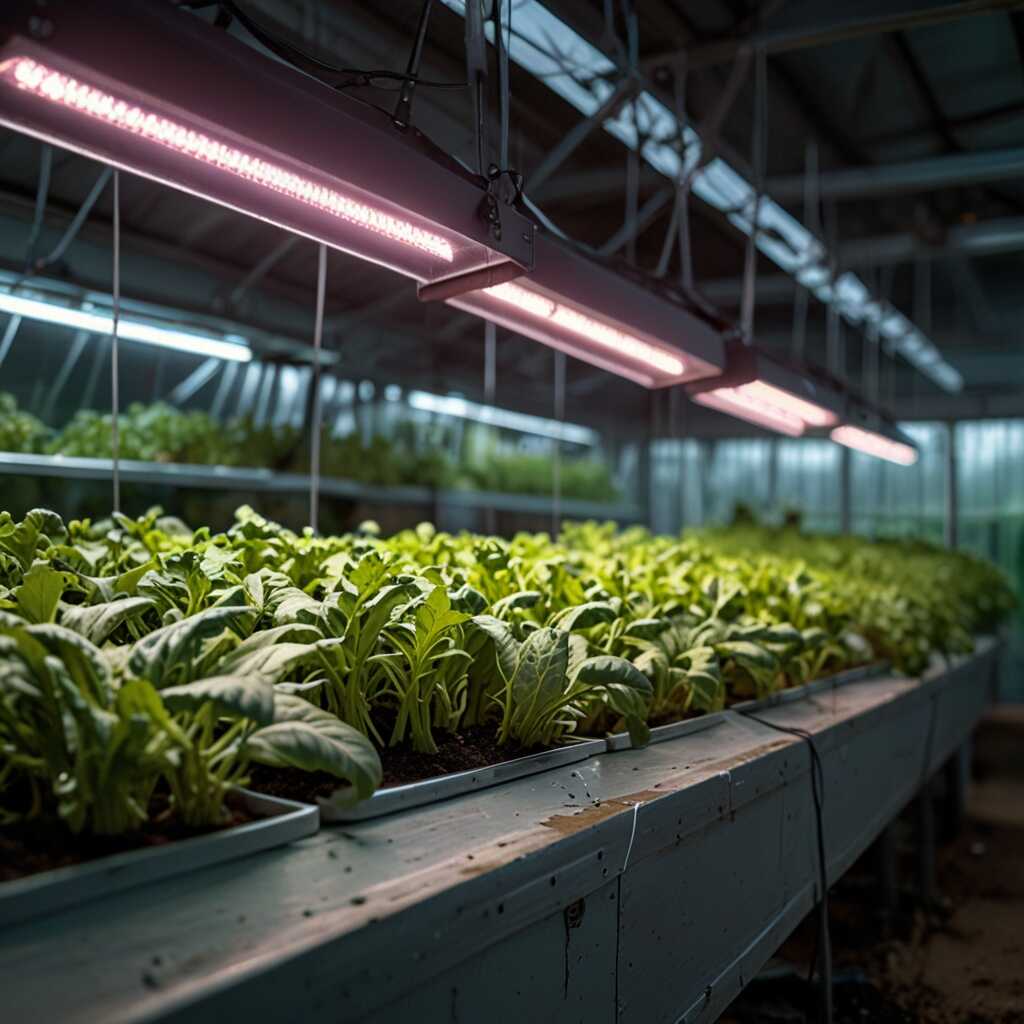
Light movers offer several benefits in greenhouse management. They enhance energy efficiency by evenly distributing light across plants, reducing power consumption. This technology can lead to a significant increase in crop yield while promoting sustainable practices. Testing shows that light movers can provide uniform light exposure, which is essential for plant growth. Reliable data indicates that greenhouses using light movers experience a notable reduction in energy costs, improving overall operational efficiency. Reviews reveal that these systems help mitigate the common issues associated with fixed lighting setups, such as shadowing and uneven growth.
Impact on Crop Yield and Quality
Light movers can considerably enhance crop yield and quality in greenhouse environments. Research indicates that using light movers may lead to a 30% increase in crop yield compared to traditional fixed lighting systems. This increase is attributed to improved light distribution, which enables plants to receive adequate light at various growth stages. Ensuring each plant receives uniform light not only boosts growth rates but also enhances the overall quality of produce. Reliable evaluations confirm that incorporating light movers into greenhouse setups fosters an environment of consistent growth, resulting in denser foliage and higher nutrient content in crops.
Essential Numerical Data on Light Distribution Solutions
- Light movers can cover areas of up to 1,600 square feet in a greenhouse.
- Studies show they can increase light exposure by up to 25%.
- Most light movers operate at speeds between 1 to 10 feet per minute.
- The average lifespan of quality light movers is over 10 years with proper maintenance.
- Each mover can add as little as 0.5% to energy costs annually.
- Installing multiple light movers can reduce blind spots by up to 90%.
- Properly spaced fixtures can enhance light coverage by 150% or more.
Types of Light Moving Systems and Their Unique Features
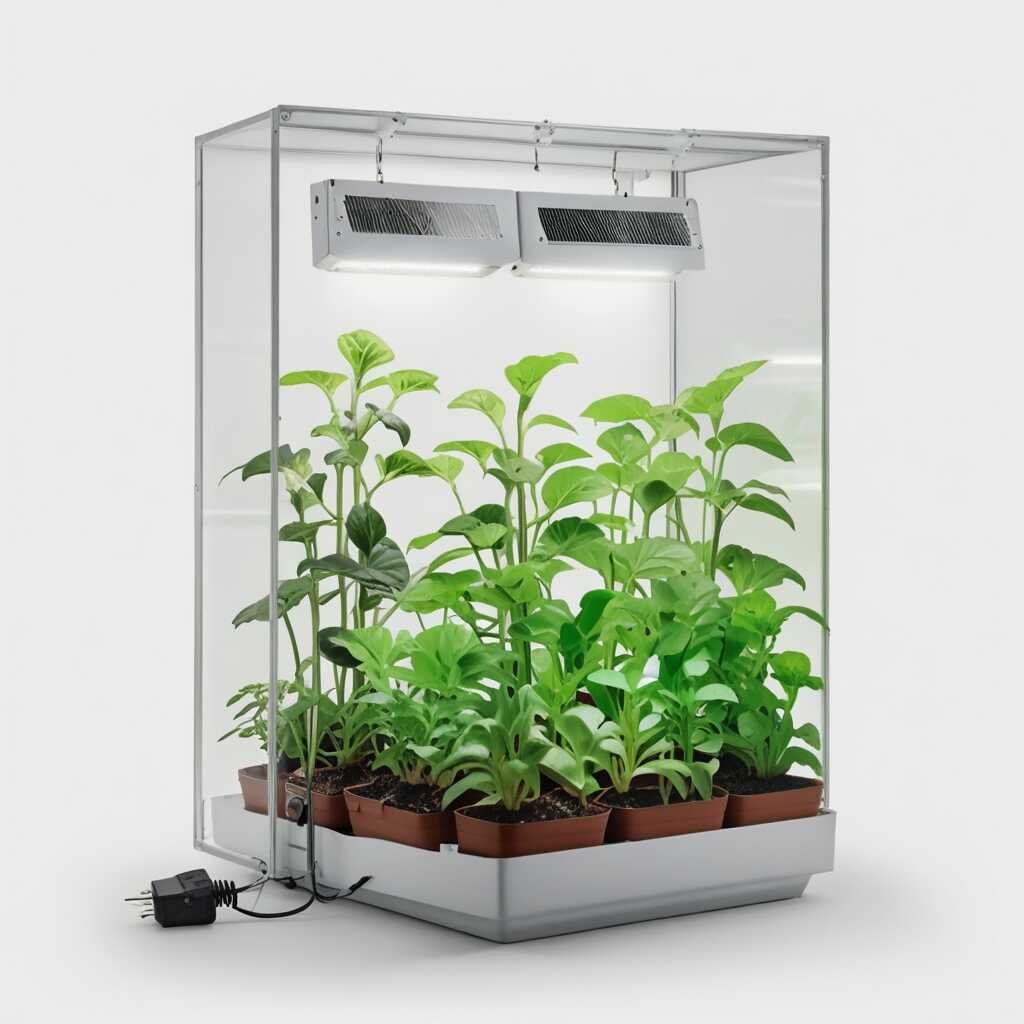
There are several types of light moving systems designed for greenhouses. These systems include track systems, scissor-lift systems, and automated robot systems. Track systems move lights back and forth on a predetermined path, providing essential efficiency in light distribution. Scissor-lift systems use a vertical lift mechanism to raise and lower lights, offering flexibility in adjusting light height. Automated robot systems move lights independently, enhancing coverage and ensuring all plants receive adequate light. Each system has its pros and cons, such as cost, ease of setup, and power consumption. The average cost for these systems typically ranges from $500 to $5,000, depending on features and technologies used.
Choosing the Right Light Moving System for Your Greenhouse
When selecting a light moving system, consider factors like size and layout of your greenhouse. Efficient light distribution is essential for optimal plant growth. Track systems are great for larger setups due to their reliability and straightforward operation. Scissor-lift systems suit adjustable needs and can handle more variations in plant height. Automated robot systems provide the most advanced technology for complex greenhouse designs but come at a higher cost. Investigate product reviews to understand performance outcomes and ensure you choose a system that meets your specific requirements. This helps in enhancing plant health and supporting sustainable practices in your greenhouse.

Adjustable Light Movers for Tailored Light Management
Adjustable light movers enhance greenhouse efficiency by customizing light intensity based on plant requirements. These systems can be positioned closer or farther from plants, enabling tailored light conditions for varieties with different needs. Utilizing light mover efficiency allows greenhouse owners to optimize for the specific growth stages of their plants. For example, seedlings may require softer light compared to flowering plants. This personalized approach ensures that each plant receives the right amount of light, improving overall growth and yield.
Customizing Light Levels for Different Plant Varieties
Customizing light levels for different plant varieties involves understanding their specific needs. Some plants, like succulents, benefit from high light exposure, while others, like ferns, thrive in lower light conditions. By adjusting the position of adjustable light movers, you can provide the appropriate light for each plant’s growth stage. Furthermore, movable systems can deliver light at varied intensities, ensuring strong and healthy development regardless of the plant type. Research shows that proper light management can significantly enhance plant performance and overall health.
Top Advantages of Enhanced Light Management Systems
- They ensure uniform light distribution, leading to healthier plants.
- Light movers can optimize light exposure for different plant species.
- Users benefit from improved yields due to balanced light spread.
- The systems reduce heat build-up, helping maintain optimal growing conditions.
- They support sustainability by minimizing energy use across large spaces.
- Adaptive technology allows for easy adjustments based on plant growth stages.
- Reduced labor costs arise since automated systems require less manual adjustment.
Installation Tips for Maximizing Light Mover Performance
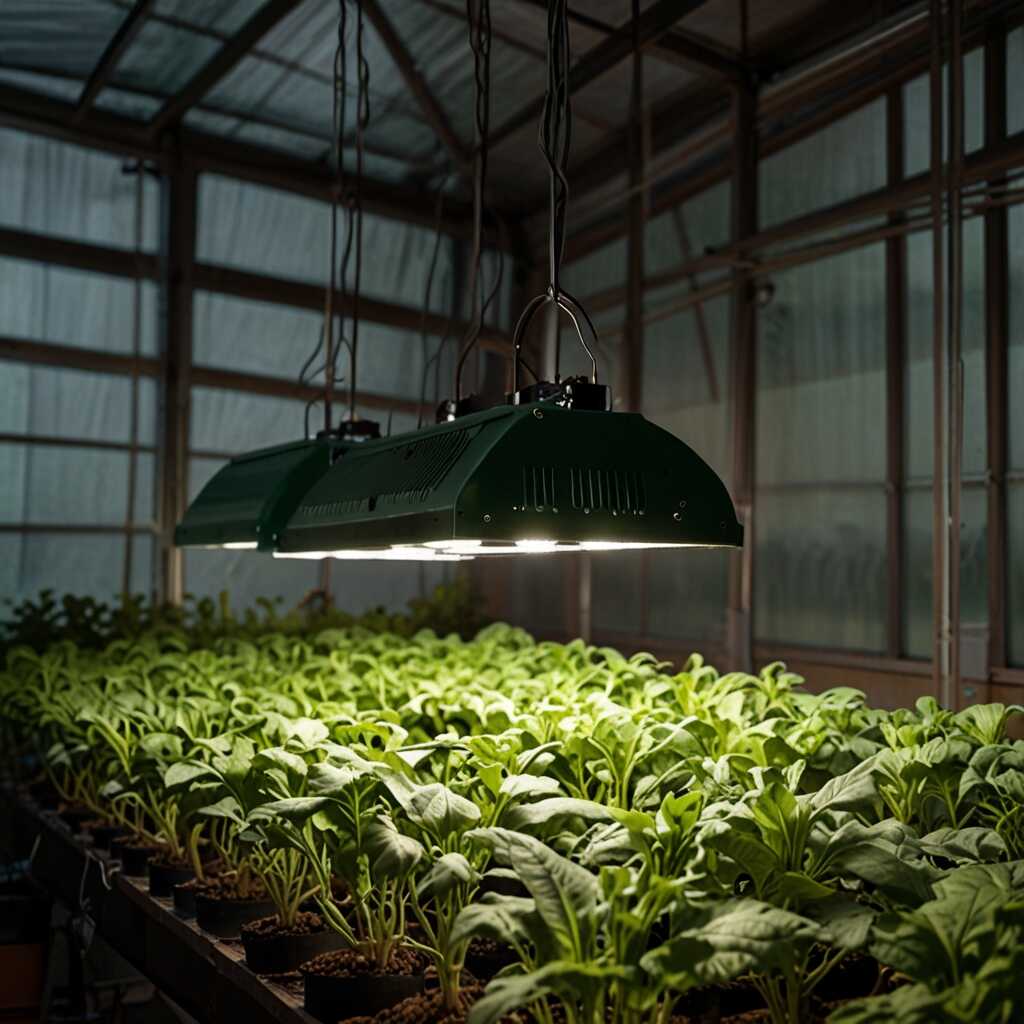
Effective light mover installation is critical for ensuring even light distribution in large greenhouses. The best placement strategies involve positioning light movers at a height that allows them to cover a maximum area without obstructing plant growth. Safety considerations include securing electrical connections and ensuring that all components are weather-resistant to prevent damage. Regular reviews and testing of light mover components can help identify any wear or reliability issues, reducing the risk of failure. Maintenance should occur at least every three months to ensure optimal performance.
Optimal Placement Techniques for Light Movers
To maximize the effectiveness of light movers, consider using an adjustable rail system that allows for flexibility in placement. Placing movers in a staggered alignment enhances coverage, particularly in large operations. Testing different heights and movements helps identify the best configuration for your specific greenhouse. Additionally, using light sensors can ensure that the movers operate effectively without wasting energy. These techniques improve light efficiency and ensure that plants receive the appropriate light intensity for growth stages, enhancing overall plant health.
Addressing Common Issues with Light Movers
Users often encounter challenges like inconsistent light distribution, mechanical failures, and setup difficulties when using light movers. To address inconsistent light distribution, it is essential to regularly test the device’s movement capabilities. Mechanical issues can often be avoided with proper maintenance, including cleaning and lubrication of moving parts. Setup difficulties can be minimized by following the user manual closely and ensuring all components are properly installed. These solutions help ensure reliability and efficiency in the performance of light movers.
Key Features to Consider in Light Movers
When choosing light movers, consider their motor reliability, movement speed, and durability. Reliable systems often include features that enhance efficiency, such as programmable timers and adjustable light height. Comparison reviews reveal that the best models offer smooth, consistent motion without the jitters common in cheaper alternatives. Testing data suggests that models with sturdy construction and high-quality materials perform better over time. These aspects contribute to a better user experience, ensuring lights are evenly distributed for healthy plant growth.
Comparative Insights into Relevant Brands and Demographics
- Brand A targets commercial greenhouse growers with extensive product lines.
- Brand B focuses on home gardening enthusiasts, offering user-friendly solutions.
- Brand C provides high-tech products but may be cost-prohibitive for small operations.
- Consumers often prefer brands that emphasize sustainability and energy efficiency.
- Professional horticulturists typically demand high-performance systems for research.
- Urban gardeners look for compact, effective solutions that fit small spaces.
- Eco-conscious individuals favor brands using recyclable materials in products.
Final Thoughts on Effective Greenhouse Light Management
Investing in light movers can dramatically enhance the effectiveness of light distribution in greenhouses. They help ensure optimal plant growth by minimizing dark spots and light saturation. Using these systems allows greenhouse owners to prioritize energy efficiency and improve overall crop yield. Various types of light moving systems are available, including horizontal and vertical options designed for different crop types. Research indicates that using multiple light movers enables a more even light spread, which is essential for plant health. On average, a large greenhouse may benefit from four to six light movers for maximum efficiency and performance.
Exploring Different Light Moving Systems
Different light moving systems offer distinct features beneficial for greenhouse operations. Horizontal light rail systems provide efficient movement of lights across a set path, making them ideal for large areas. Vertical movers are designed for adjustable height and can easily accommodate various plant growth stages. Some systems include programmable timers and sensors, ensuring lights stay in optimal positions. Reviews indicate that automated systems tend to deliver impressive results due to their reliability and ease of use. When considering a light moving system, evaluate the best fit for your greenhouse layout and specific plant needs. This tailored approach enhances greenhouse performance and ensures plants receive essential light for healthy growth.