
Enhancing commercial vertical farms with multi-layer lighting systems can significantly improve crop yields and sustainability. These advanced lighting solutions help growers maximize their space while optimizing light exposure for plants. Green Writer focuses on how multi-layer lighting systems improve vertical farming practices, highlighting benefits like energy efficiency and tailored light spectrums. A better understanding of this technology aids commercial growers in making informed choices for their farming operations.
Overview of Multi Layer Lighting Systems for Vertical Farming
Multi-layer lighting systems are lighting setups that use multiple layers of light sources to enhance crop growth in vertical farming. They work by providing adjustable light spectrums tailored to the specific growth stages of various crops. This system improves crop yield, ensuring that plants receive the light they need for photosynthesis, which is essential for growth. Different types of crops, such as leafy greens and herbs, thrive under these specialized lighting conditions. Research indicates that the average energy efficiency improvement when utilizing multi-layer lighting systems can reach up to 30%. These advanced systems are designed to replicate optimal sunlight conditions in indoor environments, delivering consistent light exposure while minimizing energy consumption.
Benefits of Multi-Layer Lighting for Different Crop Types
Multi-layer lighting systems provide significant benefits for various crop types in commercial vertical farms. Leafy greens like lettuce and kale grow rapidly under full spectrum lighting, which mimics natural sunlight. Herbs such as basil and cilantro also flourish, as they require intense light conditions for optimal flavor development. Research indicates that using these systems can reduce the growth cycle of crops, enabling faster harvests and increased production rates. The technology’s flexibility allows vertical farm operators to adjust the types of light emitted based on the crop’s current growth stage. This adaptability enhances crop yield and overall efficiency, ultimately benefiting commercial growers.
Advantages of Using LED Technology in Grow Lights
LED grow lights offer essential benefits for commercial vertical farms. They provide significant energy savings compared to traditional lighting systems. LED technology can reduce energy consumption by up to 75%, lowering operational costs substantially. This reliability in energy efficiency goes hand in hand with the long lifespan of LED grow lights. Quality models last between 50,000 to 100,000 hours, which means fewer replacements and reduced maintenance expenses. This performance makes LEDs an excellent choice for growers looking to enhance productivity while being eco-conscious.
Understanding the Efficiency of LED Grow Light Systems
LED grow lights showcase impressive efficiency by converting a higher percentage of electricity into usable light. They often provide full spectrum light, which is essential for different plant growth stages. Studies show that full spectrum LEDs can enhance photosynthesis, increasing crop yields by 20-30% over traditional lights. This technology enables growers to optimize energy use, enhance plant health, and promote faster growth. Using LED systems helps to create a more sustainable farming environment, aligning with the goals of sustainability advocates. The energy savings, durability, and enhanced growth capabilities make LEDs stand out in vertical farming.
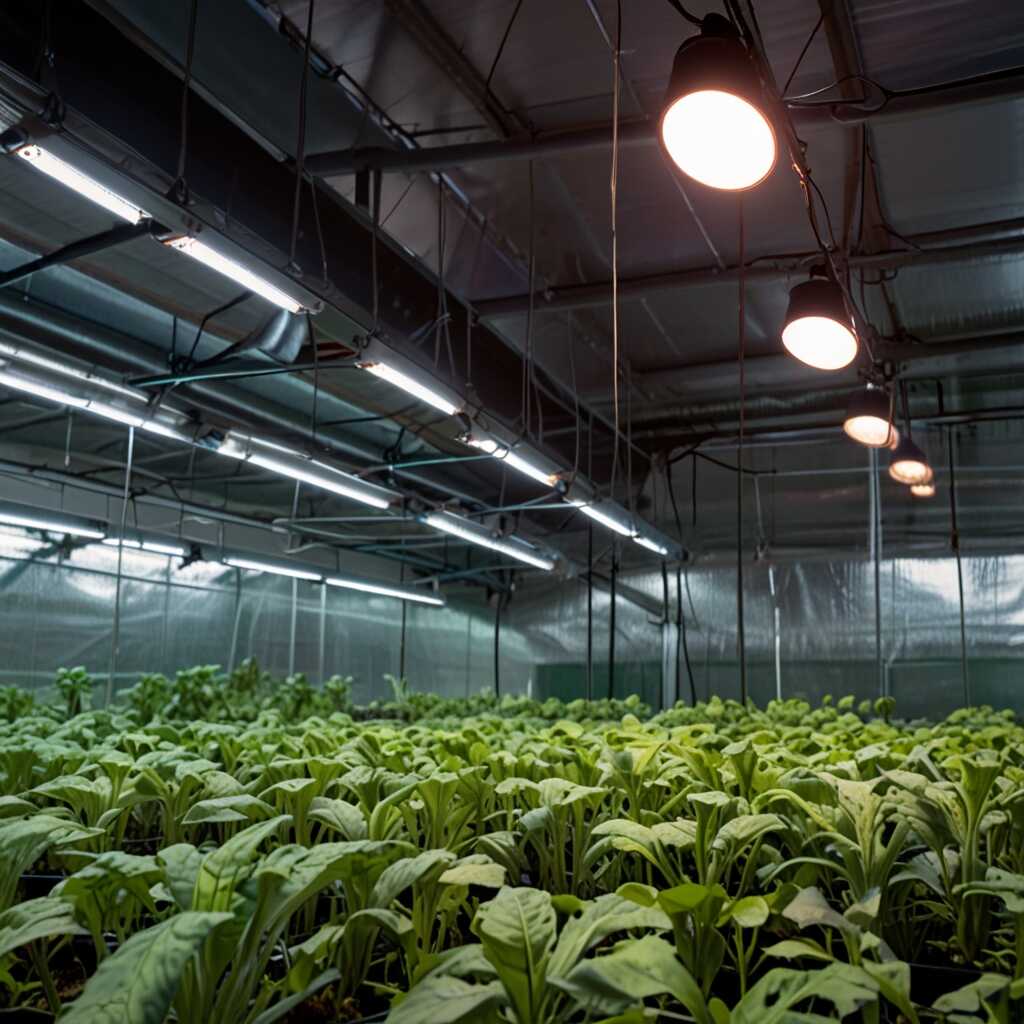
The Importance of Light Spectrum in Optimizing Plant Growth
The light spectrum plays a crucial role in plant growth. Plants absorb light primarily in the blue (400-500 nm) and red (600-700 nm) wavelengths. Blue light promotes vegetative growth, while red light is essential for flowering. Full spectrum lighting includes these key wavelengths, ensuring that plants receive a balanced range of light. Customizing LED lighting systems can meet different crop needs. For instance, leafy greens thrive under more blue light, whereas fruiting plants like tomatoes require greater red wavelengths for optimal growth.
Effect of Light Spectrum on Crop Yield
Understanding how specific light wavelengths affect growth helps maximize crop yield. For example, studies show that plants exposed to increased red and blue light can yield up to 25% more produce. LED lights designed with full spectrum capabilities maintain energy efficiency while enhancing growth. Growers can use light spectrum data and research to select the best lighting setup. Using LEDs not only ensures better productivity but also results in significant energy savings—often up to 60% compared to traditional systems, making them a reliable choice for sustainable farming.
Key Statistics on Layered Lighting Use in Agriculture
- Over 70% of urban farmers use advanced lighting systems for better yields.
- Multi-layer lighting can increase crop production by around 30% annually.
- LED lights last up to 50,000 hours, reducing replacement costs significantly.
- Effective light systems reduce energy usage by up to 50% compared to traditional methods.
- Vertical farms can produce food using 95% less water than conventional farming.
- The investment return on lighting technology ranges from 20-40% within two years.
- Commercial growers may save up to 30% on electricity costs with efficient lighting solutions.
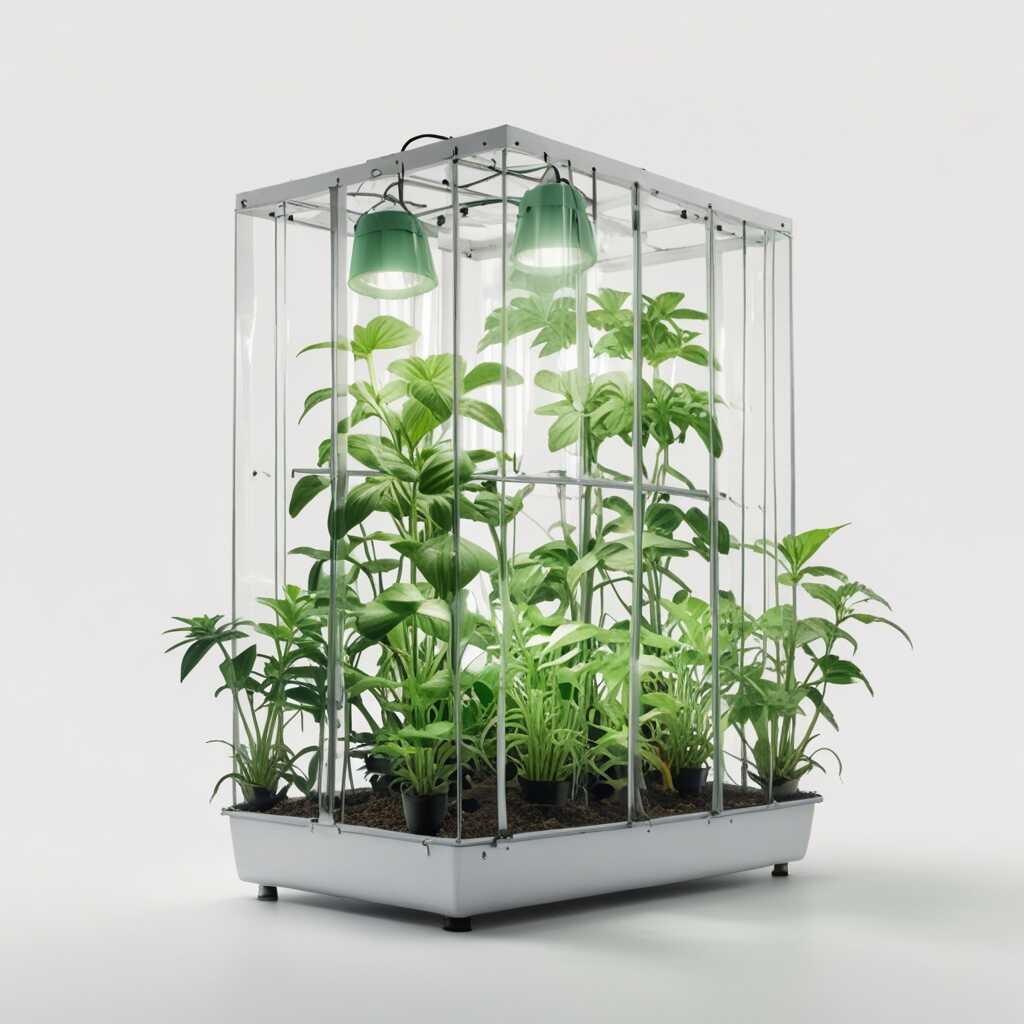
Evaluating Different Grow Light Technologies for Vertical Farms
HID, fluorescent, and LED grow lights each have unique advantages for vertical farming. HID lights offer strong brightness and are affordable, but they consume more energy and require regular bulb replacements. Fluorescent lights are cooler than HID and can improve energy efficiency, yet they provide less intensity, which can affect plant growth. LED grow lights deliver efficient energy use, long lifespans, and a full spectrum of light, ensuring optimal plant growth with minimal heat output. The choice of technology depends on factors such as crop type, growth stage, and cost efficiency.
Comparing Energy Efficiency and Lifespan of Grow Lights
LED grow lights typically last around 50,000 hours, which significantly outperforms both HID and fluorescent lights. HID lights usually last about 10,000 hours, while fluorescent lights average 7,000 hours of use. In terms of energy consumption, LED lights are the most efficient, often using nearly 50% less energy than HID lights. This efficiency helps commercial vertical farms reduce operational costs significantly while enhancing crop yields. Research shows that using LED technology contributes to major savings in electricity expenses, allowing growers to invest more in sustainable practices.
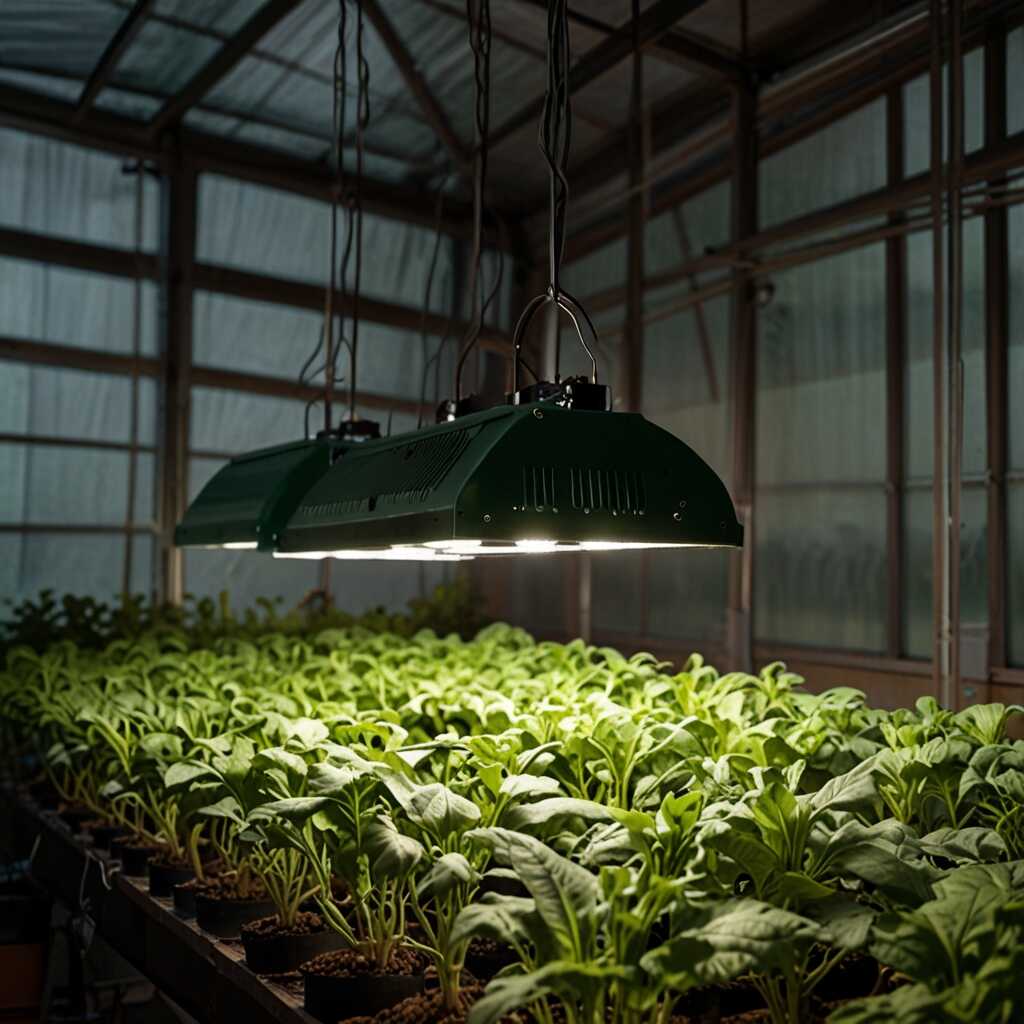
Key Installation Steps for Effective Lighting Systems
When installing multi-layer lighting systems, critical considerations include the type of lighting technology, positioning, and energy efficiency. LED light efficiency surpasses traditional HPS lights, particularly in terms of heat output and energy use. This fact helps ensure effective growth throughout all plant stages. A well-planned installation will help grower reliability and enhance overall crop yields. Positioning the lights at the optimal height above crops typically averages between 12 to 36 inches, depending on the light type and plant species.
Optimal Light Positioning and Configuration
Optimal light positioning and configuration play a pivotal role in maximizing the effectiveness of multi-layer lighting systems. Set the top layer of lights at 24 to 30 inches for taller plants, ensuring sufficient light penetration while avoiding light burn. For shorter varieties, position lights closer, around 12 to 18 inches, to enhance their growth without overwhelming them. Utilize adjustable mounting systems to easily change the light height. Use quality LED lights for their durability and energy efficiency. Consistent testing and research on specific plant requirements can help fine-tune your setup, leading to better growth results.
Advantages of Advanced Lighting Technologies for Crop Growth
- Enhanced light spectrum promotes faster plant growth and better quality produce.
- More efficient systems reduce energy costs and support sustainability goals.
- Customizable light settings cater to specific plant needs during growth stages.
- Greater yields allow farms to meet increasing consumer demand effectively.
- Optimized lighting minimizes pests and diseases, promoting healthier crops.
- Improved photosynthesis leads to stronger plants and faster harvest cycles.
- Versatility in design enables farms to maximize space and efficiency.
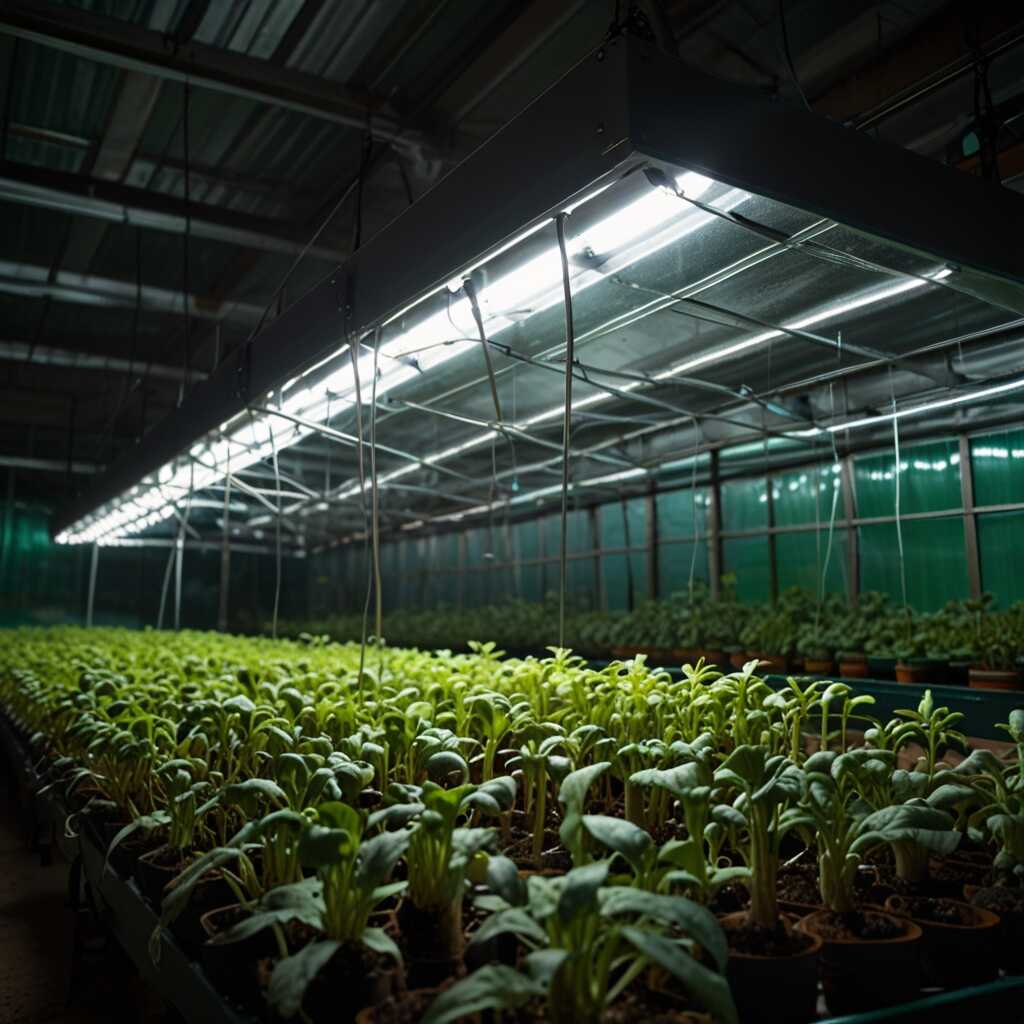
Essential Safety Guidelines for Operating Grow Lights
Essential safety tips for using grow lights include maintaining proper distance from plants to prevent overheating, ensuring ventilation for heat dissipation, and inspecting electrical connections regularly. Lighting equipment reliability is vital, and growers should choose fixtures designed with safety features to prevent fire hazards. It is recommended to operate grow lights for no more than 18 hours per day, allowing a rest period to enhance the lifespan and performance of the equipment.
Best Practices for Ensuring Lighting Equipment Safety
Implementing good practices for ensuring lighting equipment safety involves checking for wear and tear in wiring and fixtures. Reliable models often feature built-in timers and automatic shut-off functions to prevent overheating. Growers should also review energy efficiency standards and ensure their systems comply with local regulations. Regular testing and maintenance help identify potential issues early, enhancing safety. It’s beneficial to use quality products from reputable brands to ensure lasting reliability and performance.
Innovations and Future Directions in Indoor Farming Lighting
Recent innovations in lighting technology for vertical farming focus on enhancing efficiency and scalability. Smart lighting systems offer adaptable solutions that automatically adjust based on plant growth stages. Advanced automation technology helps growers optimize conditions, improving the reliability of their crop yield. By 2025, industry experts predict significant advancements in energy-efficient lighting solutions that include LED technology optimized for specific plant wavelengths. Research shows these innovations will dramatically enhance vertical farming operations and ensure higher productivity.
Smart Lighting Systems for Enhanced Growth
Smart lighting systems enable commercial growers to implement specific light recipes tailored for individual plants. These systems use sensors to monitor environmental conditions and adjust light output in real time. Energy-efficient lighting solutions, such as full-spectrum LEDs, can provide the necessary wavelengths for photosynthesis while reducing energy costs. This combination of advanced automation technology and lighting optimization helps commercial vertical farms achieve ideal growth environments. By utilizing smart systems, growers can see measurable improvements in crop health, yield consistency, and energy efficiency, leading to top-quality produce.
Brands and Their Use Cases for Multi-Layer Lighting
- Brand A offers high-efficiency LED systems ideal for small-scale urban farms.
- Brand B specializes in customizable lighting, perfect for large commercial operations.
- Brand C provides affordable options, great for beginner growers in indoor settings.
- Brand D features advanced sensors for optimizing light schedules and energy usage.
- Brand E is known for durable designs, suitable for long-term agricultural investments.
- Educational institutions often use layered lighting to research plant growth benefits.
- Restaurants and grocery stores use vertical farms to ensure fresh produce year-round.
Implementing Eco-Friendly Practices in Vertical Farming
Growers can effectively combine energy-efficient lighting solutions with sustainable agricultural practices by integrating multi-layer lighting systems. These systems enhance plant growth while reducing energy costs. Using LED lights reduces energy consumption significantly. Eco-friendly technologies such as renewable energy sources, like solar panels, can power these systems, reducing reliance on fossil fuels. Installing rainwater harvesting systems can also promote sustainability while providing water for crop irrigation. Adopting these methods helps create a more resilient and efficient vertical farming system.
Exploring Practical Eco-Friendly Technologies for Vertical Farmers
Vertical farmers can explore several practical eco-friendly technologies to optimize their operations. For instance, multi-layer lighting systems provide a broad spectrum of light tailored to different growth stages, ensuring plants receive optimal illumination. Research shows these systems can reduce energy consumption by up to 50% compared to traditional lighting. Incorporating automated climate control systems also enhances energy efficiency. These systems adjust light intensity and temperature based on real-time data, further improving energy reliability. By choosing quality components, vertical farms can increase longevity and performance.