
Red wavelengths enhance root development by stimulating phytochrome receptors, which promote auxin hormone production essential for robust root growth. Indoor propagators typically use 660-nanometer LED grow lights positioned 12-24 inches from cuttings for 10-14 hours daily to maximize rooting success rates in seedlings and young plants.
Importance of Light in Plant Growth and Development
Light serves as the primary energy source for photosynthesis, with different wavelengths triggering specific plant responses. Red wavelengths (620-750 nanometers) particularly excel at enhancing root development and flowering processes, while blue wavelengths (400-500 nanometers) promote sturdy stem formation and leaf expansion. Most propagating plants require 12-16 hours of consistent light exposure daily for optimal cellular activity. Understanding how specific wavelengths influence different growth stages enables indoor gardeners to tailor their lighting strategies for maximum propagation success.
How Light Wavelengths Affect Plant Health
Different light wavelengths trigger distinct physiological responses that directly impact plant health outcomes. Red wavelengths stimulate cellular processes including germination acceleration and root system expansion, encouraging plants to allocate more energy toward developing robust root networks for enhanced nutrient absorption. Blue wavelengths work complementarily by promoting compact stem growth and dense leaf structure development. Research demonstrates that combining red and blue wavelengths in full-spectrum LED systems produces superior growth results compared to single-wavelength lighting. For optimal outcomes, consider comprehensive grow light reviews and comparisons that evaluate balanced spectrum performance. This approach maximizes photosynthetic efficiency while ensuring propagated plants develop strong foundational structures.
Understanding the Impact of Red Wavelengths on Roots
Red wavelengths, specifically those measuring 660 nanometers, significantly enhance root development by activating phytochrome receptors within plant tissue. These specialized photoreceptors respond to red light exposure by triggering increased synthesis of auxins and other root-promoting hormones essential for cellular division and elongation. Many propagation-focused plants, including tomatoes, peppers, and herbs, demonstrate particularly strong responses to targeted red light therapy. The deeper penetration capability of red wavelengths enables more effective nutrient uptake throughout developing root systems. Studies indicate that consistent 10-12 hour daily exposure to quality red light can improve root system density and overall plant establishment rates.
Optimal Red Light Exposure for Root Growth
Research confirms that propagating plants achieve maximum root development benefits when exposed to red light wavelengths for 10-14 hours daily during their initial growth phases. This duration maximizes energy absorption while allowing plants adequate rest periods to process absorbed nutrients effectively. Efficient LED grow light performance analysis shows that targeted red wavelength systems consume significantly less energy than traditional fluorescent alternatives while delivering superior results. Regular monitoring of root development provides valuable feedback for adjusting exposure timing based on individual plant responses. Using modern LED technology supports both enhanced root growth and sustainable gardening practices by minimizing energy consumption and reducing overall environmental impact.
Types of Grow Lights and Their Specific Uses
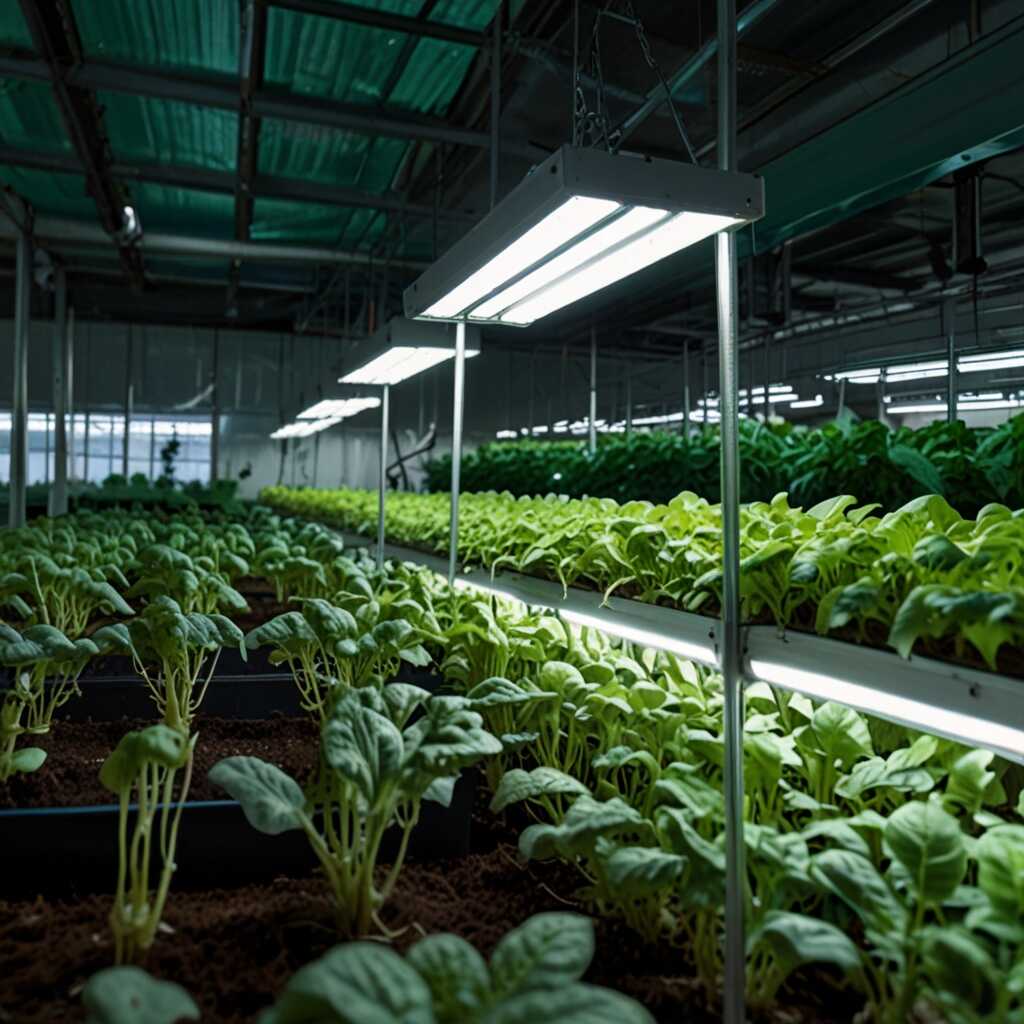
Different grow light technologies offer distinct advantages for plant propagation applications. LED grow lights provide precise spectrum control with operational lifespans exceeding 50,000 hours, making them ideal for consistent red wavelength delivery. Fluorescent systems offer broad coverage at lower initial costs, though their 10,000-hour lifespans require more frequent replacement. High-pressure sodium lights excel for flowering stages but generate excessive heat for delicate propagation work. Each lighting technology impacts plant development differently, with red-rich LED systems providing the most precise control for root enhancement applications.
Choosing the Right Grow Light for Your Plants
Selecting appropriate grow lights requires matching technology capabilities with specific propagation goals and plant requirements. LED systems excel for precision propagation work because they deliver targeted red wavelengths without generating excessive heat that can damage sensitive cuttings. Fluorescent lights work effectively for seedlings and leafy herbs due to their gentle, broad-coverage light distribution and moderate heat output. Compare energy efficiency ratings, spectrum adjustability, and heat generation levels when evaluating different options. Research consistently shows that matching light technology to specific growth stages significantly improves both root development speed and overall propagation success rates.
Cost Considerations for Red Wavelength Grow Lights
Red wavelength LED grow lights typically range from $30-150 for basic home propagation setups, while professional-grade systems cost $200-800 depending on coverage area and spectrum precision. Initial investment costs vary based on factors including light intensity output, coverage area, programmability features, and brand reputation. Operating costs remain relatively low, with efficient LED systems consuming 20-50 watts per square foot compared to 100-150 watts for equivalent fluorescent coverage. Most quality red wavelength systems pay for themselves within 6-12 months through improved propagation success rates and reduced energy consumption.
Budget-Friendly Options for Beginning Propagators
Beginning propagators can achieve excellent results with entry-level red wavelength systems priced between $30-80 for small-scale operations. These systems typically provide adequate 660-nanometer output for propagating 10-20 cuttings simultaneously while maintaining reasonable energy consumption levels. Mid-range options costing $80-200 offer enhanced spectrum control and larger coverage areas suitable for expanded propagation activities. When budget constraints exist, prioritize systems that provide consistent red wavelength output over advanced features like programmable timers or smartphone connectivity.
Limitations and Considerations for Red Wavelength Lighting
Red wavelength lighting alone cannot support complete plant development throughout all growth stages. While excellent for root development during propagation, plants require additional blue and green wavelengths for balanced leaf formation and photosynthetic efficiency. Red light systems may not provide sufficient intensity for light-demanding species that require full-spectrum illumination. Additionally, some plant varieties show minimal response to targeted red wavelength therapy, particularly those adapted to low-light environments. Cost considerations include higher initial investment compared to basic fluorescent systems, though operational savings typically offset this difference over time.
When Red Wavelengths May Not Be Sufficient
Certain propagation scenarios require broader spectrum lighting beyond targeted red wavelengths. Fast-growing vegetables and flowering annuals often need combined red and blue wavelengths from the beginning to prevent stretching and ensure compact growth habits. Shade-tolerant plants may actually perform better under gentler fluorescent lighting that more closely mimics their natural low-light preferences. Plants showing signs of stretching, pale coloration, or weak stem development under red light alone typically benefit from transitioning to full-spectrum systems that provide balanced wavelength coverage for comprehensive development.
Key Numbers to Know About Color and Plant Growth
- Plants absorb red light at wavelengths of 620-750 nm.
- Root development can increase by 30% with proper red light exposure.
- Studies show that plants exposed to red light grow 25% faster.
- Red wavelengths encourage rhizogenesis in seedlings.
- Optimal light duration for roots is 10-12 hours daily.
- Increased chlorophyll production can enhance root health.
- Plants may require over 200 μmol/m²/s of red light for growth.
Effective Strategies for Using Grow Lights in Plant Care
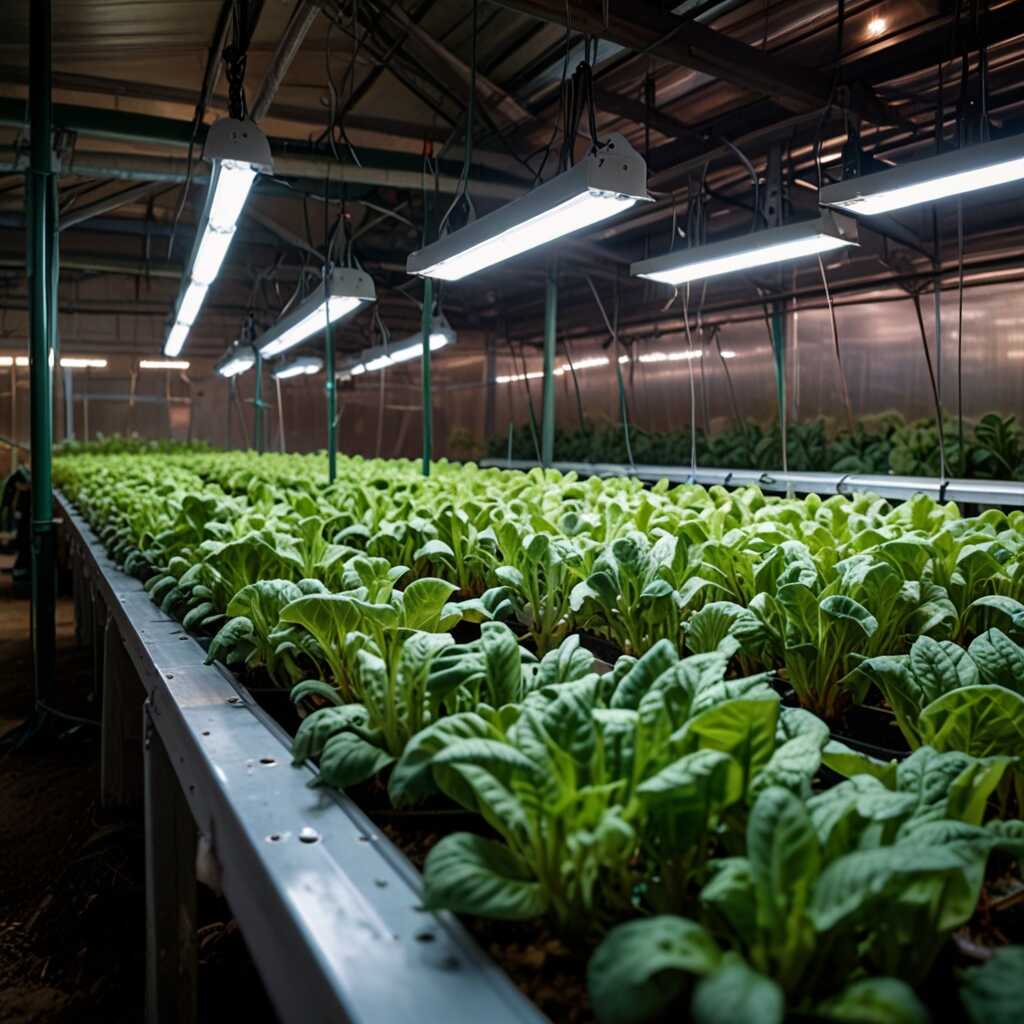
Maximize grow light efficiency by positioning red wavelength LEDs 12-24 inches from propagating plants, adjusting distance based on light intensity and plant sensitivity levels. Leafy greens and herbs tolerate closer placement due to their moderate light requirements, while woody cuttings benefit from slightly greater distances to prevent heat stress. Understanding how different plant species respond to targeted lighting enables more precise positioning and timing decisions. Some species thrive with concentrated red wavelengths during early propagation stages, while others require gradual transition to broader spectrum lighting as development progresses.
Understanding Optimal Timing for Grow Lights
Each plant species demonstrates unique light timing requirements that directly impact propagation success rates. Most propagating plants benefit from 10-14 hours of red wavelength exposure during their initial rooting phase, with automated timers ensuring consistent daily exposure. This steady exposure promotes healthy cellular activity without causing light stress or energy waste. Consider using automated grow light timer systems that provide precise spectrum control throughout different growth phases. Red wavelengths prove particularly effective during early propagation when root development takes priority over leaf expansion. Experiment with different timing combinations to determine optimal settings for your specific plant varieties and growing conditions.
Avoiding Common Mistakes in Using Grow Lights
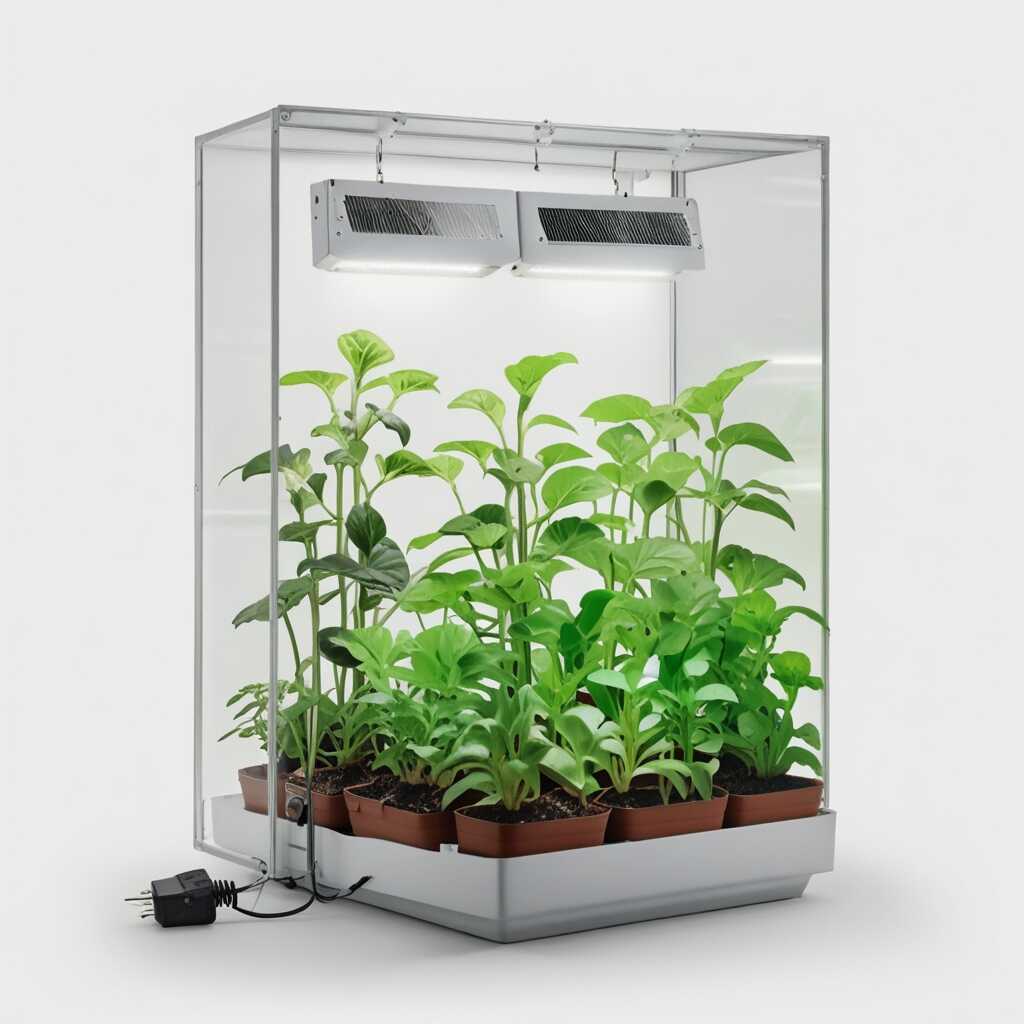
Many beginning propagators make critical errors in grow light positioning that significantly impact root development outcomes. Placing lights too far from cuttings reduces light intensity below effective levels, while positioning them too close can cause heat damage and cellular stress. Incorrect spectrum selection represents another common mistake, with some growers using broad-spectrum lights when targeted red wavelengths would prove more effective for root development. Inconsistent lighting duration often stresses plants that require steady daily exposure patterns. A consistent 10-14 hour daily schedule generally produces optimal results for most propagating species. Understanding that LED lights operate more efficiently than traditional fluorescent systems helps avoid energy waste while improving plant health outcomes.
Key Factors Impacting Grow Light Effectiveness
Understanding critical factors that impact grow light effectiveness enables more successful propagation outcomes. The distance between lights and plant canopy directly affects light intensity, with most propagating plants requiring 100-300 µmol/m²/s for optimal development. Light spectrum proves equally important, with red wavelengths around 660 nanometers demonstrating proven effectiveness for root enhancement applications. Regularly monitor light intensity using appropriate meters and adjust positioning as plants develop. Consistent observation of plant responses ensures that red wavelength systems provide necessary energy for robust root development without causing stress from excessive exposure.
Positive Effects of Using Specific Light Colors
- Red light stimulates the production of root hormones.
- It reinforces nutrient uptake by promoting healthy roots.
- This light enhances photosynthesis, benefiting all plant parts.
- Roots under red light develop a more extensive network.
- Red wavelengths can lead to more vigorous plant growth overall.
- Plants under red light show improved resilience to stress.
- This light speeds up the propagation process for new cuttings.
Adapting Light Conditions Based on Plant Feedback
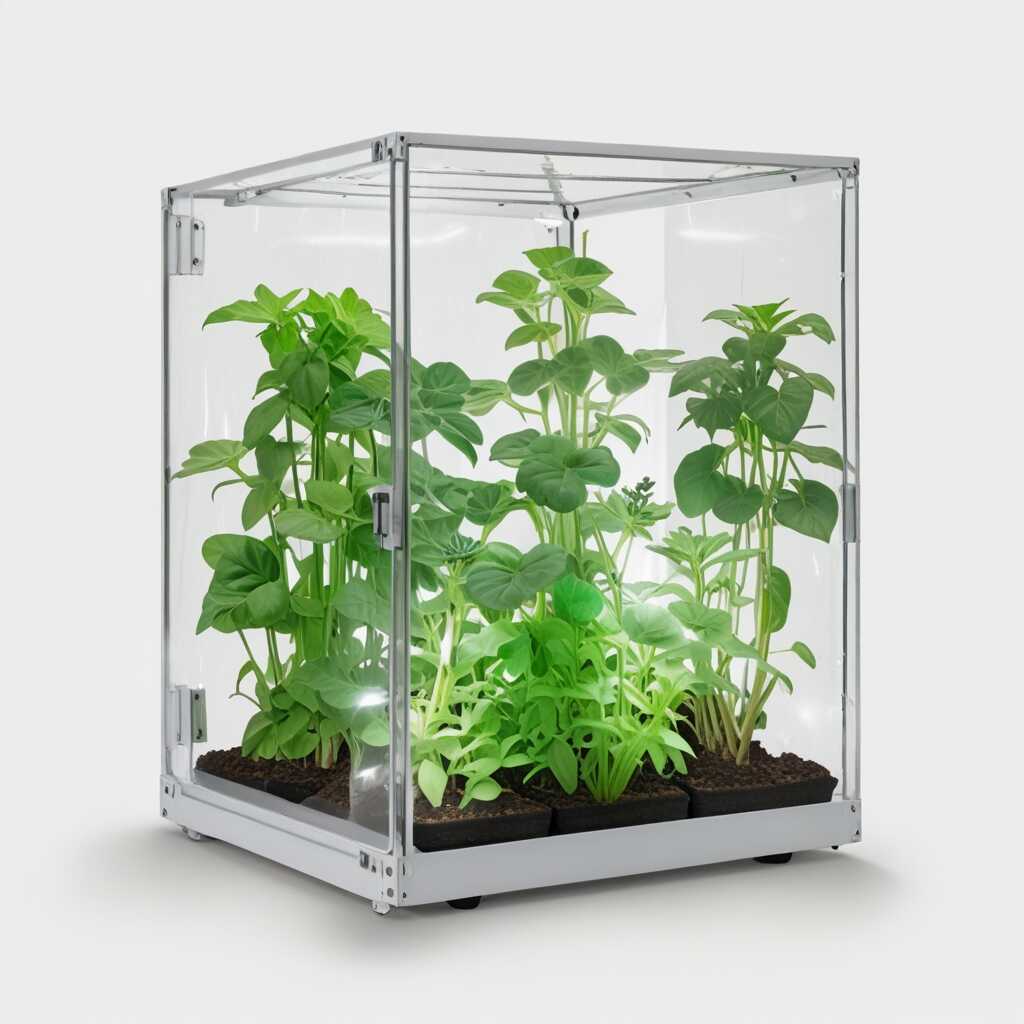
Observing plant responses closely helps identify signs of lighting stress that require immediate attention and adjustment. Yellowing leaves may indicate excessive light exposure or inadequate nutrient availability, while wilting typically signals insufficient light intensity or heat-related stress. Conversely, stretching growth patterns usually result from inadequate red wavelength exposure during critical development phases. Identifying these visual cues enables rapid adaptation of lighting strategies for improved indoor propagation success. Different grow light technologies, including specialized red wavelength LEDs and broad-spectrum fluorescent systems, can enhance root development when properly matched to plant needs. The specific spectrum and intensity they provide contributes significantly to different growth phases and outcomes.
Adjusting Light Exposure Based on Plant Needs
Adjusting light exposure according to individual plant requirements represents a critical skill for successful indoor propagation. Newly-started cuttings generally prefer gentler red wavelength exposure for 10-12 hours daily, while established seedlings thrive under stronger intensity for up to 14-16 hours. LED grow light maintenance ensures consistent spectrum delivery that enhances photosynthetic processes without causing cellular stress. Monitor plant feedback continuously, reducing exposure duration if leaves show curling, bleaching, or other stress symptoms. Conversely, increase light duration gradually if growth appears stunted or roots develop slowly. Successful adaptation requires ongoing observation and adjustment based on plant responses rather than rigid adherence to predetermined schedules.
Emphasizing Sustainable Practices in Indoor Gardening
Indoor propagation benefits significantly from eco-friendly lighting approaches that reduce environmental impact while improving plant health outcomes. Using sustainable technologies like energy-efficient LED grow lights enhances plant development while minimizing electricity consumption and operational costs. These advanced systems provide reliable performance for over 50,000 hours, substantially reducing waste compared to traditional lighting alternatives. Choosing organic growing media and biodegradable propagation containers also supports healthy plant development while limiting environmental harm. Such integrated sustainable practices not only boost propagation success rates but also contribute to overall environmental stewardship.
Maximizing Efficiency with LED Grow Lights
LED grow light testing methodologies consistently demonstrate superior energy efficiency compared to traditional alternatives. These systems include full-spectrum capabilities with enhanced red wavelength output proven to accelerate root development in propagating plants. They consume 60-80% less electricity than equivalent fluorescent or incandescent systems while providing superior light quality and spectrum control. The ability to precisely adjust both intensity and spectrum enables indoor propagators to tailor their setups for specific plant requirements. This customization enhances propagation success while aligning with sustainable gardening practices that minimize resource consumption.
Brands and Applications for Effective Plant Care
- Brand A focuses on affordable grow lights for beginners.
- Brand B offers professional-grade LED systems for nurseries.
- Casual indoor gardeners prefer easy-to-use lighting kits.
- Advanced gardeners invest in customizable light setups.
- Eco-friendly consumers look for energy-efficient lighting options.
- People seeking fast plant growth often choose full spectrum lights.
- Students use grow lights for practical horticulture projects.
Future Trends in Indoor Plant Lighting Technologies
Recent advancements in indoor plant lighting technologies focus on programmable LED systems that provide precise wavelength control for specific propagation applications. Leading manufacturers including Philips, OSRAM, and General Electric continue developing innovative solutions that enhance plant health through targeted spectrum delivery. These technologies are expected to become widely accessible by 2025, providing propagation enthusiasts with proven methods to improve root development efficiency while reducing energy consumption.
Innovative Features in Modern Grow Lights
Modern grow light attribute comparisons reveal advanced features designed to optimize photosynthetic processes and overall plant health outcomes. These systems include precisely-tuned red wavelength spectrums specifically calibrated for enhanced root development in propagating plants. New models often incorporate smart technology that enables users to adjust both light intensity and exposure duration based on specific growth stage requirements. Testing consistently demonstrates that these advanced features improve propagation success rates by ensuring plants receive optimal light conditions throughout their development cycles. Enhanced energy efficiency also reduces utility costs significantly, making these systems excellent long-term investments for serious indoor propagation enthusiasts.