
Creating effective rotating light schedules for 24-hour greenhouse production is essential for maximizing plant growth. These schedules can enhance resource utilization and improve overall yield in your greenhouse. At Green Writer, we aim to support you with practical steps and expert tips to craft the best lighting strategies. Let’s explore how proper scheduling can lead to a thriving and sustainable indoor garden.
Understanding the Role of Light in Plant Development and Growth
Light is essential for plant growth because it drives photosynthesis. During photosynthesis, plants convert light energy into chemical energy, enabling them to produce food. Wavelengths of light, measured in nanometers, directly affect photosynthesis and yield. Each plant species may respond differently to light quality, with blue light promoting vegetative growth and red light fostering flowering. Green Writer emphasizes the importance of ensuring that greenhouses have the appropriate rotating light schedules to maximize plant health. For optimal growth, most plants require 12 to 16 hours of light per day depending on the species.
Understanding Wavelengths of Light in Photosynthesis
Wavelengths of light play a vital role in photosynthesis. Blue light, ranging from 400 to 500 nanometers, enhances leaf growth and helps develop strong stems. Red light, between 600 and 700 nanometers, is crucial for flowering and fruiting. Green light, while less effective for photosynthesis, penetrates deeper into plant tissues. Implementing a balanced spectrum that includes these wavelengths will enhance plant growth and yield. Utilizing LED grow lights can provide these necessary wavelengths efficiently. When setting up rotating light schedules, consider the specific flowering and growth phases of your plants for maximum results.
Factors Influencing Optimum Light Scheduling in Greenhouses
When setting up light schedules in a greenhouse, several factors come into play. Understanding the specific needs of various plant species is essential. For example, leafy greens like lettuce thrive under shorter light periods compared to fruiting crops like tomatoes. Each plant species exhibits unique growth stages that require different light durations and intensities, impacting growth performance. Seedlings need lower intensity light to prevent burning, while mature plants benefit from higher light levels for optimal photosynthesis. Research shows that the optimal daily light period generally ranges from 12 to 16 hours for most vegetable crops, but this can vary significantly based on the crop type.
Understanding Plant Growth Stages and Their Lighting Needs
Every plant goes through distinct growth stages, which include seedling, vegetative, and flowering phases. During the seedling stage, plants require fewer hours of light, around 12 hours, with low intensity to promote sturdy root development. As they transition to the vegetative stage, a longer light duration, typically 14-16 hours, is necessary to initiate growth. Finally, in the flowering stage, some plants, such as peppers, may require light intensity to be increased further to enhance yield and quality. Balancing these light duration and intensity requirements effectively improves greenhouse efficiency, ensuring healthy plants and maximizing yields.
Types of Grow Lights Compatible with Greenhouse Production
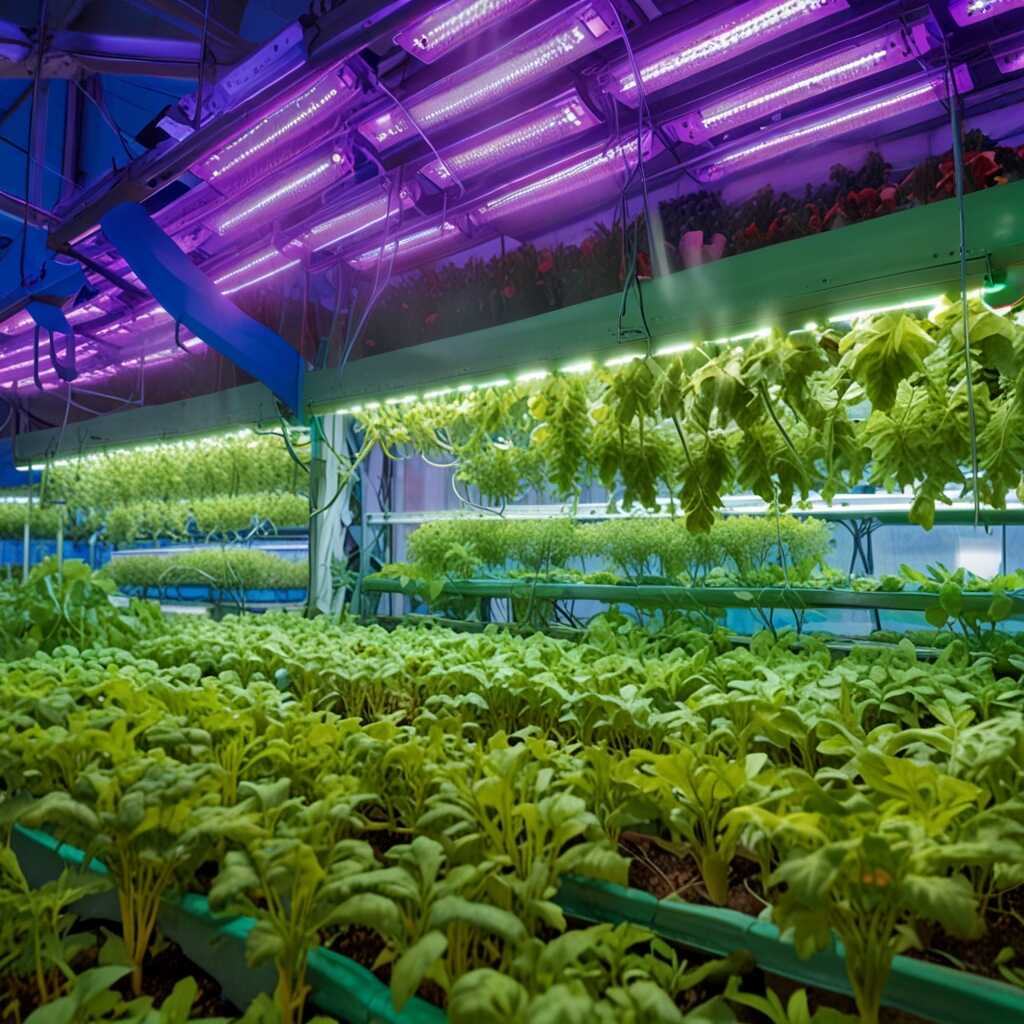
There are three main types of grow lights used in greenhouse production: LED grow lights, fluorescent lights, and full-spectrum lights. LED grow lights offer high energy efficiency and can last over 50,000 hours, making them a reliable choice for long-term use. Fluorescent grow lights are useful for seedling development due to their lower heat output and good light intensity. Full-spectrum lighting delivers a balanced range of wavelengths, enhancing photosynthesis across various plant growth phases. Each type has unique benefits that improve greenhouse production efficiency, ensuring optimal plant growth and resource use.
Benefits of LED Grow Lights in Greenhouse Cultivation
LED grow lights provide superior energy efficiency compared to traditional fluorescent and incandescent options. They emit less heat, requiring less temperature regulation and reducing cooling costs. Many LED models offer adjustable light spectra, allowing growers to customize lighting for specific plant phases. Research indicates that LED grow lights can enhance growth rates and yield quality. The selection of spectrums, such as blue light for vegetative growth and red light for flowering, enables reliable and impressive results. With excellent durability, LED fixtures often outlast their competitors, making them a wise investment for sustainable greenhouse practices.
Numerical Insights for Successful Gardening
- 24 hours: light schedules can optimize plant growth and health.
- 3 stages: plants benefit from different light wavelengths during their life cycle.
- 50%: energy savings are possible by using LED grow lights over traditional bulbs.
- 18: the number of hours some plants thrive with light during their vegetative stage.
- 600: the average wattage for an efficient greenhouse light system.
- 4: common types of growing lights for varying plant needs.
- 365: days a year to maximize yield with the right light rotation.
Creating a Step-by-Step Rotating Light Schedule
To establish an effective rotating light schedule, first assess your plant species. Different plants have distinct light requirements. You must determine the optimal light duration for each plant type, usually between 12-18 hours of light per day. Create a timetable that incorporates these durations while ensuring every plant receives light equally. Use timers or smart automation features to maintain consistency. Regularly review your system’s performance. Adjust the timings based on plant growth and health. Tracking results helps optimize the schedule, ensuring efficient greenhouse lighting.
Understanding Light Duration and Plant Growth
Light duration is critical for enhancing plant growth and maximizing greenhouse efficiency. Studies show that specific light cycles, such as 16 hours of light followed by 8 hours of darkness, replicate natural conditions and promote the best growth rates. Constant light exposure can stress plants and cause issues like leggy growth or poor fruiting. Using reliable timers ensures that your rotating light schedule maintains appropriate durations. This proven system enables plants to thrive while effectively utilizing energy resources in your greenhouse.
Monitoring Plant Response to Light Schedules
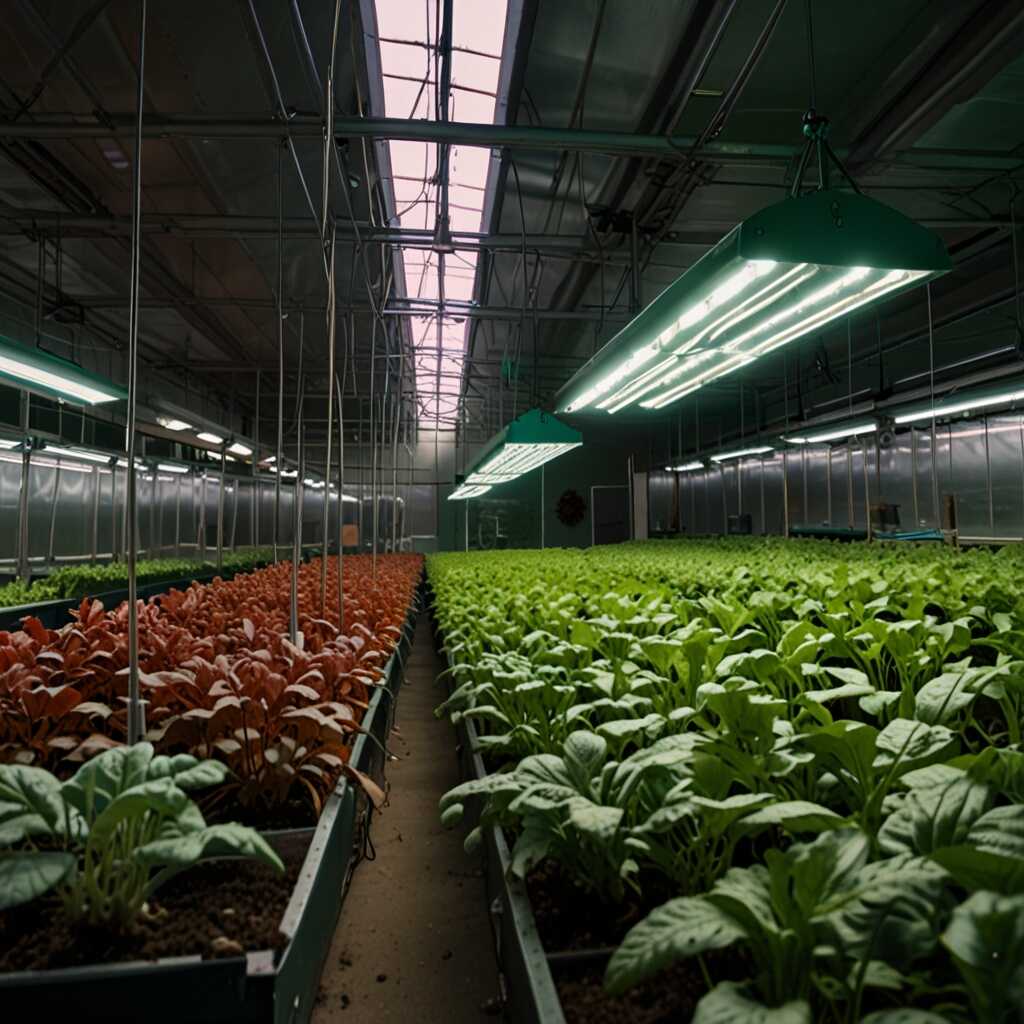
Understanding plant responses to light schedules requires careful observation. Signs of healthy plant responses include vibrant foliage, consistent growth, and blooming at expected intervals. Poor responses may manifest as yellowing leaves, stunted growth, or delayed flowering. Different plant species often show unique growth patterns based on light durations and intensities. For instance, leafy greens may thrive under 16 to 18 hours of light, while flowering plants usually prefer around 12 to 14 hours. Monitoring these variables helps you make necessary adjustments to enhance plant productivity.
Identifying Signs of Plant Health and Growth
Identifying signs of plant health is essential for successful greenhouse management. Regularly check for vibrant colors in leaves and established growth rates. Leaf curling or discoloration indicates stress or inadequate light. Regularly noting changes in growth patterns can provide data on plant performance under specific light conditions. Using this information, you can adjust your light schedule to improve results. For instance, increasing light intensity during growth phases helps support heavier yields and faster maturation. This system enables you to ensure that all plants receive the optimal light duration for their specific needs.
Advantages of Adaptive Lighting Solutions
- Enhanced growth: rotating light schedules boost photosynthesis efficiency.
- Energy savings: reduced electrical costs with properly timed light use.
- Optimized growth cycles: different light durations encourage stage-specific benefits.
- Improved plant health: uniform light exposure prevents leggy growth and spindliness.
- Environmental stress reduction: plants better handle temperature variations.
- Better resource management: efficient lighting minimizes waste and maximizes output.
- Increased yield: consistent light conditions promote higher productivity rates.
Common Pitfalls in Light Scheduling and How to Avoid Them
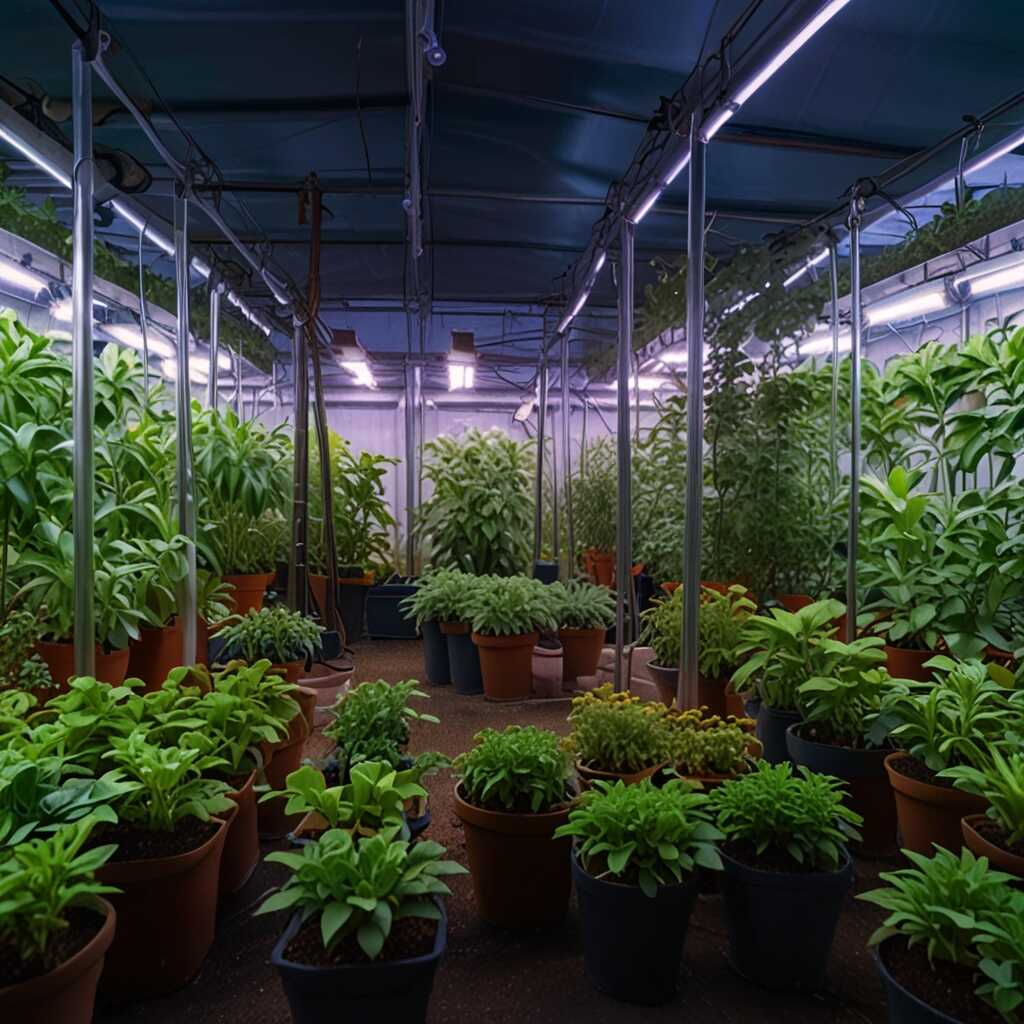
Common mistakes in light scheduling include giving inconsistent light durations, failing to adjust light intensity, and not considering plant types. Inconsistent light improves the chances of growth irregularities, causing stress to your plants. Failing to adjust light intensity can burn sensitive plants or leave them underexposed. Different plants like tomatoes, lettuce, and orchids need different light conditions, leading to stunted growth or unhealthy leaves if neglected. Generally, the optimal duration of light exposure is about 14 to 16 hours per day for most plants. Understanding these common pitfalls ensures effective greenhouse management and promotes better plant health.
Adjusting Light Durations for Different Plant Types
Adjusting light durations is crucial for different plant types. For instance, tomatoes thrive with 14-16 hours of light, requiring high intensity for strong growth. Lettuce prefers cooler conditions and does well with around 12-14 hours of light to avoid going to seed too quickly. Orchids typically thrive on more indirect light and can handle only about 10-12 hours per day. Utilizing reliable LED grow lights enables precise control of light intensity and duration tailored to each plant’s needs. This level of attention improves growth and ensures a successful greenhouse environment.
Advantages of Implementing Automated Light Scheduling
Automating light scheduling provides several key benefits for greenhouse owners and commercial growers. It simplifies the management of light conditions, ensuring optimal light is consistently available for plant growth. This reliability boosts plant growth optimization by catering to each plant’s specific light needs. Automation also enhances energy efficiency by reducing wasted energy. Studies indicate that automated systems can lead to savings of up to 30% in energy costs when compared to manual adjustments. This allows growers to focus on plant care rather than constantly monitoring their light schedules, improving overall productivity.
How to Choose the Right Automated Light Systems for Your Greenhouse
Choosing the right automated light systems is crucial for maximizing efficiency and plant growth. Consider LED grow lights with programmable features that enable tailored light cycles. Full spectrum lights are essential for supporting different plant growth stages efficiently. Look for systems with user-friendly interfaces that allow easy adjustments and scheduling. Seek reviews and recommendations to identify reliable products that have been tested for durability and performance in greenhouse settings. Quality automated light systems enhance energy savings and deliver consistent results, ensuring your plants receive the necessary light without frequent manual intervention.
Target Demographics for Optimal Light Management
- Commercial growers: need to maximize yield in limited space.
- Indoor gardening enthusiasts: seek effective solutions for hobby growth.
- Eco-conscious consumers: prefer energy-efficient lighting for sustainability.
- Agricultural students: learn about the importance of light for plant science.
- Urban dwellers: utilize limited space for vegetable and ornamental plants.
- Research institutions: study plant responses to changing light conditions.
- Community gardens: aim to create productive spaces for local food production.
Successful Case Studies of Rotating Light Schedules in Action
Real-life examples showcase how rotating light schedules dramatically improve greenhouse production. One greenhouse owner, after adopting a 24-hour light schedule, reported a 30% increase in tomato yields. In another case, a commercial lettuce grower achieved consistent growth by using a rotating light schedule tailored for different plant types. This method enhanced the production of microgreens significantly by ensuring they receive adequate light during critical growth phases. These testimonials highlight how rotating light schedules enhance plant growth and resource efficiency, providing substantial benefits to greenhouse owners.
Understanding Plant-Specific Benefits of Rotating Light Schedules
Different plants respond uniquely to light exposure, and rotating light schedules optimize these needs. For instance, leafy greens like spinach thrive under a balanced light cycle that mimics their natural environment. Tomatoes benefit from a period of darkness to ensure proper flowering. Research indicates that rotating schedules tailored for specific species can enhance growth rates by more than 20%. Providing the right spectrum of light, including blue and red wavelengths, supports various growth stages. This targeted approach enables growers to maximize efficiency and achieve superior crop quality in their greenhouse operations.