
Green Writer is reader-supported: some links on this page are affiliate links, and as an Amazon Associate Green Writer earns from qualifying purchases at no extra cost to you. Learn more.
A pond liner is a waterproof membrane that creates a watertight basin for holding water in a landscape. You need a liner when the ground consists of porous soil, sand, or gravel that would otherwise allow water to drain away. To determine the correct size, you must measure the length, width, and depth of your intended pond area and add a minimum of 0.5 metres of extra material on all sides to allow for anchoring and overlap.
Pond liners create waterproof barriers to prevent water from soaking into the ground
The primary problem a pond liner solves is the impossibility of creating a self-contained body of water in most backyard environments. Without a continuous, impermeable barrier, water moves through the earth as quickly as it is poured in. Because different materials react differently to weight, temperature, and chemical exposure, choosing a liner that matches your specific environmental conditions prevents the basin from leaking or the material from tearing under the weight of the water.
If you are designing a multi-use system, see the best pond liner for aquaponics to compare different material options.
How a Pond Liner Creates a Watertight Basin
A pond liner functions by creating a physical seal between the water and the earth through a three-stage process of containment, distribution, and pressure management.
- The liner creates a primary barrier that prevents water from percolating into the sub-base.
- The material distributes the weight of the water evenly across the surface of the ground, preventing the bottom of the pond from collapsing into soft spots.
- The flexibility of the membrane allows it to conform to irregular shapes, ensuring that the water remains trapped even as the ground shifts slightly due to moisture or temperature changes.
Pond Liners we have reviewed in detail
Prices across these 3 run from $116.99 to $359.99; each one has a full review here.
Understanding your budget is essential, so compare pond liner costs and price levels before you start your project.
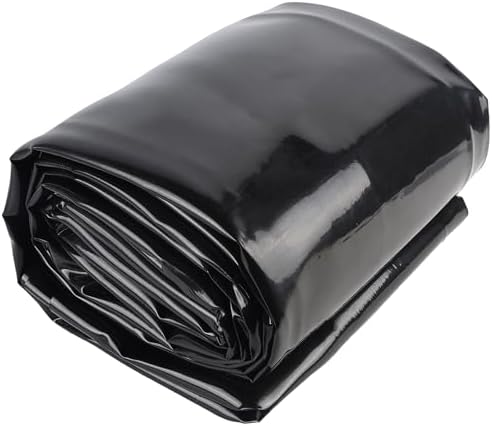


Material Standards and Construction Components
The material standards and construction components of a pond liner determine how long the basin remains functional and how much weight it can support before failing.
Determining the correct dimensions is vital, so calculate the necessary width for pond liners based on your basin size.
HDPE and EPDM Material Differences
HDPE (High-Density Polyethylene) is a cost-effective, rigid material common for smaller ponds and decorative features. It provides a durable, high-density barrier that works well in structured environments where the pond shape is relatively consistent. EPDM (Ethylene Propylene Diene Monomer) is the industry standard for flexibility, longevity, and fish safety in large installations. Because EPDM is a synthetic rubber, it handles significant expansion and contraction better than rigid plastics, making it a preferred choice for large-scale retention basins or koi ponds where movement is frequent.
The Impact of Mil Thickness on Durability
The “mil” is a unit of measurement equal to one-thousandth of an inch. If you are building a pond with a heavy rock base, a higher mil count provides a buffer against the sharp edges of the stone. For smaller, decorative features with a smooth substrate, a lower mil count may provide sufficient protection while reducing the total weight of the material.
Durability depends on thickness, and you can find the required liner thickness for your specific pond depth.
The Role of Seam Tape in Construction
Seam tape ensures a watertight bond between overlapping liner sections. When a pond is too large for a single sheet of material, multiple pieces must be joined. The tape acts as a secondary adhesive and waterproof seal, bonding the edges of the liner together to prevent water from seeping through the joints. Proper application of this tape is required to ensure the bond remains intact as the liner stretches and settles over time.
Different materials serve different purposes, so explore the various types of pond liners available today.
Practical Results of Different Liner Types
The practical results of your liner choice show up in the long-term integrity of the water level and the ease of maintenance. A high-quality EPDM liner provides a smooth surface that resists algae growth and remains flexible in extreme cold, ensuring the pond does not develop cracks or leaks during winter. In contrast, a thinner or more rigid liner might show signs of stress at the corners or where the pond walls meet the bottom.
Heavy duty pond liners prevent wall bulging in large water installations
The difference shows up most clearly in large installations where the weight of the water creates significant pressure against the sides. A heavy-duty liner maintains its shape and prevents the walls from bulging. However, for a small garden feature where the water volume is low, the difference between a high-mil and a standard-mil liner may be less noticeable in daily use, though the higher mil remains the safer choice against puncture from ground debris.
Protecting your investment is important, so review the pond liner warranties provided by different manufacturers.
Comparison Questions and Material Limits
How does this EPDM liner compare to a standard PVC liner for a backyard pond?
This EPDM liner provides greater flexibility and a longer lifespan than standard PVC in most backyard pond applications. EPDM is specifically engineered to withstand the constant stretching and movement that occurs in a pond, whereas PVC can become brittle over time. For a backyard pond, EPDM offers a more reliable long-term seal against leaks.
For a heavy-duty option, view our full 25X25FT Pond Liner review to see the technical specifications.
How does this compare to cheaper PVC liners in terms of durability?
This comparison highlights that high-quality liners offer superior resistance to punctures and environmental degradation than cheaper PVC options. Cheaper liners often have lower mil thickness and less stable chemical compositions, which can lead to cracking or tearing under stress. A higher-grade material ensures the pond remains watertight for years rather than months.
How does this EPDM liner compare to the cheaper PVC options I’ve seen?
This EPDM liner offers a much higher degree of fish safety and material longevity compared to the cheaper PVC options available. Because EPDM is a rubber-based material, it is less likely to leach chemicals into the water or degrade when exposed to sunlight. It is designed to endure the stresses of a large pond where cheaper PVC might fail.
Larger projects may require more coverage; see our full 30X35FT Pond Liner review for a detailed breakdown.
Does the HDPE material stay flexible in freezing temperatures or will it crack?
The HDPE material remains functional in cold weather but is more prone to becoming rigid compared to rubber-based liners. While it is designed for outdoor use, it may experience more expansion and contraction stress in extreme sub-zero temperatures. For very cold climates, the choice of material depends on the specific temperature extremes of your region.
High-end rubber options are available, and you can view the Firestone PL45-1515 spec breakdown for premium performance.
How does the HDPE material hold up against UV rays compared to EPDM rubber?
The HDPE material is typically stabilized to resist UV degradation, but EPDM rubber is often considered the superior choice for long-term sun exposure. EPDM is specifically formulated to maintain its elasticity and integrity even under constant direct sunlight. If your pond is in a location with high solar exposure, EPDM provides a more consistent defense against UV damage.
Who Needs a Pond Liner and Who Does Not
You need a pond liner if you intend to create a permanent body of water in a location where the ground is not naturally impermeable, such as a backyard, a park, or a commercial site. This applies to anyone building a koi pond, a wildlife pond, or a decorative water feature where the water must be contained within a specific footprint.
For a reliable EPDM choice, see our full Lifeguard EPDM Liner review to understand its material properties.
You do not need a pond liner if you are creating a “dry” feature, such as a stone fountain that only runs water over the surface without a reservoir, or if you are installing a pond in a natural basin with a clay-heavy, non-porous bottom. If the ground naturally holds water without a barrier, the installation of a liner is unnecessary.
The other water feature lining guides we have published
- Which Pond Liner Is Best for Large Outdoor Ponds?
- Best Pond Liner for Small Garden Fountains
- Aquaponics Pond Liners for Fish and Plant Systems Compared
- Which Pond Liner Prevents Dirt From Seeping Into Your Pond?
- Which Koi Pond Liner Is Best for Your Backyard?
- Best EPDM Pond Liner for Backyard Water Features