
Eco-friendly garden products are divided into three main categories based on their lifecycle and material composition: biodegradable materials, recycled content products, and sustainably sourced raw materials. The primary factor that separates these types is the point at which the product enters the waste stream. While some products are designed to return to the earth as nutrients, others are engineered to stay in the garden for years while reducing the demand for new raw resources.
Biodegradable Garden Materials
Biodegradable garden materials are defined by their ability to break down into organic matter through biological processes like composting or soil integration. These products are intended for short-term use, such as seed starting, mulch, or temporary support structures. If you are a gardener who prioritizes soil health and nutrient cycling, you should prioritize these materials over long-lasting synthetics.
Biodegradable options perform better than others by eliminating the need for waste disposal and preventing microplastic accumulation in the soil. However, they give up structural longevity; a biodegradable stake or pot will eventually lose its integrity as it breaks down. These products typically sit in the lowest price band of the category, as they are often single-use items.
Sourcing and Certifications
When selecting biodegradable options, the FSC Certification is a critical standard to check. This ensures that any wood or bamboo fibers used in the product come from forests managed with international sustainability and legality standards. Without this certification, “eco-friendly” wood may still contribute to deforestation.
Where these choices show up in our reviews
Prices across these 3 run from $10.99 to $64.95; each one has a full review here.


4-Inch Biodegradable Stakes
If you are planning a large harvest, see our comparison of the best eco friendly garden stakes for tomatoes.
$64.95 price checked August 2026
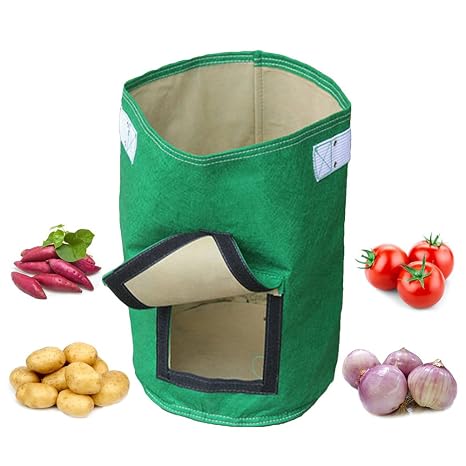
Recycled Content Garden Products
Recycled content garden products are made from post-consumer or post-industrial waste, such as recycled plastics, metals, or rubber. These are designed for high-durability applications like raised beds, heavy-duty pots, and garden furniture. You should choose this type if you need a permanent structure that will withstand several seasons of weather and weight.
Recycled products excel in durability and longevity, often outlasting virgin plastic alternatives. The primary compromise is that they cannot be returned to the soil; once they reach the end of their life, they must be recycled or disposed of as waste. These products sit in a mid-to-high price band relative to other types, depending on the complexity of the manufacturing process.
For those with limited outdoor area, explore our guide to eco friendly garden supplies for small spaces.
Durability and UV Degradation
A critical failure mode for recycled plastic garden products is UV degradation. Because recycled plastics can have inconsistent polymer structures, they may become brittle and shatter in sunlight if not treated with specific UV inhibitors. You should look for products that specify high-micron fabric standards or UV-stabilized resins to ensure the material does not break down prematurely.
Sustainably Sourced Raw Materials
Sustainably sourced raw materials refer to products made from virgin materials that are harvested using methods that preserve the ecosystem, such as FSC-certified hardwood or sustainably harvested stone. These are often the “premium” choice for garden aesthetics and extreme durability. This type is for the gardener who wants a permanent, natural look and is willing to pay for high-quality raw inputs.
Sustainably sourced materials offer the best aesthetic integration and extreme longevity, often lasting decades. They give up the lower price point of biodegradable goods and the high-recycled content of industrial products. These sit in the highest price band relative to the other categories due to the costs associated with ethical harvesting and transport.
Moisture Absorption and Warping
Unlike recycled plastics, untreated wooden stakes or structures from this category are prone to moisture absorption. This can cause the wood to warp or rot before the plants mature. Selecting materials that have been treated with non-toxic, water-resistant finishes can mitigate this failure mode without compromising the eco-friendly status of the wood.
Comparison of Eco-Friendly Garden Types
| Type | Best-Fit Buyer | Main Advantage | Main Compromise |
|---|---|---|---|
| Biodegradable | Seed starters and nursery growers | Returns to soil as nutrients | Short lifespan/single-use |
| Recycled Content | Raised bed and furniture owners | High durability and waste reduction | Cannot be composted |
| Sustainably Sourced | Permanent landscape designers | Natural aesthetics and longevity | Higher initial cost |
How to Choose the Right Eco-Friendly Type
To determine which eco-friendly garden type fits your needs, you should check your situation against these three conditions.
Is the product for a single season?
If the item is for starting seeds, temporary plant support, or a single-season mulch, you should choose biodegradable materials. These allow you to avoid the waste of buying plastic pots that you would otherwise have to throw away after the growing season.
Will the product hold heavy weight?
If you are building a raised bed or a large planter that must hold heavy soil and large shrubs, you should choose recycled content products or sustainably sourced hardwoods. These materials provide the structural integrity needed to prevent soil displacement or tipping under heavy loads.
Is the look of the material important?
If you prefer a natural, organic appearance over a manufactured look, you should prioritize sustainably sourced raw materials. While these have a higher price point, they provide a permanent garden feature that blends into the landscape without the look of recycled plastics.
Browse our other Eco Friendly Garden pages
- Which Eco Friendly Garden Planting Grow Bags Are Best?
- Best Eco Friendly Garden Supplies for Small Spaces
- Eco Friendly Garden Markers for Potted Plants Compared
- Choosing the Best Eco Friendly Garden Supplies Under $50
- Best Eco Friendly Garden Markers for Herbs
- Eco Friendly Garden Supplies for Vegetable Crops Compared