
Enhancing the growth of greenhouse carnivorous plants using LED lights can lead to thriving, vibrant specimens. These energy-efficient lighting techniques provide ideal wavelengths that cater to specific growth stages. Green Writer emphasizes the importance of using full spectrum lighting to meet the diverse needs of these unique plants. By implementing effective LED lighting practices, garden enthusiasts can create optimal conditions for healthy and sustainable plant growth.
Advantages of LED Lights for Greenhouse Plant Cultivation
LED lights provide significant advantages for greenhouse plant growth. They are highly energy efficient, using up to 80% less power than traditional incandescent lights. LED lights also produce less heat, reducing cooling costs and risk of plant damage. This efficiency helps improve overall plant health, providing users with reliability in both seedling and flowering stages. The lifespan of most LED grow lights exceeds 50,000 hours, allowing for less frequent replacements and saving money in the long run. These features make LED lights essential for maximizing the potential of greenhouse cultivation.
How LED Lights Enhance Plant Growth Stages
LED grow lights support different growth stages by delivering specific light wavelengths. For example, blues (400-500nm) enhance vegetative growth, while reds (600-700nm) stimulate flowering. Using full spectrum LED lights provides a balanced light output that caters to all stages for optimum performance. This optimization allows home gardeners to achieve faster growth rates while ensuring higher quality yields. Research shows that plants under LED lighting exhibit better health and vigor, proving them to be effective solutions for greenhouse cultivation.
Exploring Light Spectrum and Plant Growth Requirements
Understanding the significance of different light wavelengths is essential for enhancing the growth of carnivorous plants. Plants use specific light wavelengths for photosynthesis and growth stages. Blue light (400-500 nm) promotes vegetative growth, making it crucial for healthy leaf development. Red light (600-700 nm) encourages flowering and fruiting stages. Different carnivorous plants respond uniquely; for instance, Venus flytraps thrive under a mix of blue and red light, whereas Nepenthes may prefer a broader spectrum. The optimal range for carnivorous plant growth typically falls between 400 nm and 700 nm, where plants can utilize the most energy effectively.
Understanding Carnivorous Plant Light Requirements
Carnivorous plants have specific light requirements that vary by species. For example, the Venus flytrap (Dionaea muscipula) thrives with 12 to 14 hours of light daily, primarily from full spectrum LED lights. These lights encompass both blue and red wavelengths, enhancing growth and attracting insects. Sundews (Drosera) prefer bright, indirect light and can tolerate some shade. Research shows that using LED lighting designed for plant growth can improve energy efficiency while providing the necessary spectrum. The use of such lights ensures reliable growth results and promotes a sustainable gardening practice.
Recommended Light Exposure Times for Carnivorous Plants
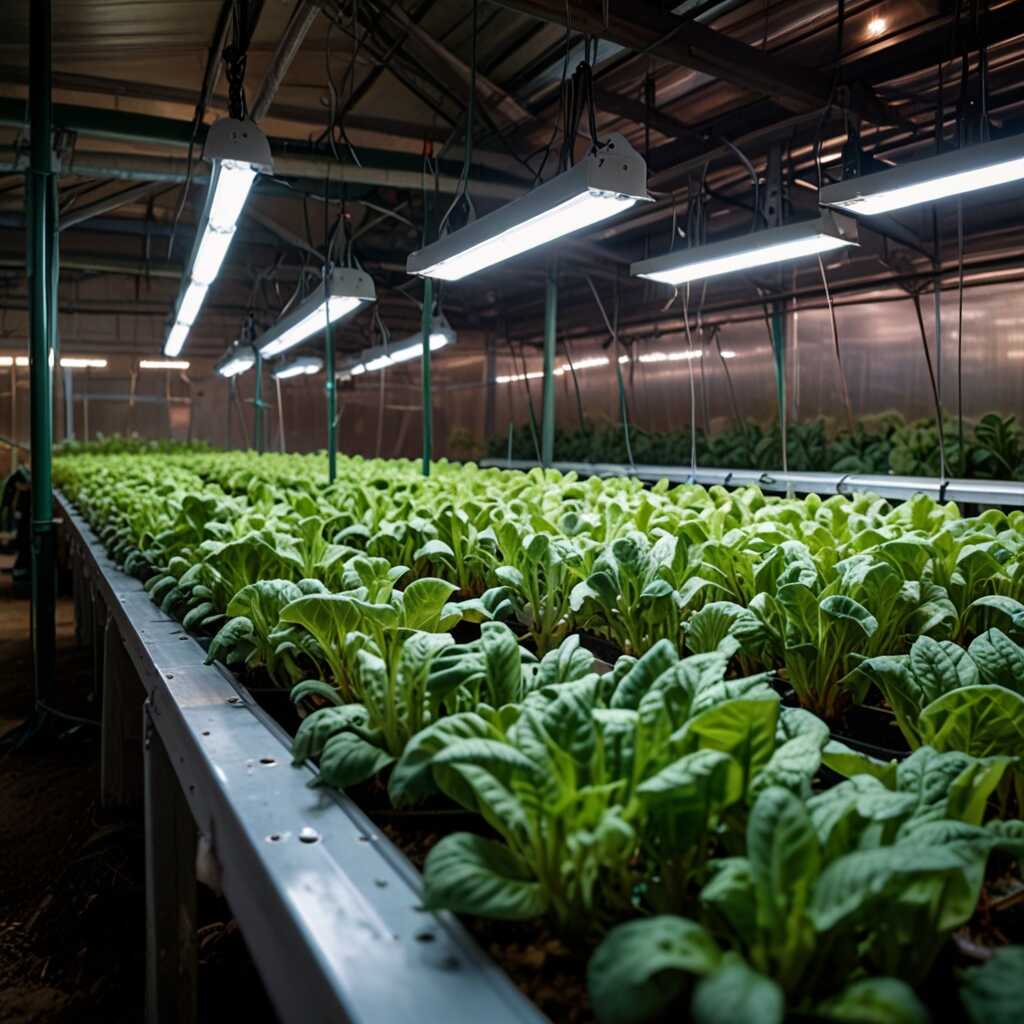
Carnivorous plants require specific light exposure for optimal growth. Generally, most species thrive under 12 to 16 hours of light per day. For example, Venus flytraps need around 14 hours of full-spectrum light daily for best results. Pitcher plants also enjoy similar exposure times, while sundews benefit from 12 to 14 hours of bright light. LED lights are efficient options for providing consistent brightness. Consider factors like the type of carnivorous plant and the season to adjust light exposure. Reliable data shows that exceeding 16 hours may stress some species, impacting their health.
Understanding Light Needs of Popular Carnivorous Plants
Different types of carnivorous plants have varying light requirements. Venus flytraps thrive best with 12 to 16 hours of full-spectrum LED light. They grow efficiently under optimal lighting and can suffer under lower exposure levels. Pitcher plants often enjoy 14 to 16 hours and can adapt well to bright conditions. Sundews, which are more versatile, typically need around 12 to 14 hours of light. Using LED grow lights designed for plants ensures the right wavelengths reach your plants, enhancing their growth and overall health.
Key Numerical Insights on Lighting Needs
- LED lights can reduce energy costs by up to 80% compared to traditional bulbs.
- Full spectrum LED lights support plant growth across 400-700nm wavelengths.
- Some LED grow lights have a lifespan of over 50,000 hours.
- Plants need about 12-16 hours of light daily for optimal growth.
- Carnivorous plants thrive best at temperatures between 70°F and 90°F.
- Using LED lights can increase growth rates by 30-50% in greenhouse environments.
- Some plants may require varying light intensities, between 200-1000 µmol/m²/s.
Cost Benefits of Transitioning to LED Lighting
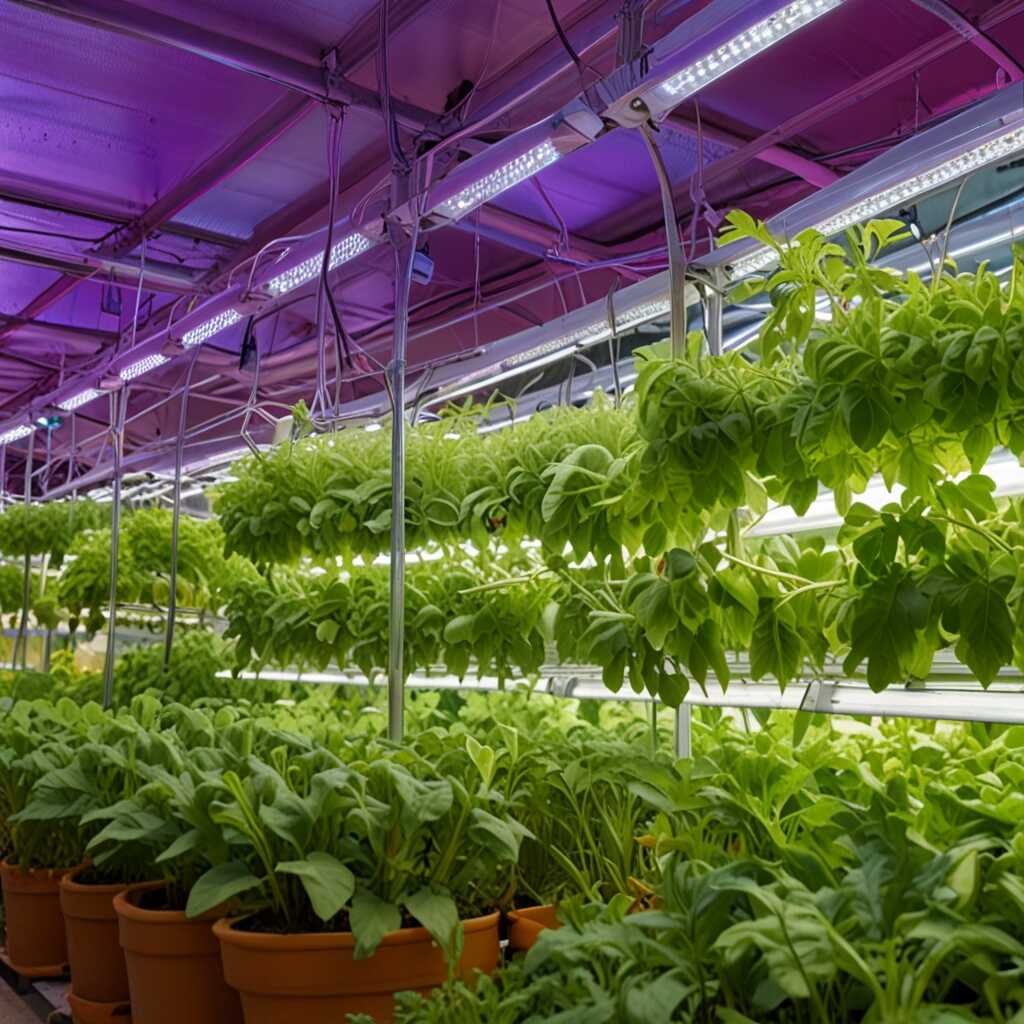
Investing in LED grow lights offers significant financial advantages for greenhouse carnivorous plants. LED lights are energy efficient, consuming up to 75% less electricity than traditional lighting. This efficiency translates into lower utility bills, making your gardening hobby more affordable. LEDs last longer, often exceeding 50,000 hours, compared to 1,000 hours for incandescent bulbs. This longevity reduces replacement costs. With the added benefit of lower heat output, LED lights decrease cooling expenses, further enhancing savings. Researchers recommend LEDs for their ability to improve plant growth with less energy expenditure, making them a smart choice for budget-minded gardeners.
Detailed Comparison of LED and Traditional Lighting Costs
When comparing LED lights to traditional lighting, several important factors emerge. LEDs provide energy efficiency that leads to significant savings. They consume less power while delivering the necessary light spectrum for healthy plant growth. The lifespan of LEDs is crucial; a traditional bulb may need replacing multiple times per year. In contrast, a single LED can last over a decade. Consider monthly electricity bills; many gardeners report savings of $100 or more annually after switching to LEDs. These cost savings accumulate over time, making LED lighting a financially sound choice for home gardeners passionate about sustainability and effective growth of carnivorous plants.
Strategies for Efficient Greenhouse Lighting Setup
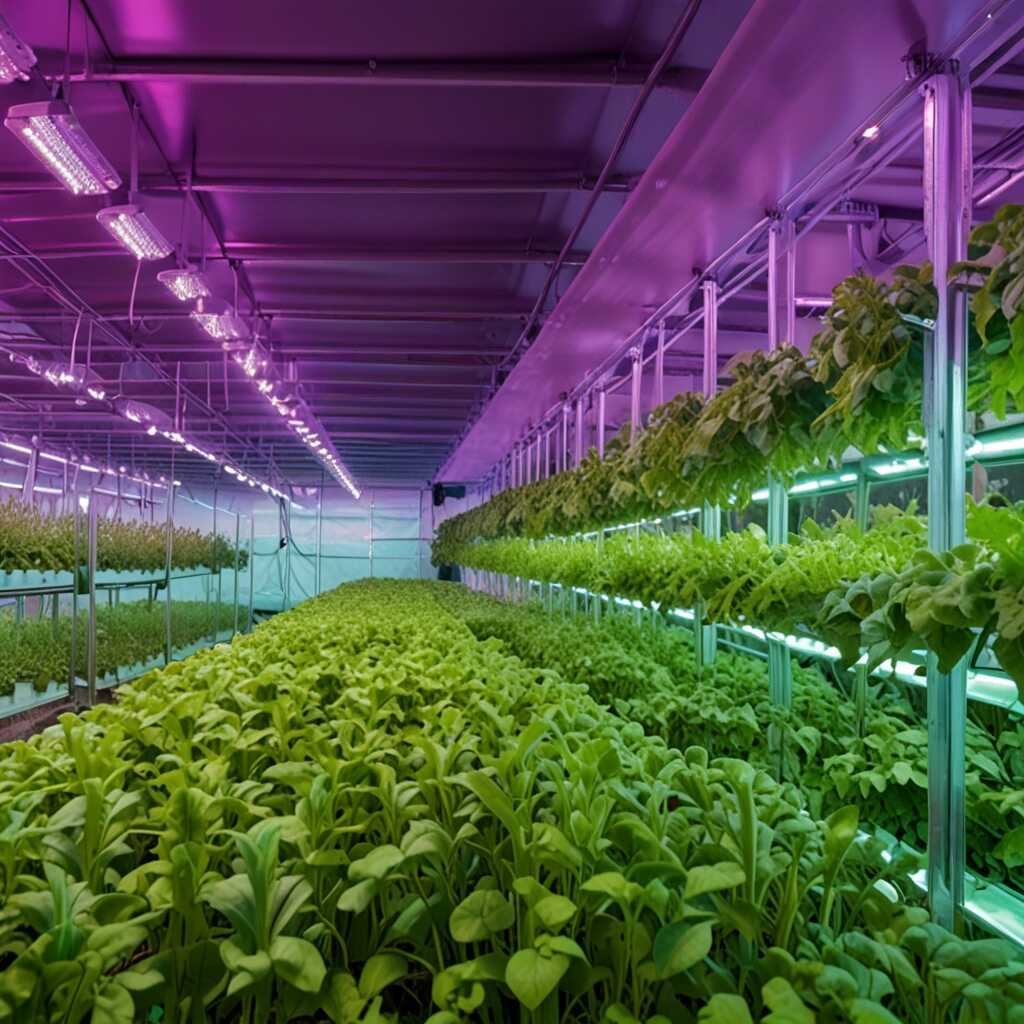
To achieve the best results for growing carnivorous plants, proper positioning of LED lights is essential. Place lights at angles where they cover the most area and evenly illuminate all plants. A distance of 12 to 24 inches above the plants is recommended for adequate light distribution without risking leaf burn. Using reflectors around your LED lights can enhance efficiency by directing more light towards the plants. Incorporating diffusers softens the light, promoting even exposure while reducing hot spots. Regular adjustments based on plant growth and monitoring can significantly improve outcomes in your greenhouse setup.
Enhancing Growth with Reflectors and Diffusers
Using reflectors and diffusers in your greenhouse lighting system is a powerful strategy. Reflectors can increase the amount of light reaching your carnivorous plants by redirecting light that would otherwise escape. Position reflectors directly behind the lights for maximum efficiency. Diffusers help to spread light more evenly, reducing shadows that can stifle growth. Research has shown that combining these tools improves light access for plants, creating a healthier growing environment. Fine-tuning your lighting strategy by regularly testing the results allows you to optimize your setup effectively.
Advantages of Using Advanced Illumination
- LED lights improve plant health by promoting vibrant colors and strong foliage.
- They help maintain humidity levels by generating less heat than other lights.
- LED options offer energy efficiency, reducing long-term costs.
- This lighting method enhances photosynthesis, speeding up overall growth.
- They produce less waste as they last significantly longer than older bulbs.
- Full spectrum lighting can mimic natural sunlight and support blooming.
- LEDs can be customized to fit different growth stages and species needs.
Avoiding Common Pitfalls with Grow Lights
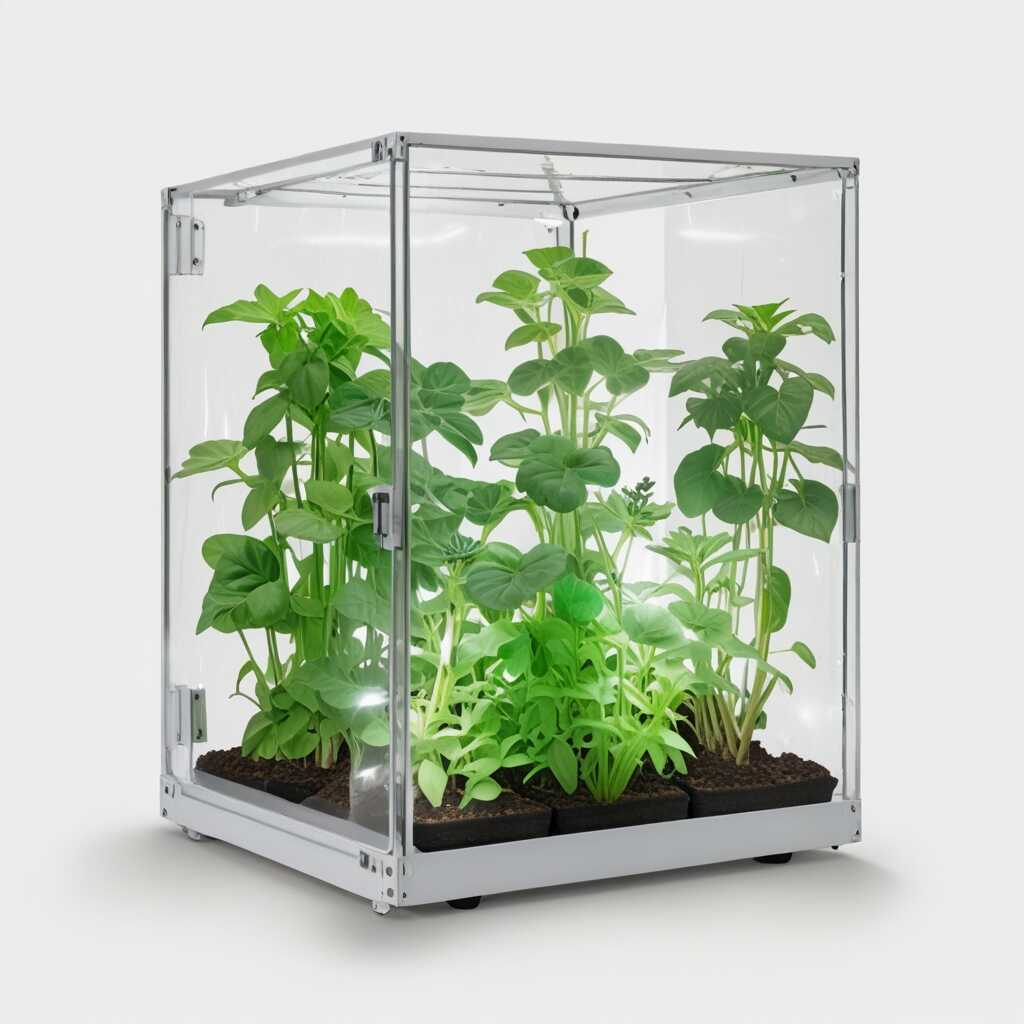
Common mistakes when using LED grow lights for carnivorous plants include inadequate light intensity and incorrect placement. Several growers underestimate the light requirements for specific plant species. Not adjusting the height of the lights as plants grow can lead to insufficient light exposure. Too much heat generation from LEDs may also harm plants, showing the importance of maintaining optimal distances. Ensure LEDs provide full spectrum light, as many carnivorous plants benefit from specific wavelengths for their growth phases. Research suggests that most carnivorous plants thrive with 12-16 hours of light daily.
Essential Features for Optimal Light Selection
When selecting LED lights for carnivorous plants, focus on features like full spectrum capability and energy efficiency. Full spectrum lights promote healthy growth throughout various stages, aiding processes like photosynthesis. Evaluate the wattage; brighter LEDs lead to stronger plants. Durability is essential, too; look for lights rated for a long lifespan, ensuring consistent performance. Consider adjustable intensity, allowing you to customize light levels as plants develop. A reliable comparison of available models can help you choose the best option for your greenhouse.
Specific Lighting Needs of Various Carnivorous Plant Types
Carnivorous plants, such as Venus flytraps and pitcher plants, have specific lighting needs for optimal growth. Venus flytraps thrive under bright light, ideally in full sun, requiring 12-16 hours of light daily. Pitcher plants, on the other hand, prefer indirect sunlight but can handle bright artificial light from LED grow lights. Each species reacts differently; for example, sundews require high light levels, typically between 2000 to 3000 lumens for best results. Understanding these species-specific needs helps gardeners adjust their lighting strategies effectively.
Understanding Different Species’ Light Intensities
When caring for carnivorous plants, understanding their specific light intensity requirements is crucial. Sundews prefer about 2000 to 3000 lumens of light for healthy growth. This intensity supports their photosynthesis process effectively. While Venus flytraps enjoy full sun, they can be sensitive to extreme heat. Providing a balance of light intensity with LED grow lights can ensure health and resilience in all carnivorous plant species. Use full-spectrum LEDs to offer stability across the light spectrum, enhancing growth stages from vegetative to flowering. Each plant type requires tailored care to achieve excellent performance and full health.
Understanding Consumer Interests in Sustainable Illumination
- Home gardeners prefer energy-saving solutions to grow various plants.
- Greenhouse enthusiasts appreciate efficient lights that maximize yield.
- Eco-friendly advocates often opt for brands promoting sustainability.
- Researchers study the effects of diverse light spectrums on plant growth.
- Educators utilize LED systems for teaching young students about botany.
- Community gardeners often share best practices on social media platforms.
- Plant lovers in urban areas seek options to green small indoor spaces.
Evaluating the Health of Plants Under Grow Lights
To evaluate the health of carnivorous plants under LED lights, observe the color and growth patterns. Healthy plants have vibrant, deep green leaves. If leaves turn yellow or brown, it indicates stress. Check for signs of wilting, stunted growth, or a lack of new leaves. These issues suggest that the plants may not receive the proper light intensity or spectrum. Use a light meter to measure the strength of the light and ensure it falls within the optimal range for growth. Regular monitoring can help detect any emerging issues early and facilitate adjustments to enhance growth effectively.
Identifying Symptoms of Growth Issues in Carnivorous Plants
Carnivorous plants have unique symptoms indicating they may struggle under LED lighting. Curling leaves often suggest insufficient light or excess heat from the lights. Blackened leaf tips can signal overheating or incorrect light duration. Yellowing may indicate nutrient deficiencies, poor water quality, or inappropriate light intensity. Adequately monitoring these growth symptoms allows for timely adjustments, ensuring that your plants thrive. Regular checks on watering schedules, light positioning, and nutrient availability support optimal plant health. A reliable routine allows you to provide the best care, ensuring your carnivorous plants flourish.