
Hydroponic nutrient is a water-soluble mixture of essential minerals and chemical elements designed to feed plants grown without soil. Because these systems lack the natural buffering and nutrient release of earth, the liquid solution provides the entire diet for the plant’s root system. It serves as the primary fuel source for growth, ensuring the plant receives the necessary building blocks to develop leaves, stems, and fruit.
Soil provides a reservoir of nutrients that break down over time, but in a hydroponic setup, the reservoir is the water itself. Without a consistent supply of these minerals, a plant will quickly exhaust its internal stores and stop growing. This category of products exists to solve the problem of nutrient deficiency in soil-less environments, where the lack of organic matter means the grower must manually provide every chemical requirement the plant needs to survive.
How does hydroponic nutrient work?
Hydroponic nutrient works by dissolving solid minerals into a liquid medium where they become bioavailable to the plant. The process follows a specific sequence of chemical and biological steps:
- Dissolution: The dry salts or concentrated liquids are mixed into water. This breaks the molecular bonds of the minerals so they can move freely as ions.
- Ionization: Once dissolved, the minerals become charged particles. Plants can only “eat” these minerals in their ionic form, such as nitrates or phosphates.
- Uptake: The plant’s root hairs use active transport to pull these ions from the water into the plant tissue.
- Distribution: The plant moves these minerals through its vascular system to create chlorophyll for energy, proteins for structure, and sugars for growth.
Hydroponic Nutrients we have reviewed in detail
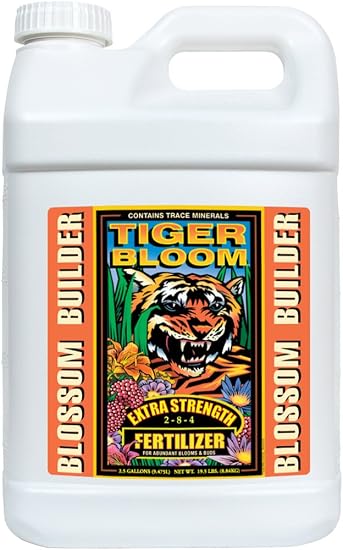
Prices across these 3 run from $158.20 to $239.89; each one has a full review here.


What are the essential parts of a hydroponic nutrient?
The effectiveness of a hydroponic nutrient depends on the balance of specific chemical components that dictate how a plant develops. Each component changes the result of the growth cycle in a different way.
The NPK Ratio
The NPK ratio is the primary metric for determining the balance of Nitrogen (N), Phosphorus (P), and Potassium (K) in any formula. Nitrogen drives leafy green growth, Phosphorus supports root development and flower production, and Potassium regulates water movement and overall plant health. A grower must adjust these ratios depending on whether the plant is in a vegetative stage or a fruiting stage.
Micronutrients and Trace Elements
Micronutrients include elements like iron, calcium, magnesium, and sulfur. While plants need these in much smaller quantities than NPK, their absence causes specific deformities. For example, a lack of calcium can cause blossom end rot in tomatoes, while insufficient iron leads to yellowing leaves.
pH and Electrical Conductivity (EC)
pH measures the acidity or alkalinity of the water, while EC measures the concentration of dissolved salts. These are the two most important monitoring standards in hydroponics. If the pH is too high or too low, it causes nutrient lockout, where the minerals are present in the water but the plant cannot chemically absorb them. High EC levels can lead to osmotic shock, where the salt concentration is so high it pulls water out of the roots instead of letting the plant drink.
What does using a nutrient solution change in practice?
Using a hydroponic nutrient changes the speed and predictability of plant growth compared to traditional gardening. In a controlled nutrient environment, you can accelerate growth cycles because the plant does not have to “search” for food through soil. This results in faster turnover times and larger yields in smaller spaces.
Faster growth cycles
Because the nutrients are delivered directly to the roots in a highly available form, plants often grow 30% to 50% faster than those in soil. This is most noticeable in the vegetative stage, where the plant builds the biomass needed to support heavy fruit later.
Precision of results
A hydroponic nutrient allows for precise control over the plant’s diet. If a plant shows signs of a specific deficiency, a grower can add a targeted supplement to the reservoir. In soil, correcting a deficiency is much harder because the minerals may be bound to soil particles and unavailable to the plant.
Maintenance requirements
While the growth is faster, the use of hydroponic nutrients requires more frequent monitoring. Unlike soil, which provides a buffer, a hydroponic system can become unbalanced in hours. This means the grower spends more time checking pH and EC levels to prevent mineral buildup or toxicities.
Who needs hydroponic nutrients and who does not?
Hydroponic nutrients are required by anyone growing plants in a system that does not use soil as the primary growing medium. This includes various setups where water is the primary delivery vehicle.
Hydroponic and Aeroponic systems
You need a hydroponic nutrient if you use Deep Water Culture (DWC), Nutrient Film Technique (NFT), or Ebb and Flow systems. These systems rely entirely on the mineral content of the water to sustain the plant.
Aquaponic setups
Aquaponics users often use a combination of fish waste and supplemental nutrients. If the fish waste does not provide a complete profile of minerals, additional hydroponic nutrients are required to fill the gaps.
When soil is sufficient
You do not need a hydroponic nutrient if you are growing in high-quality, nutrient-rich organic soil or compost. In these cases, the soil provides the necessary minerals, and adding a concentrated hydroponic nutrient could lead to over-fertilization and root burn.
The other Hydroponic Nutrient guides we have published
- Best Hydroponic Fertilizer for Flowering Plants
- Bloom Stimulating Hydroponic Nutrients Compared
- Choosing the Best Hydroponic Nutrients for Fruit and Flower Plants
- The Hydroponic Nutrients That Work Best for Entry Level Growers Under $200
- Which Hydroponic Fertilizer Is Best for Large Scale Setups?
- Best Hydroponic Nutrients for Indoor Plants