
A solar panel is a device that captures sunlight and converts it into electricity. It functions as a primary energy generator, turning the photons from the sun into a flow of electrons that can power lights, appliances, and electronics.
The problem solar panels solve is the reliance on a centralized power grid or finite fuel sources. By generating power on-site, these panels reduce the amount of electricity a building must pull from external sources. This transition helps lower long-term energy costs and provides a way to generate power in locations where traditional grid infrastructure is unavailable or unreliable.
How do solar panels work?
Solar panels work through a process called the photovoltaic effect, which occurs in three main stages as sunlight hits the surface of the panel.
- Photons from sunlight strike the solar cells, which are made of semiconductor materials like silicon.
- The energy from these photons knocks electrons loose from their atoms, creating a flow of electricity.
- Internal electrical fields within the cell direct these loose electrons into a path, creating a direct current (DC) of electricity.
- An inverter then takes this DC electricity and converts it into alternating current (AC), which is the standard form used by household outlets and appliances.
Solar Panels we have reviewed in detail
Prices across these 3 run from $109.99 to $228.99; each one has a full review here.
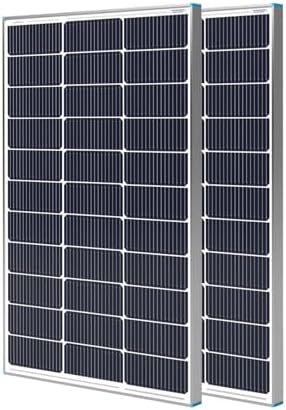

Renogy 200 Watts Monocrystalline RV Solar Panel Kit
$228.99 price checked August 2026
Read our full Renogy 200 Watts Monocrystalline RV Solar Panel Kit review

Jackery SolarSaga 100W Portable Solar Panel
$109.99 price checked August 2026
Read our full Jackery SolarSaga 100W review
To better understand technical specifications, you can learn solar panel terms in plain English to simplify your purchasing decisions.
What are the parts of a solar panel system that matter?
Several technical components determine how much energy a solar panel system produces and how efficiently it operates.
Photovoltaic cells
Photovoltaic cells are the individual rectangular units that make up the larger panel. The material used in these cells determines the efficiency of the conversion; for example, monocrystalline cells use a single crystal structure to capture more light than polycrystalline cells, which use multiple crystals.
Inverters
The inverter is the component that changes the type of electricity. Because solar panels produce DC power but homes run on AC power, the inverter is the bridge that makes the energy usable for standard household electronics.
Mounting systems
Mounting systems are the physical structures that hold the panels in place. The angle and orientation of these mounts determine how much direct sunlight the panels receive throughout the day, which directly impacts the total energy yield.
Wiring and protection
Wiring and protection include the cables and circuit breakers that safely move electricity from the roof to the inverter and the main electrical panel. These components ensure that the electricity flows steadily and that the system shuts down safely during a surge or a fault.
What changes in practice when you have solar panels?
Having solar panels changes how a building consumes and manages its energy supply in several concrete ways.
Energy costs
The most immediate change is a reduction in the amount of electricity purchased from a utility provider. Depending on the size of the system, a building may see its monthly bill drop significantly or, in some cases, reach a point where the solar production covers the majority of the daytime load.
Grid interaction
In many regions, solar panels change how a building interacts with the local grid. If the system produces more power than the building uses at a specific moment, that excess energy may flow back into the grid or be stored in a battery. Conversely, when the sun is not shining, the building continues to draw from the grid as usual.
Limitations of solar production
Solar production does not provide a constant stream of power regardless of conditions. Energy output drops during heavy cloud cover, during nighttime hours, or when the panels are shaded by nearby trees or structures. Because of these variables, a solar panel system does not provide “free” power at all times; it provides a variable supply that fluctuates based on the weather and the position of the sun.
Who needs a solar panel system?
A solar panel system is suitable for specific situations based on property ownership and energy usage patterns.
Ideal users
A solar panel system is suitable for building owners who have high electricity consumption and access to a roof or ground space with significant, unobstructed sun exposure. It is also a fit for those looking to insulate themselves against rising utility rates over a long period.
Non-ideal users
A solar panel system is not suitable for those who rent their property without permission to install hardware, or for those whose locations are consistently shaded by tall buildings or dense foliage. It is also not a primary solution for high-demand industrial processes that require a constant, massive load of electricity that exceeds the capacity of a standard residential installation.
Before purchasing, a buyer must confirm their roof’s structural integrity and local zoning regulations. Because solar installations involve high-voltage electricity and structural mounting, a qualified installer must perform the work to ensure the system meets local safety codes and engineering standards.