
Eco-friendly garden products are gardening supplies and tools designed to minimize environmental impact while supporting plant health. These products replace conventional synthetic materials and chemicals with biodegradable, recycled, or sustainably sourced alternatives to create a garden that functions as a self-sustaining ecosystem.
The primary problem these products solve is the accumulation of non-biodegradable waste and chemical runoff in local soil and waterways. Standard garden supplies often rely on petroleum-based plastics that break down into microplastics or synthetic fertilizers that can lead to nitrogen runoff. Eco-friendly alternatives aim to eliminate these pollutants, ensuring that the garden contributes to local biodiversity rather than contributing to landfill waste or soil degradation.
How do eco-friendly garden products work?
Eco-friendly garden products work by utilizing natural cycles and sustainable material science to achieve the same functional results as traditional products. The mechanism follows a specific progression from sourcing to end-of-life:
- Sourcing: Materials are selected based on their origin, such as FSC-certified wood, natural fibers, or recycled polymers.
- Application: The product performs its primary function, such as providing structural support or moisture retention, using physical properties rather than chemical additives.
- Degradation: Once the product reaches the end of its useful life, it is designed to break down into organic matter or be fully recycled.
- Soil Integration: Natural components, like untreated wood or organic mulch, eventually integrate into the soil, improving its structure and nutrient content.
Eco Friendly Gardens we have reviewed in detail
Prices across these 3 run from $15.99 to $64.95; each one has a full review here.
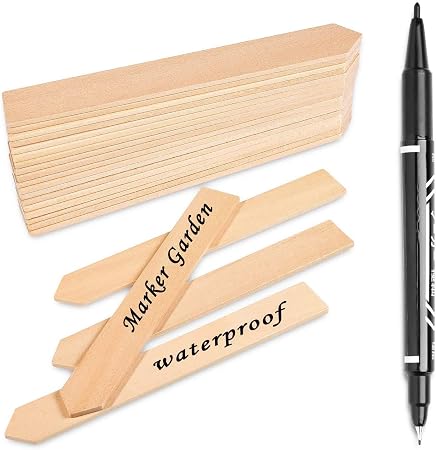


4-Inch Biodegradable Stakes
$64.95 price checked August 2026
Read our full Biodegradable Stakes review
You can also find top-rated eco-friendly markers for herbs to keep your culinary garden organized.
What parts and standards matter in eco-friendly gardening?
Several specific standards and material types determine the effectiveness and sustainability of a garden product.
FSC Certification
FSC (Forest Stewardship Council) Certification is a global standard that ensures wood and bamboo products are harvested from responsibly managed forests. For a buyer, this means the timber used in garden beds or stakes is legally sourced and supports forest regeneration rather than contributing to deforestation.
Biodegradability Rate
The biodegradability rate refers to how quickly a material breaks down in a specific environment, such as a backyard compost pile or industrial facility. A high-quality eco-friendly product will have a clear path to decomposition, ensuring it does not remain in the garden as litter for years.
FSC-Certified Hardwood
FSC-certified hardwood serves as a reference tier for durability. While softwoods may rot quickly, certain hardwoods provide the structural integrity needed for heavy-duty garden beds while still remaining fully biodegradable over several years of use.
UV Degradation Resistance
UV degradation is a failure mode where plastic-based “eco” labels become brittle and shatter when exposed to sunlight. When evaluating recycled plastics, a buyer should look for materials treated to resist UV rays, as this extends the product’s life and prevents the creation of microplastic debris.
How does using eco-friendly garden products change things in practice?
Switching to eco-friendly garden products changes the long-term maintenance and waste profile of a garden. In practical terms, a gardener using biodegradable stakes or FSC-certified wood will eventually see those items transition into the soil, removing the need to haul away old, rotting wood or replace cracked plastic every few seasons.
The difference shows up most clearly in soil health and waste management. Because these products avoid synthetic coatings, the soil remains “clean,” making it easier to grow organic produce. However, the difference is less noticeable in the immediate visual appearance of the garden; a wooden garden bed looks like a garden bed regardless of its certification. The change is a long-term environmental benefit rather than a short-term aesthetic shift.
Maintenance and Longevity
A practical difference is the lifecycle of the material. A plastic planter may last a decade but eventually crack and become waste. A high-quality eco-friendly timber bed may have a shorter functional lifespan of 5 to 10 years but will return to the earth as compost at the end of its life, rather than entering a landfill.
Who needs eco-friendly garden products?
The need for eco-friendly garden products is determined by the buyer’s environmental goals and the specific requirements of their gardening space.
Organic and Permaculture Gardeners
Individuals who practice organic gardening or permaculture need these products because their goal is to create a closed-loop system. For these users, avoiding synthetic materials is a requirement to maintain the integrity of their soil and food sources.
Sustainability-focused Homeowners
Homeowners who prioritize a low carbon footprint need eco-friendly products to ensure their hobby does not contribute to plastic pollution. If a buyer wants to ensure that their garden waste is compostable, they must select products with a known biodegradability rate.
Who does not need eco-friendly products?
A buyer does not need eco-friendly products if they are looking for the lowest possible upfront cost or if they require materials with extreme durability that must survive harsh conditions for decades without degradation. In cases where a product must withstand heavy machinery or extreme industrial use, standard industrial plastics or treated metals may be more appropriate than biodegradable alternatives.
The other Eco Friendly Garden guides we have published
- Best Eco Friendly Garden Markers for Herbs
- Eco Friendly Garden Supplies for Vegetable Crops Compared
- Choosing the Best Eco Friendly Garden Stakes for Tomatoes
- The Biodegradable Garden Stakes That Work Best for Weed Fabric
- Which Eco Friendly Garden Planting Grow Bags Are Best?
- Best Eco Friendly Garden Supplies for Small Spaces