
In the eco-friendly garden market, many terms serve as load-bearing specifications that dictate how a product performs in the soil or under the sun. You should prioritize technical standards like micron counts, FSC certifications, and specific material types (such as 18/10 stainless steel). Conversely, marketing vocabulary like “earth-friendly,” “green-tech,” or “nature-inspired” carries no weight; these are subjective claims that do not define the physical durability or environmental impact of the item. Focus on the data points that define the material’s lifecycle and its physical resistance to the elements.
Eco-Friendly Garden Material Standards
- FSC Certification – This confirms that wood or bamboo products are sourced from forests managed to meet international sustainability and legality standards. A certified label ensures the material is not contributing to illegal deforestation.
- Biodegradability Rate – This measures how quickly a product breaks down in a specific environment, such as a backyard compost pile or an industrial facility. A faster rate is better for items intended to be buried, while a slower rate is better for tools meant to last multiple seasons.
- 18/10 Stainless Steel – This refers to a steel grade containing 18% chromium and 10% nickel. This specific ratio provides high corrosion resistance, which is necessary for tools exposed to constant moisture and acidic soil.
- GOTS (Global Organic Textile Standard) – This is the leading processing standard for organic fibers. It ensures that textiles, such as garden bags, are produced without prohibited chemicals and meet specific ecological criteria.
- Recycled Content Percentage – This indicates the portion of the product made from post-consumer or post-industrial waste. A higher percentage indicates a lower demand for virgin raw materials.
- UV Degradation Resistance – This measures a material’s ability to withstand prolonged exposure to sunlight without becoming brittle. Higher resistance is better for items left in open garden beds, as it prevents the plastic or fabric from shattering.
Where these choices show up in our reviews
These 3 have their own full review on this site, and run from $10.99 to $64.95.

4-Inch Biodegradable Stakes
$64.95 price checked August 2026
Read our full Biodegradable Stakes review
If you need identification for your containers, compare the best eco friendly garden markers for potted plants to find the right fit.
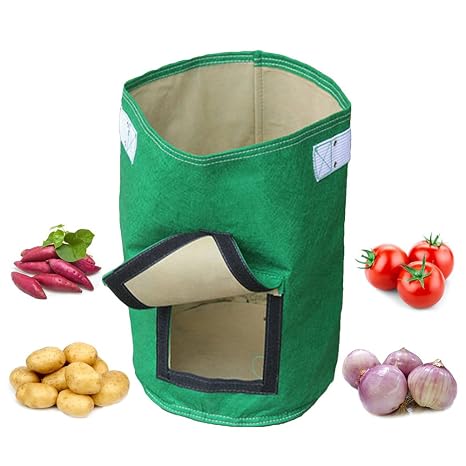
Aquarius CiCI Eco-Friendly Garden Planting Grow Bags
$10.99 price checked August 2026
Read our full CiCI Grow Bags review
To stay on a budget, browse the best eco friendly garden supplies under $50 for high-quality, affordable essentials.
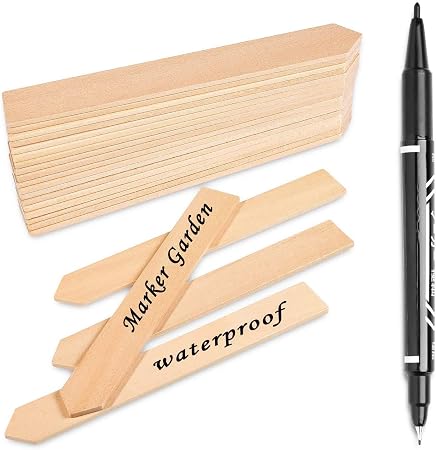
Whaline Wooden Plant Labels with Marker Pen
$0 price checked August 2026
Read our full Wooden Plant Labels review
You can learn more about different categories by exploring the various types of eco-friendly garden products available today.
Eco-Friendly Garden Durability and Capacity
- Micron Count – In fabric grow bags or liners, this measures the thickness of the material. A higher micron count indicates a thicker, more durable fabric that prevents roots from tearing through the side of the bag.
- Moisture Absorption Rate – This determines how much water a porous material (like untreated wood or bamboo) pulls into its structure. A lower absorption rate is often better for stakes to prevent warping, while a higher rate may be desired for certain mulch types.
- Load-Bearing Capacity – This is the maximum weight a stake, trellis, or bag can support before structural failure. You should choose a value that exceeds the expected weight of your heaviest fruit or plant load.
- Soil Displacement Resistance – This refers to a stake’s ability to stay upright without moving as the soil settles or shifts. A larger surface area or deeper insertion depth improves this metric, preventing tipping.
- Tensile Strength – This measures the maximum stress a fiber or material can withstand while being pulled before it breaks. Higher tensile strength is better for ropes, ties, and heavy-duty garden netting.
- Permeability – This measures how much air and water can pass through a material, such as a garden fabric. For root health, a specific range of permeability is better than a completely sealed or fully open surface.
Eco-Friendly Garden Terminology Confusions
Biodegradable vs. Compostable
Biodegradable means a material will eventually break down into natural elements, but it does not specify a timeframe or environment. Compostable means the material is designed to break down into nutrient-rich compost within a specific timeframe under specific conditions, such as a backyard pile or an industrial heat treatment.
Recycled vs. Virgin Materials
Recycled materials are derived from waste products that have already been used, such as recycled HDPE plastic. Virgin materials are raw resources extracted directly from the earth, such as new timber or newly processed petroleum. Recycled materials typically have a lower environmental footprint during production.
Organic vs. Sustainable
Organic refers specifically to the absence of synthetic pesticides and fertilizers during the growth of the raw material, such as organic cotton or bamboo. Sustainable refers to a broader lifecycle, including fair labor practices, carbon footprint reduction, and long-term environmental health, which may include non-organic materials that are managed responsibly.
Hardwood vs. Softwood
Hardwood refers to trees that typically produce dense wood and have broad leaves, such as oak or maple. Softwood comes from evergreens like pine or cedar. In gardening, hardwoods are generally more resistant to rot and impact, while softwoods are often used for lighter structures or decorative elements.
Browse our other Eco Friendly Garden pages
- Best Eco Friendly Garden Markers for Herbs
- Eco Friendly Garden Supplies for Vegetable Crops Compared
- Choosing the Best Eco Friendly Garden Stakes for Tomatoes
- The Biodegradable Garden Stakes That Work Best for Weed Fabric
- Which Eco Friendly Garden Planting Grow Bags Are Best?
- Best Eco Friendly Garden Supplies for Small Spaces