
Hydroponic nutrients are categorized primarily by their physical state and chemical complexity rather than brand names. The decision for a grower depends on how much control you want over the nutrient concentration and how much manual labor you are willing to perform to maintain the solution’s balance. These systems generally split into three categories: liquid concentrates, dry mineral salts, and complete liquid solutions.
What are Liquid Nutrient Concentrates?
Liquid nutrient concentrates are highly concentrated formulas that require the user to mix multiple components—typically a “Grow” and a “Bloom” formula—into a reservoir. These are designed for growers who want high precision over their nutrient delivery. By mixing separate components, you can adjust the ratio of Nitrogen to Phosphorus or Potassium based on the specific growth stage of the plant.
This type of nutrient is ideal for those who prefer a predictable chemical balance and have the time to perform regular reservoir changes. Because you are mixing concentrated liquids, the risk of mineral buildup is lower than with dry salts, but the risk of nutrient lockout remains high if the pH is not monitored closely. These products sit in a mid-range price point, offering a balance between the convenience of liquids and the precision of dry minerals.
Where these choices show up in our reviews
Prices across these 3 run from $158.20 to $411.12; each one has a full review here.
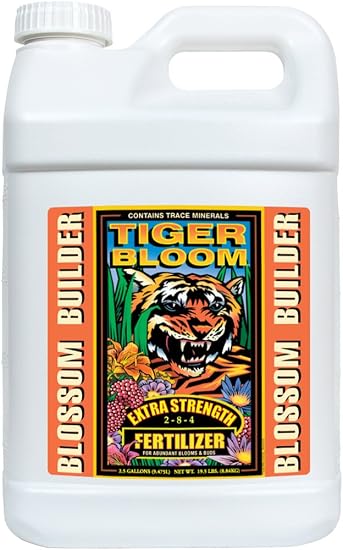
FoxFarm FX14021 Hydroponic Fertilizer
$158.20 price checked August 2026
If you are scaling your operations, compare the best hydroponic fertilizer for large scale setups to find the right solution.

GROTEK GTMB6050 Monster Bloom Hydroponic Nutrients
$239.89 price checked August 2026
Read our full Monster Bloom Nutrients review
Beginners should start by learning how hydroponic nutrients work and what they are before purchasing specific products.

What are Dry Mineral Salts?
Dry mineral salts are granular or powdered nutrients that the user must dissolve into water to create a feeding solution. These are the most chemically pure options available, providing the highest level of control over the Electrical Conductivity (EC) and specific mineral content of the water. Because they are dry, they are also easier to store and have a longer shelf life than liquid products.
Dry salts are best for large-scale operations or advanced growers who use a “recipe” to build their own nutrients from scratch. The main advantage is the ability to customize the NPK ratio to exact specifications, but the trade-off is a higher risk of mineral buildup if the flushing cycle is not managed correctly. These are often the most cost-effective options per gallon of solution, though the initial cost of the minerals can be higher than a single bottle of liquid.
You can decode common hydroponic nutrient terms and specs to better understand the labels on your bottles.
What are Complete Liquid Solutions?
Complete liquid solutions are “all-in-one” products where the nutrients are already pre-mixed into a single liquid formula. These are designed for simplicity and speed, allowing the user to pour the solution into a reservoir and begin the growing cycle immediately. They remove the need to balance multiple bottles, making them the most accessible entry point for new growers.
These solutions are best for those who want to minimize the complexity of the chemistry and focus on the biological side of the plant. The primary advantage is the ease of use and reduced risk of mixing errors, while the compromise is a lack of flexibility; you cannot easily adjust the NPK ratio once the solution is in the tank. These typically sit at a higher price point per gallon compared to dry salts or concentrated liquids because of the manufacturing and shipping costs of moving heavy water.
Hydroponic Nutrient Type Comparison
| Nutrient Type | Best-Fit Buyer | Main Advantage | Main Compromise |
|---|---|---|---|
| Liquid Concentrates | Precision-focused growers | Adjustable NPK ratios | Requires mixing multiple parts |
| Dry Mineral Salts | Large-scale/Advanced users | Maximum chemical control | Risk of mineral buildup |
| Complete Liquid Solutions | Beginners/Low-maintenance | Ease of use and speed | Limited customization |
Which Hydroponic Nutrient Type Should You Choose?
To decide which type fits your needs, check your current setup against these three conditions. If you have a high-precision monitoring system and want to create a custom mineral profile, dry mineral salts are the correct choice for your operation.
If you need to balance specific nutrients based on the growth stage but prefer a liquid format for easier measuring, liquid concentrates provide the necessary flexibility. These are best if you are comfortable managing a two-part or three-part mixing system.
If you want to minimize the time spent on chemistry and simply want a reliable, ready-to-use solution, a complete liquid solution is the most practical option. This choice is best if you prefer a “plug and play” experience where the NPK balance is already optimized for you.
Browse our other Hydroponic Nutrient pages
- Which Hydroponic Fertilizer Is Best for Large Scale Setups?
- Best Hydroponic Nutrients for Indoor Plants
- Silicate Additives for Hydroponic Nutrients Compared
- Choosing the Best Hydroponic Nutrients Under $300
- Best Hydroponic Fertilizer for Flowering Plants
- Bloom Stimulating Hydroponic Nutrients Compared