
Monocrystalline solar panels are primarily differentiated by cell architecture and manufacturing processes rather than aesthetic differences. While all monocrystalline panels use single-crystal silicon, the way those crystals are structured—ranging from standard multi-busbar designs to high-efficiency N-Type TOPCon cells—determines the panel’s power density, degradation rate, and performance in low-light conditions. These technical distinctions dictate whether a system requires a large physical footprint or can achieve high output in a compact space.
Standard Monocrystalline Solar Panels
Standard monocrystalline solar panels use a multi-busbar (MBB) design where several thin silver wires run across the surface of the silicon cell to collect electricity. This design is the baseline for most residential and commercial installations because it balances manufacturing costs with reliable power output. You should choose this type if your project has ample roof space and you want to minimize the upfront cost per watt of the hardware.
These panels provide a reliable power output but have lower efficiency compared to high-end alternatives. They are typically the most affordable monocrystalline option, making them the standard choice for large-scale ground mounts or large warehouse roofs where maximizing the total area of the array is more important than maximizing the power of each individual panel. They generally sit at the lower end of the monocrystalline price spectrum.
Where these choices show up in our reviews
Prices across these 3 run from $186 to $209.99; each one has a full review here.

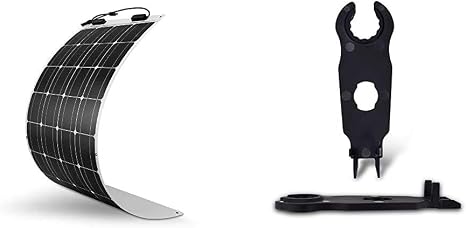
Renogy 100 Watt 12 Volt Flexible Solar Panel
$186.98 price checked August 2026
Read our full Renogy 100 Watt 12 Volt Flexible Solar Panel review
Ensure your equipment meets industry requirements by reviewing the safety standards and certifications for these panels.

N-Type TOPCon Monocrystalline Solar Panels
N-Type TOPCon monocrystalline solar panels use a specific doping process that makes the silicon less susceptible to Light-Induced Degradation (LID) compared to standard P-type cells. This technology allows the panels to maintain higher efficiency over a longer period, often exceeding 30 years of operation with minimal power loss. These are ideal for homeowners who want to maximize their long-term energy yield or for installations in regions with high temperatures.
N-Type TOPCon panels offer a significant advantage in low-light performance and high-temperature stability. Because the cells are more efficient, you can generate more power from a smaller surface area, which is a critical factor if your available roof space is limited. These panels sit in a higher price bracket than standard MBB models due to the advanced manufacturing required to create the TOPCon layer.
Bifacial Monocrystalline Solar Panels
Bifacial monocrystalline solar panels are designed to capture sunlight from both the front and the rear sides of the module. This is achieved by using a clear backsheet or a dual-glass construction that allows light reflected from the ground or nearby surfaces to enter the cells. This type is best suited for ground-mounted systems or carports where the panels can be tilted to allow light to reach the underside.
Bifacial modules increase the total energy yield by capturing albedo—light reflected off surfaces like white gravel, snow, or light-colored roofing. While they provide a higher energy output per square meter than monofacial panels, they require specific mounting configurations to be effective. These panels typically carry a higher price point than standard monofacial panels due to the specialized glass and framing requirements.
Comparison of Monocrystalline Solar Panel Types
| Type | Best-Fit Buyer | Main Advantage | Main Compromise |
|---|---|---|---|
| Standard Monocrystalline | Large-scale ground mounts | Lower cost per watt | Lower power density |
| N-Type TOPCon | Limited roof space / High heat | High efficiency and durability | Higher initial cost |
| Bifacial Monocrystalline | Ground mounts / Carports | Dual-side energy capture | Complex mounting needs |
How to Choose the Right Monocrystalline Type
To determine which monocrystalline solar panel type fits your project, you must evaluate your available installation area and your long-term power goals. If you have a vast area of land for a ground-mount system and are looking for the lowest cost per watt, standard monocrystalline panels are the most practical choice.
If you are installing on a residential roof with limited space, you should prioritize N-Type TOPCon panels. These provide the higher power density needed to maximize the output of every square inch of your roof. You should also consider the local climate; if your area experiences extreme heat, the superior temperature coefficients of N-Type cells will prevent significant power drops during the hottest parts of the day.
For specialized installations like carports or ground systems over reflective surfaces, bifacial monocrystalline panels are the correct choice. You should confirm that your mounting structure allows for a gap between the panels and the surface below to ensure the rear side can capture reflected light. Because these systems involve specific engineering requirements, you should consult with a qualified installer to ensure the mounting hardware supports the weight of a dual-glass bifacial module.
Browse our other Monocrystalline Solar Panel pages
- Monocrystalline Solar Panels for 12V Battery Systems Compared
- Choosing the Best Bifacial Monocrystalline Solar Panel for Maximum Yield
- The Slim Monocrystalline Solar Panels That Work Best for Trailers
- Which Monocrystalline Solar Panel Is Best for Home and Farm Use?
- Choosing the Best Monocrystalline Solar Panel for RV and Boat
- The Monocrystalline Solar Panels That Work Best for Camping