
A tankless water heater is an on-demand system that heats water instantly as it flows through the unit rather than storing heated water in a large tank. When you turn on a hot water tap, the system activates to heat the specific amount of water you need at that exact moment. Because the water is heated on demand, it remains at a consistent temperature regardless of how long the faucet has been running.
This technology solves the problem of “run-out” time associated with traditional storage tanks. In a standard tank system, the volume of hot water is finite; once the tank is depleted, you must wait for the unit to cycle and reheat the water. A tankless system removes this limitation, providing a continuous supply of hot water for tasks like long showers or filling large tubs without the risk of the temperature dropping mid-use.
How does a tankless water heater work?
The mechanism of a tankless water heater involves a rapid heating cycle that occurs in four distinct stages as water moves through the device:
- Water enters the unit through the cold water inlet and travels into a series of internal heat exchangers.
- Sensors detect the flow of water and trigger the heating source, which is typically a gas burner or an electrical heating element.
- The heat source transfers energy to the heat exchanger pipes, raising the temperature of the water as it moves through the coils.
- The heated water exits the unit through the hot water outlet, ready for immediate use at the fixture.
Tankless Water Heater Installations we have reviewed in detail
Prices across these 3 run from $169.99 to $1280.79; each one has a full review here.

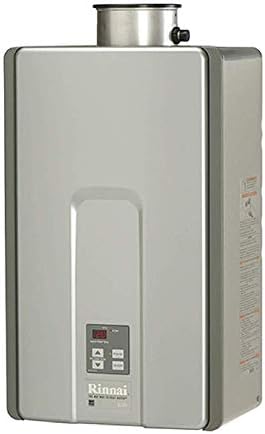
Rinnai RLX94iN Tankless Hot Water Heater
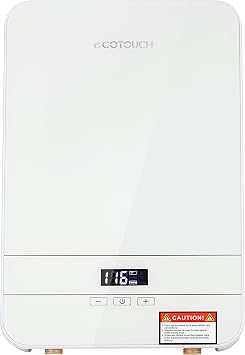
For smaller spaces, you might consider the best electric point of use water heater for a single sink or bathroom.
$1280.79 price checked August 2026
Components and stages that matter to a buyer
Understanding the specific components of a tankless water heater helps determine how the unit will perform in your specific home environment.
If you are confused by technical jargon, see how tankless water heater terms and specs are explained in simple language.
The Heat Exchanger
The heat exchanger is the core component where the actual heat transfer occurs. The material of this component—often copper or stainless steel—determines the unit’s durability and how efficiently it can move heat into the water stream. A high-quality heat exchanger ensures that the unit can handle high flow rates without losing efficiency.
Flow Rate and GPM
Flow rate is measured in gallons per minute (GPM) and dictates how much water the unit can heat simultaneously. If you need to run a shower and a dishwasher at the same time, you must ensure the unit’s GPM rating can support both. A common mistake is choosing a unit with a flow rate that is too low for the number of fixtures in the home, which results in a drop in temperature when multiple taps are open.
BTU Rating and Heating Capacity
The British Thermal Unit (BTU) rating measures the heating power of the unit. This value determines how much the temperature can rise over a specific distance of pipe. In very cold climates, a higher BTU rating is necessary to compensate for the energy lost as water travels from the unit to the faucet. If the BTU rating is insufficient for the climate, the water may arrive at the showerhead lukewarm.
Venting Requirements
Venting refers to how the unit exhausts combustion byproducts. Depending on whether the unit is a condensing or non-condensing model, the venting requirements change significantly. Condensing units often require specific piping to handle acidic condensate, while non-condensing units require standard venting paths to move exhaust gases safely outside the home.
How does a tankless water heater change daily use?
Having a tankless water heater changes the experience of using hot water by providing a consistent temperature and an endless supply. In a standard home, this means you never have to worry about the water turning cold during a long shower. Because the unit only works when you need it, it also reduces the amount of “standby” heat lost by a large tank sitting in a garage or closet.
The difference is most noticeable in households with high hot water demand. For example, if you have a large family where multiple people are bathing at different times, a tankless system ensures that the last person in the shower gets the same temperature as the first. However, the difference is less noticeable in a small apartment where only one person uses hot water at a time; in that scenario, the primary benefit is the space saved by not having a large tank installed.
Who needs a tankless water heater?
A tankless water heater is suitable for households that prioritize space efficiency and demand a continuous supply of hot water. It is an ideal choice for homes with limited storage space, such as apartments or small houses, where a traditional tank would be difficult to house.
It is also the preferred choice for large households or homes with high-demand fixtures, such as large soaking tubs or multiple simultaneous showers. Conversely, a tankless unit may not be necessary for a single-person household with low hot water usage, where the lower upfront cost of a traditional storage tank might be more practical. Before purchasing, you must confirm your local plumbing codes and ensure your gas line or electrical service can support the specific BTU or amperage requirements of the unit.
The other Tankless Water Heater guides we have published
- Indoor Installation Tankless Hot Water Heaters Compared
- Choosing the Best Natural Gas Tankless Hot Water Heater
- The Propane Tankless Hot Water Heaters That Work Best for Home Use
- Which Outdoor Tankless Hot Water Heater Is Best?
- Best Condensing Tankless Hot Water Heaters
- Electric Point of Use Water Heaters Compared