
There are three primary types of tankless water heater installations defined by their fuel source and venting requirements. The fundamental distinction between these systems lies in how the unit generates heat and how it exhausts combustion byproducts. This choice dictates the complexity of the plumbing, the necessity of specific gas lines, and the physical space required for the installation. Selecting the correct type depends on your existing utility infrastructure and your local building codes.
Natural Gas Tankless Water Heater Installation
Natural gas tankless water heater installations utilize a standard natural gas line to power the unit’s burner system. This type is most common in residential areas where municipal gas lines are already present. Because natural gas has a specific BTU output, these units are designed to reach high flow rates and temperatures quickly by burning the gas on demand.
You should prioritize this type if your home already has a gas connection, as it avoids the need to convert fuel sources. These systems are generally more efficient than traditional tank heaters because they only heat water as it flows through the heat exchanger. However, they require a dedicated gas line and a specific venting setup to move exhaust gases outside the home safely.
Natural gas units typically sit in a mid-to-high price band relative to electric options, primarily due to the complexity of the gas components and heat exchanger design. They provide a consistent supply of hot water without the need for a large storage tank, making them ideal for homes with high-demand fixtures like large showers or soaking tubs.
Where these choices show up in our reviews
Prices across these 3 run from $169.99 to $1280.79; each one has a full review here.
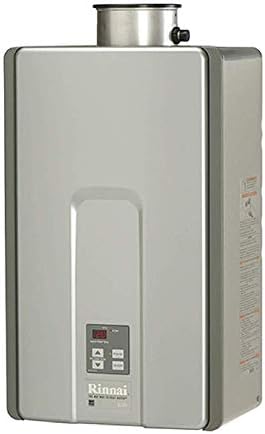
Rinnai RLX94iN Tankless Hot Water Heater
$1280.79 price checked August 2026
Read our full Rinnai RLX94iN review
You should review safety standards and certifications to ensure your unit meets all necessary industry regulations.
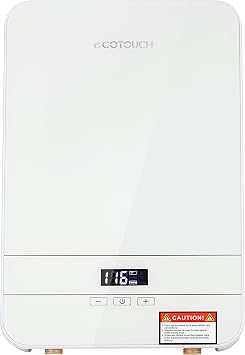

Propane Tankless Water Heater Installation
Propane tankless water heater installations use liquid propane (LP) as the primary fuel source, which is common in rural areas or properties without access to a municipal gas grid. These systems use a different burner configuration and internal components to accommodate the different caloric value of propane compared to natural gas.
Consider comparing different fuel types to determine which energy source fits your home’s utility setup best.
You should consider a propane system if you rely on a large propane tank for heating or cooking. Because propane is more energy-dense than natural gas, the internal components must be calibrated specifically for LP. These units offer the same “on-demand” benefits as natural gas models but are specifically engineered for the chemical properties of propane.
The cost for propane units is often comparable to natural gas models, though the cost of the fuel itself fluctuates based on local delivery. These systems are the standard choice for off-grid living or rural properties where infrastructure for natural gas is unavailable.
Electric Tankless Water Heater Installation
Electric tankless water heater installations use high-powered electrical heating elements to heat water as it passes through the unit. Unlike gas models, these do not require a burner or a venting system for combustion byproducts, making them the simplest to install in terms of plumbing and exhaust.
You should choose an electric system if you have a high-amperage electrical capacity and do not wish to deal with gas lines or venting. Because electricity is used to heat the water directly, these units are compact and can often be mounted in small spaces like under-sink cabinets or in closets. They are ideal for low-demand applications like handwashing or small bathrooms.
Electric units typically sit in the lowest price band relative to gas options. However, they require significant electrical infrastructure; if your home’s circuit breaker panel cannot support the high amperage required to heat water quickly, you may need a professional electrical upgrade before the unit can be installed.
Comparison of Tankless Water Heater Types
| Type | Best-Fit Buyer | Main Advantage | Main Compromise |
|---|---|---|---|
| Natural Gas | Homes with existing gas lines | High flow and temperature output | Requires gas line and venting |
| Propane | Rural properties with propane tanks | Works without municipal gas | Fuel source is subject to delivery |
| Electric | Small spaces with high-amp power | No venting or gas lines needed | Limited flow rate at high temps |
How to Determine Which Installation Type You Need
To determine which tankless water heater installation fits your needs, you must first check your available utilities. If you have a gas meter on your property, you can choose between natural gas and propane. If you only have electricity, you must look into electric options.
Next, evaluate your household’s hot water demand. If you need to run a high-flow shower while the dishwasher is running, a gas-powered system is often required to provide the necessary BTU output. Electric systems often struggle to maintain high temperatures when multiple fixtures are active simultaneously.
Finally, check your space and local regulations. Gas units require specific clearances for venting and may require a permit from your local building department. Electric units are more compact but may require a dedicated 200-amp electrical service or a sub-panel if the current capacity is insufficient. You must confirm your home’s electrical and gas capacities with a qualified professional before selecting a type.
Browse our other Tankless Water Heater pages
- Best Condensing Tankless Hot Water Heaters
- Electric Point of Use Water Heaters Compared
- Choosing the Best Tankless Hot Water Heater for High Flow
- The Tankless Hot Water Heaters That Work Best for Small Spaces
- Indoor Installation Tankless Hot Water Heaters Compared
- Choosing the Best Natural Gas Tankless Hot Water Heater